

HTC Vive
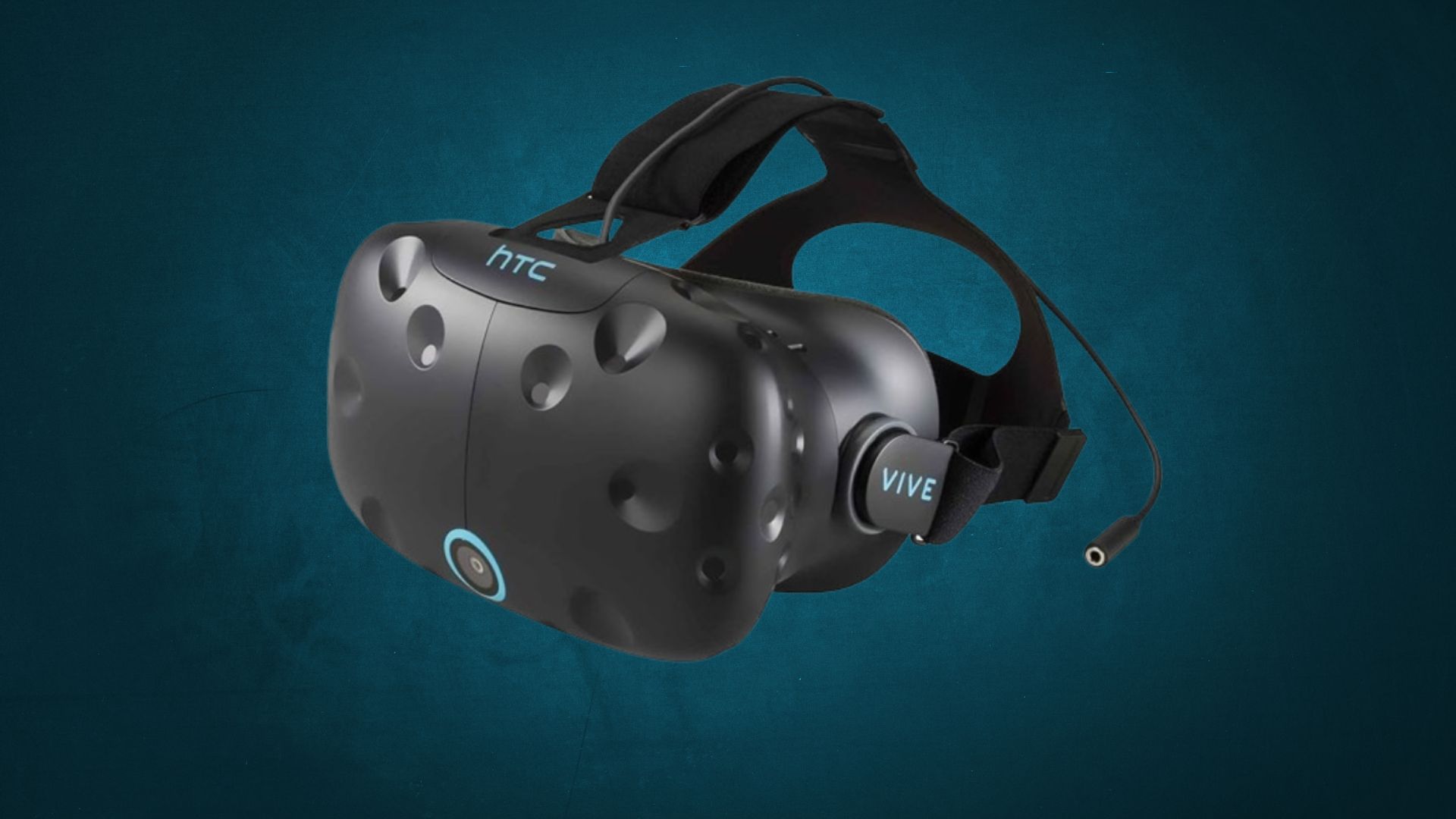
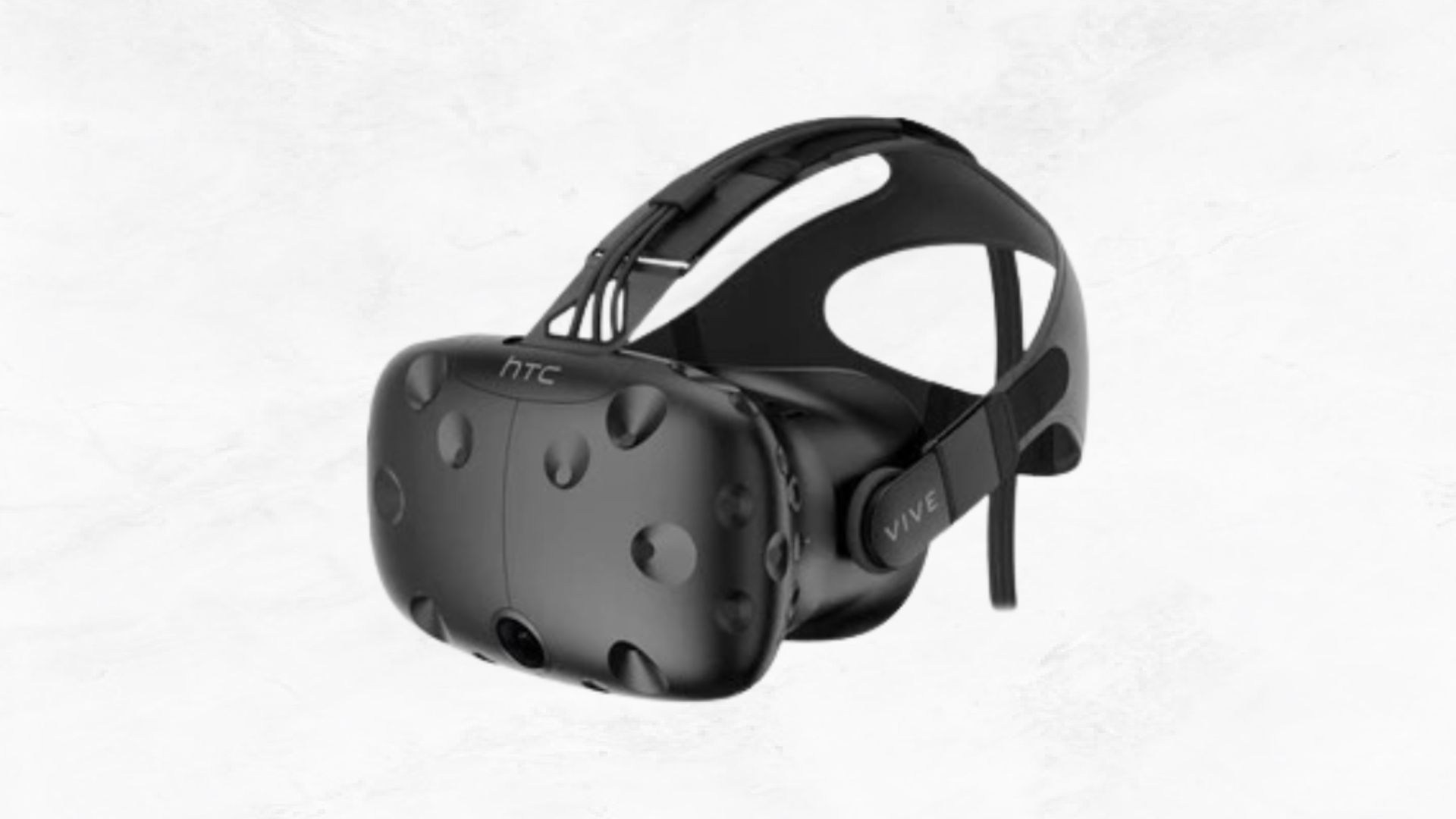
The HTC Vive is a virtual reality (VR) headset that was co-developed by HTC and Valve Corporation. Since its launch in April 2016, it has been regarded as one of the pioneering devices in the consumer VR market. The HTC Vive was designed to offer an immersive VR experience, combining high-resolution displays, precise motion tracking, and a wide range of compatible content.
Development and Launch
The HTC Vive was announced at the Mobile World Congress in March 2015, generating significant excitement due to its collaboration with Valve, a leading name in the gaming industry. Valve's SteamVR platform was integral to the HTC Vive, providing the software backbone and a vast library of games and applications. This partnership aimed to set a high standard for VR technology and content, leveraging Valve's expertise in gaming and HTC's hardware capabilities.
Hardware Specifications
The HTC Vive features dual OLED displays with a combined resolution of 2160 x 1200 pixels, providing a crisp and clear visual experience with a refresh rate of 90 Hz. This high refresh rate is crucial for reducing motion sickness and ensuring a smooth, immersive experience. The field of view is approximately 110 degrees, which helps to enhance the sense of presence in the virtual environment.
One of the standout features of the HTC Vive is its room-scale VR capability. This is made possible through the use of external sensors known as Lighthouse base stations, which track the user's movements in a space of up to 15 x 15 feet. This allows users to physically move around within the virtual environment, adding a layer of interactivity and immersion that was not commonly available in earlier VR systems.
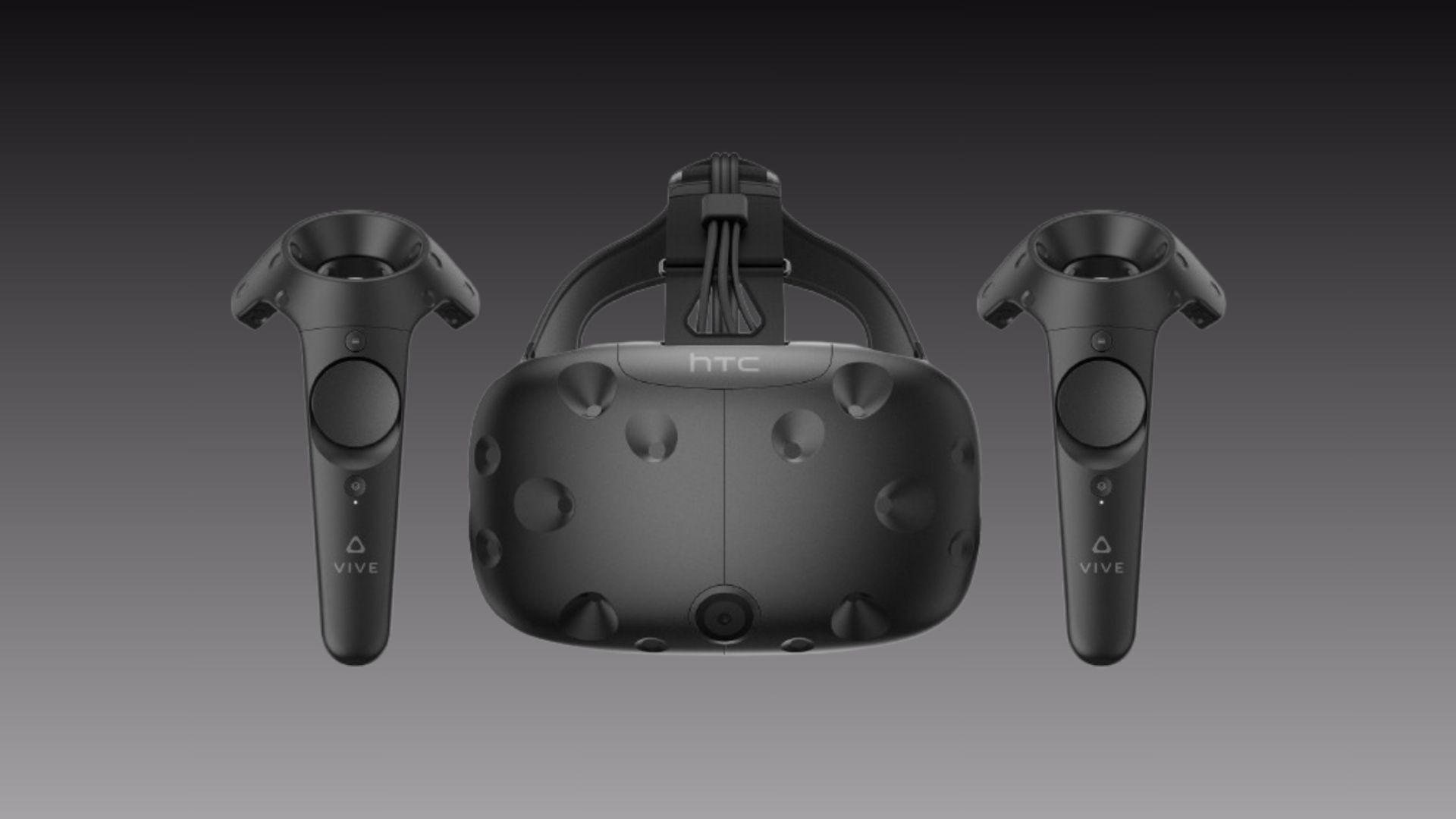
The HTC Vive also includes two handheld controllers, each equipped with a trackpad, grip buttons, a trigger, and various sensors. These controllers allow users to interact with virtual objects in a natural and intuitive manner, whether it's picking up items, shooting weapons, or manipulating tools within the VR world.
Setup and User Experience
Setting up the HTC Vive involves installing the base stations in opposite corners of the play area, connecting the headset to a PC, and configuring the software through the SteamVR platform. While the initial setup can be somewhat complex, the result is a highly immersive VR system that can track the user's movements with great precision.
Once set up, the HTC Vive provides an engaging and immersive user experience. The high-resolution displays and wide field of view create a convincing sense of presence, while the room-scale tracking allows for natural and intuitive interaction with the virtual environment. The controllers are ergonomically designed and responsive, making them comfortable to use for extended periods.
Content and Applications
The success of any VR system is heavily dependent on the availability of compelling content, and the HTC Vive has been supported by a wide range of games and applications. SteamVR, Valve's virtual reality platform, offers a vast library of content, from high-octane action games to educational experiences and creative tools.
Popular titles available on the HTC Vive include 'Beat Saber,' a rhythm-based game where players slash through blocks to the beat of the music; 'Half-Life: Alyx,' a highly acclaimed first-person shooter set in the Half-Life universe; and 'Tilt Brush,' an application that allows users to paint in three-dimensional space. These and many other titles showcase the diverse possibilities of VR, from entertainment to education and beyond.
In addition to gaming, the HTC Vive has found applications in various professional fields. In architecture and design, it allows for immersive walkthroughs of buildings and environments before they are constructed. In medicine, it is used for training and simulation, providing a safe and controlled environment for practicing complex procedures. The Vive has also been used in education, providing students with interactive and engaging learning experiences.
Advancements and Iterations
Since the launch of the original HTC Vive, there have been several advancements and iterations in the Vive product line. The HTC Vive Pro, released in 2018, features upgraded displays with a combined resolution of 2880 x 1600 pixels, improved ergonomics, and built-in headphones for a more immersive audio experience. The Vive Cosmos, released in 2019, introduced inside-out tracking, eliminating the need for external base stations and making setup more convenient.
HTC has also expanded its VR offerings with the introduction of the Vive Focus, a standalone VR headset that does not require a PC or external sensors. This headset is aimed at both consumers and enterprise users, providing a versatile solution for a wide range of applications.
The HTC Vive has played a significant role in advancing the field of virtual reality, setting a high standard for immersive and interactive experiences. Its combination of high-resolution displays, precise motion tracking, and a diverse library of content has made it a popular choice among both gamers and professionals. As VR technology continues to evolve, the HTC Vive and its successors are likely to remain at the forefront, driving innovation and expanding the possibilities of what can be achieved in virtual reality.
HTC VIVE