

Virtual Reality in Tourism: Exploring Destinations from Home
Author
Elisha Roodt
Date Published
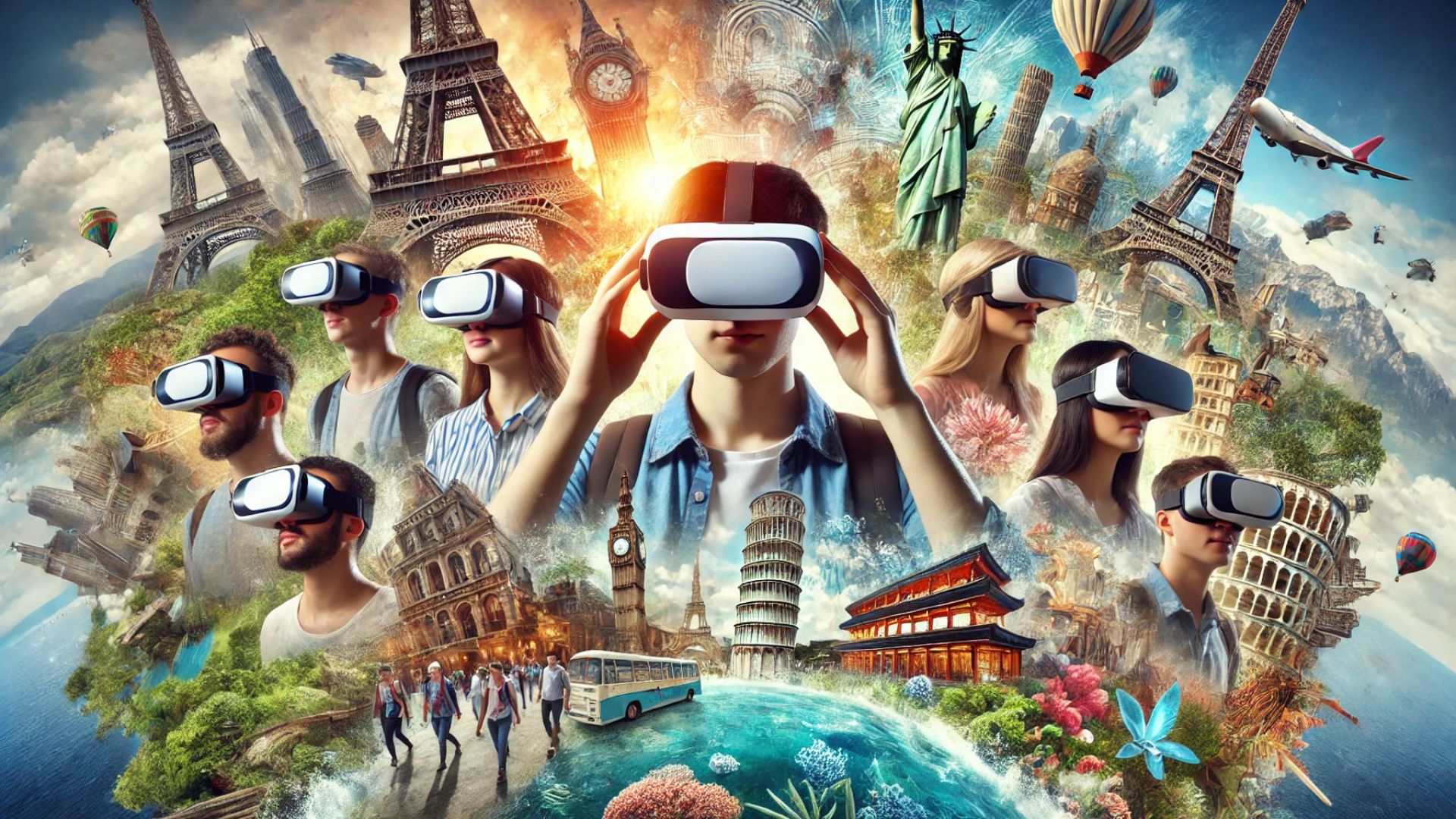
Imagine standing at the edge of the Grand Canyon, feeling the wind against your face and gazing at the breathtaking expanse before you. Now, picture yourself strolling through the bustling streets of Tokyo, marveling at the neon lights and unique architecture. What if you could do all this without ever leaving your home? Welcome to the world of Virtual Reality (VR) in tourism, where immersive experiences allow you to explore global destinations from the comfort of your living room.
The Rise of Virtual Travel
Virtual travel is a rapidly growing sector within the tourism industry. Thanks to advancements in VR technology, people can now embark on virtual journeys that feel incredibly real. VR headsets and 360-degree videos enable users to immerse themselves in different environments, experiencing the sights and sounds as if they were actually there. This innovation is revolutionizing the way we think about travel and exploration.
The Technology Behind VR Tourism
VR tourism relies on cutting-edge technology to create immersive experiences that transport users to different parts of the world without physically being there. High-resolution VR headsets, such as the Oculus Rift, HTC Vive, and PlayStation VR, are at the forefront of this technological revolution. These devices provide stunning visuals with high pixel density and vibrant colors, creating a realistic environment that can trick the brain into feeling present in a different location. The spatial audio technology in these headsets adds another layer of immersion, accurately simulating the direction and distance of sounds, whether it's the gentle rustle of leaves in a forest or the distant murmur of a busy city.
One of the key features of VR headsets is their ability to track the user's head movements, providing a 360-degree field of view. This means that as you turn your head, the virtual environment adjusts accordingly, allowing you to look around and explore the virtual world just as you would in real life. This feature is crucial for creating a sense of presence, making the user feel like they are actually in the virtual location.
In addition to VR headsets, 360-degree cameras and drones play a crucial role in capturing real-world locations for virtual tourism. These cameras record panoramic videos, which are then meticulously stitched together to create a seamless and immersive virtual experience. Drones equipped with 360-degree cameras can capture stunning aerial views of landscapes and landmarks, adding another dimension of realism to virtual travel experiences. The combination of high-quality video and precise stitching techniques ensures that users can enjoy a smooth and visually compelling journey through various destinations.
Exploring Iconic Destinations Virtually
One of the most exciting aspects of VR tourism is the ability to explore iconic destinations around the world. This technology opens up opportunities to visit places that might have been difficult or impossible to reach in person due to distance, cost, or physical limitations. From natural wonders to cultural landmarks, virtual travelers can immerse themselves in diverse environments and experience the beauty and history of various locations.
The Wonders of Nature
Nature enthusiasts can use VR to explore some of the world's most stunning natural wonders. Imagine hiking through the dense, vibrant rainforests of the Amazon, where you can see exotic wildlife and hear the symphony of jungle sounds. Or picture yourself standing amidst the towering redwoods of California, gazing up at these ancient giants that have stood the test of time. With VR, you can also dive into the crystal-clear waters of the Great Barrier Reef, swimming alongside colorful fish and intricate coral formations. These virtual experiences allow users to appreciate the magnificence of nature without the need for extensive travel arrangements or environmental concerns, providing an eco-friendly way to enjoy the planet's natural treasures.
Cultural and Historical Landmarks
For history buffs and culture seekers, VR offers a unique opportunity to visit cultural and historical landmarks that hold significant importance. Walk through the ancient ruins of Machu Picchu, exploring the remnants of the Inca civilization perched high in the Andes mountains. Wander through the grand pyramids of Egypt, marveling at the architectural prowess and rich history of these monumental structures. Stand in awe beneath the Sistine Chapel's ceiling, admiring Michelangelo's masterpiece up close without the crowds. VR tours can provide in-depth information and guided experiences, enhancing the educational value of these virtual visits by offering detailed explanations and historical context.
The Benefits of Virtual Travel
Virtual travel is not just a novelty; it offers several significant benefits that are reshaping the tourism industry. These advantages are contributing to the growing popularity of VR tourism and its potential to revolutionize how we explore the world.
Accessibility and Inclusivity
One of the most significant advantages of VR tourism is its accessibility. For individuals with physical disabilities or health issues that prevent them from traveling, VR provides a way to experience the world without limitations. People who are unable to endure long flights, strenuous activities, or challenging terrains can still enjoy the wonders of travel through VR. Additionally, virtual travel can be a more affordable option for those who cannot afford traditional travel expenses, such as airfare, accommodation, and dining. VR democratizes travel experiences, making them available to a broader audience regardless of physical or financial constraints.
Environmental Impact
Tourism can have a considerable environmental impact, from carbon emissions due to flights to the strain on natural resources in popular destinations. VR tourism presents a sustainable alternative by reducing the need for physical travel. Virtual travelers can enjoy the beauty of nature and cultural sites without contributing to overtourism or environmental degradation. By opting for virtual experiences, individuals can minimize their carbon footprint and help preserve fragile ecosystems and historical sites for future generations. This eco-friendly approach aligns with the growing emphasis on sustainable and responsible tourism practices.
Convenience and Flexibility
Planning a trip can be time-consuming and stressful, involving numerous logistical considerations such as flights, accommodations, visas, and itineraries. VR tourism offers the convenience of exploring multiple destinations from home, eliminating the need for travel logistics, accommodation bookings, and itinerary planning. Users can embark on virtual adventures at their own pace and on their schedule, enjoying the freedom to explore without the constraints of time and budget. Whether you have a few minutes or several hours, VR allows you to customize your travel experience to fit your lifestyle and preferences.

The Future of VR in Tourism
The potential for VR in tourism is vast, and as technology continues to evolve, so too will the possibilities for virtual travel experiences. The future of VR tourism holds exciting prospects that will further transform how we explore and interact with the world.
Enhanced Realism and Interactivity
As VR technology advances, we can expect even more realistic and interactive virtual travel experiences. Enhanced graphics will provide users with photorealistic visuals, making virtual environments almost indistinguishable from the real world. The inclusion of haptic feedback will allow users to feel the textures of objects they encounter in VR. Imagine being able to touch the rough stone of an ancient castle wall, feel the softness of sand on a beach, or even sense the cool breeze of a mountaintop.
AI-driven interactions will add another layer of realism to virtual travel. Virtual guides, powered by artificial intelligence, could offer personalized tours, answer questions, and provide real-time information based on user interactions. These guides could adapt to individual preferences, offering a more tailored and engaging experience. For example, if you're interested in the history of a particular landmark, the virtual guide could provide in-depth stories and lesser-known facts, enhancing your understanding and appreciation of the site.
Personalized Travel Experiences
In the future, VR tourism could offer highly personalized experiences tailored to individual preferences. Virtual travel agencies could create custom itineraries based on user interests, allowing for a more immersive and engaging experience. Whether you're an art lover, foodie, or adventure seeker, VR can cater to your unique travel desires.
Imagine a VR platform where you can input your preferences, such as favorite activities, desired destinations, and travel style. The system could then generate a personalized virtual tour, taking you to places that match your interests. If you're passionate about art, your virtual journey could include guided tours of famous galleries, interactive sessions with virtual artists, and behind-the-scenes looks at restoration projects. If you're a foodie, you could virtually visit renowned restaurants, watch cooking demonstrations, and even participate in interactive cooking classes.
Integration with Augmented Reality
The integration of VR with augmented reality (AR) could further enhance virtual travel experiences. AR overlays digital information onto the real world, and when combined with VR, it can create a mixed-reality experience that blends virtual and physical elements.
For example, users could explore a virtual replica of a museum while receiving AR-enhanced information about the exhibits. As you walk through a virtual gallery, AR could provide additional context, such as the history of a painting, details about the artist, or insights into the techniques used. This combination of VR and AR could also enable interactive educational experiences, such as virtual archaeology digs where users can excavate and examine artifacts, learning about ancient civilizations in a hands-on manner.
Real-World Applications and Success Stories
Several organizations and destinations have already embraced VR tourism, offering virtual experiences that showcase the potential of this technology. These real-world applications demonstrate how VR is transforming the tourism industry and providing innovative ways for people to explore the world.
Destination Marketing
Tourism boards and destination marketing organizations are using VR to attract potential visitors. By offering virtual tours of their locations, they can entice travelers to visit in person. For instance, New York City has created a VR experience that allows users to explore Times Square, Central Park, and other iconic landmarks, giving them a taste of what the city has to offer.
These virtual tours can be accessed through VR headsets or mobile devices, providing an immersive preview of the destination. Potential visitors can wander through famous neighborhoods, experience local attractions, and get a sense of the city's atmosphere. This immersive marketing approach helps travelers make informed decisions and inspires them to plan their next trip.
Virtual Museum Tours
Museums around the world have adopted VR to provide virtual tours of their exhibits. The British Museum, the Louvre, and the Smithsonian Institution have all created VR experiences that allow users to explore their collections from home. These virtual tours offer an educational and engaging way to experience art, history, and culture.
With VR, museum-goers can take a leisurely stroll through the halls of the British Museum, examining ancient artifacts and reading detailed descriptions. At the Louvre, users can virtually stand before the Mona Lisa, appreciating the artwork's intricate details without the usual crowds. The Smithsonian Institution's VR tours allow users to delve into American history, exploring exhibits on everything from the space race to natural history. These virtual tours make world-class collections accessible to a global audience, breaking down geographical barriers and fostering a deeper appreciation for cultural heritage.
Travel Agencies and Tour Operators
Some travel agencies and tour operators are incorporating VR into their offerings to provide customers with a preview of their trips. By experiencing a destination virtually before booking, travelers can make more informed decisions and feel more confident about their travel plans.
Virtual Reality is transforming the tourism industry by offering innovative and immersive ways to explore the world. From the natural wonders of the Amazon rainforest to the cultural landmarks of ancient civilizations, VR allows users to embark on virtual journeys that are accessible, convenient, and environmentally friendly. As technology continues to advance, the potential for VR in tourism will only grow, providing ever more realistic and personalized travel experiences. Whether you're an armchair traveler or an avid explorer, the world of virtual travel offers endless possibilities for adventure and discovery.
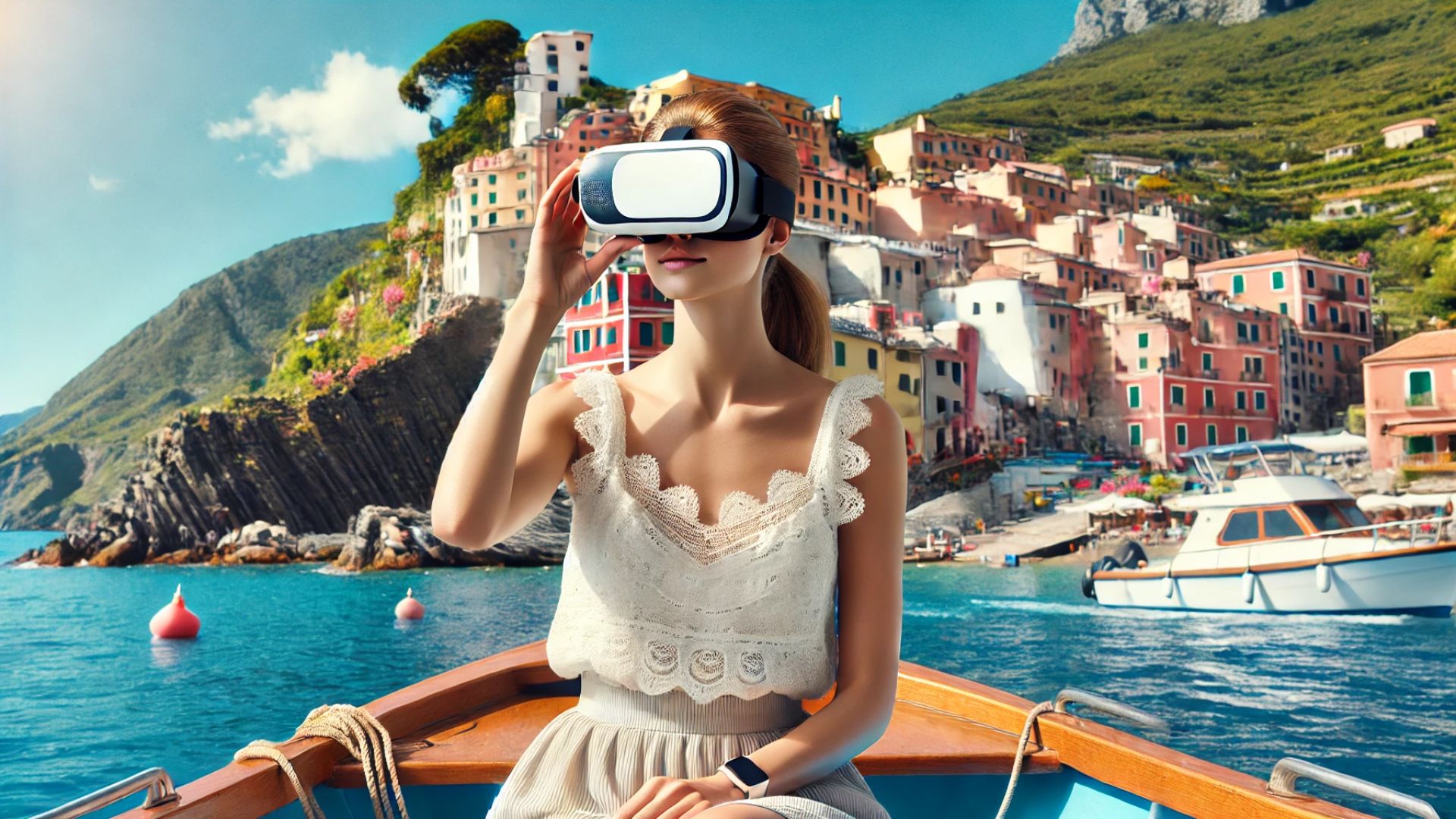
In a world where physical travel can sometimes be challenging or impractical, VR tourism opens up new horizons, allowing us to experience the wonders of the world from our homes. So, put on your VR headset, and get ready to embark on a virtual adventure like no other. The world is at your fingertips, and the possibilities are limitless.
Virtual Reality Sight Seeing