

3D Modeling, 3D Rendering and 3D Texturing.
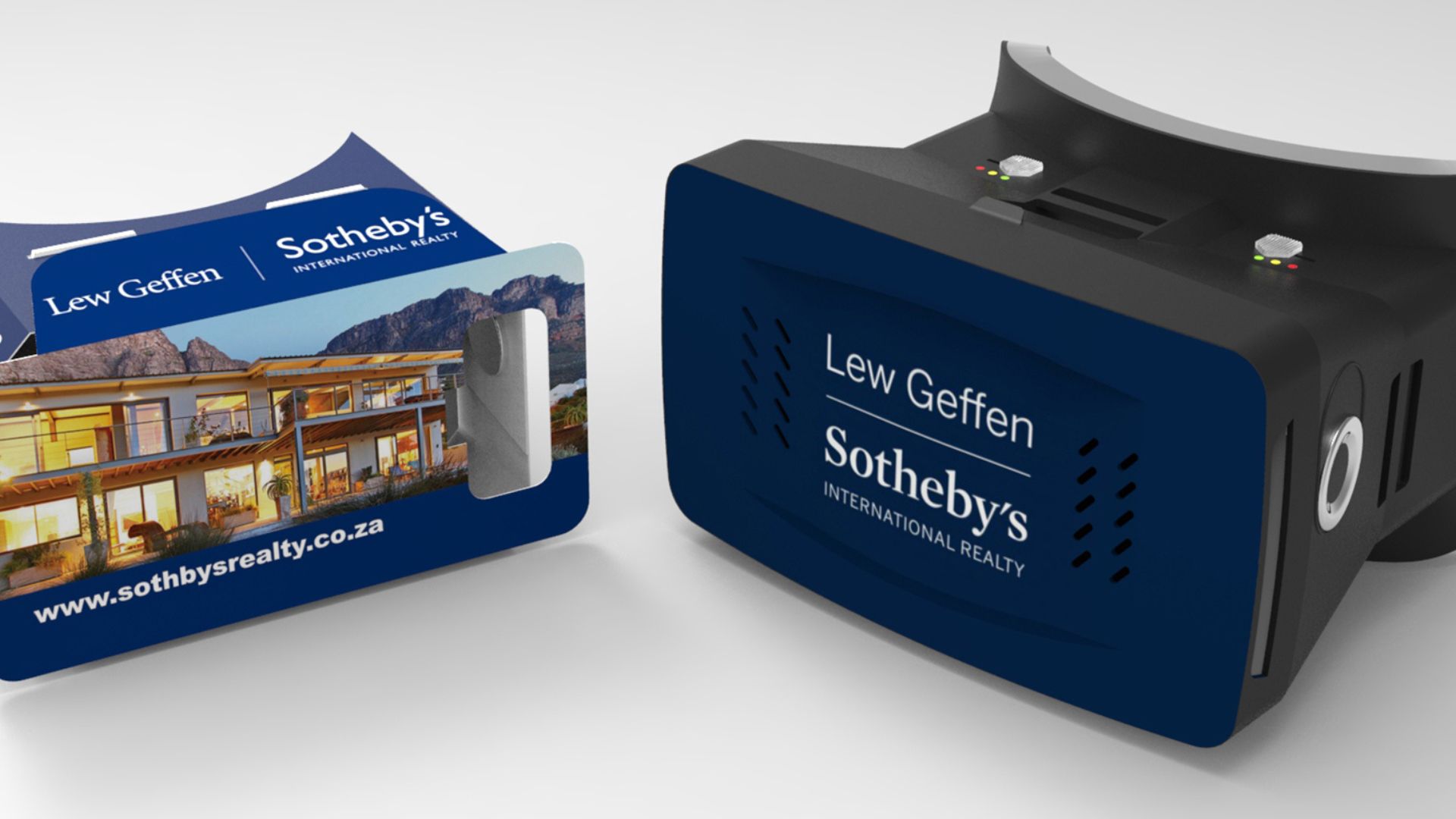
In today's digital age, the realms of 3D modeling, rendering, and texturing have become indispensable tools across various industries. From architecture and entertainment to education and virtual reality, these techniques offer unparalleled realism and creativity. This article delves into the intricacies of 3D modeling, 3D rendering, and 3D texturing, highlighting their importance, applications, and benefits.
3D Modeling
At its core, 3D modeling is the process of creating a three-dimensional representation of any object or surface. This digital sculpting is foundational for any project requiring a 3D depiction. The process involves several key steps:
1. Conceptualization: Before any modeling begins, a clear vision or concept is essential. This phase often includes sketches or reference images to guide the creation process.
2. Wireframing: This stage involves creating a skeletal framework of the model using points, lines, and curves. It’s akin to outlining the basic structure of the object.
3. Polygonal Modeling: The wireframe is fleshed out using polygons (usually triangles or quadrilaterals). This phase focuses on defining the object’s shape and volume.
4. Detailing: Adding finer details to the model, such as intricate patterns, textures, or specific features, brings the model closer to its real-world counterpart.
5. Sculpting: For organic models, digital sculpting tools allow artists to create complex shapes and smooth surfaces, mimicking the process of traditional clay sculpting.
3D modeling is crucial in various sectors:
• Architecture: Architects use 3D models to visualize buildings, interiors, and landscapes before construction begins, facilitating better planning and client presentations.
• Entertainment: Movies, video games, and animations heavily rely on 3D models to create lifelike characters, environments, and special effects.
• Product Design: Designers use 3D modeling to prototype new products, allowing for virtual testing and refinement before physical production.
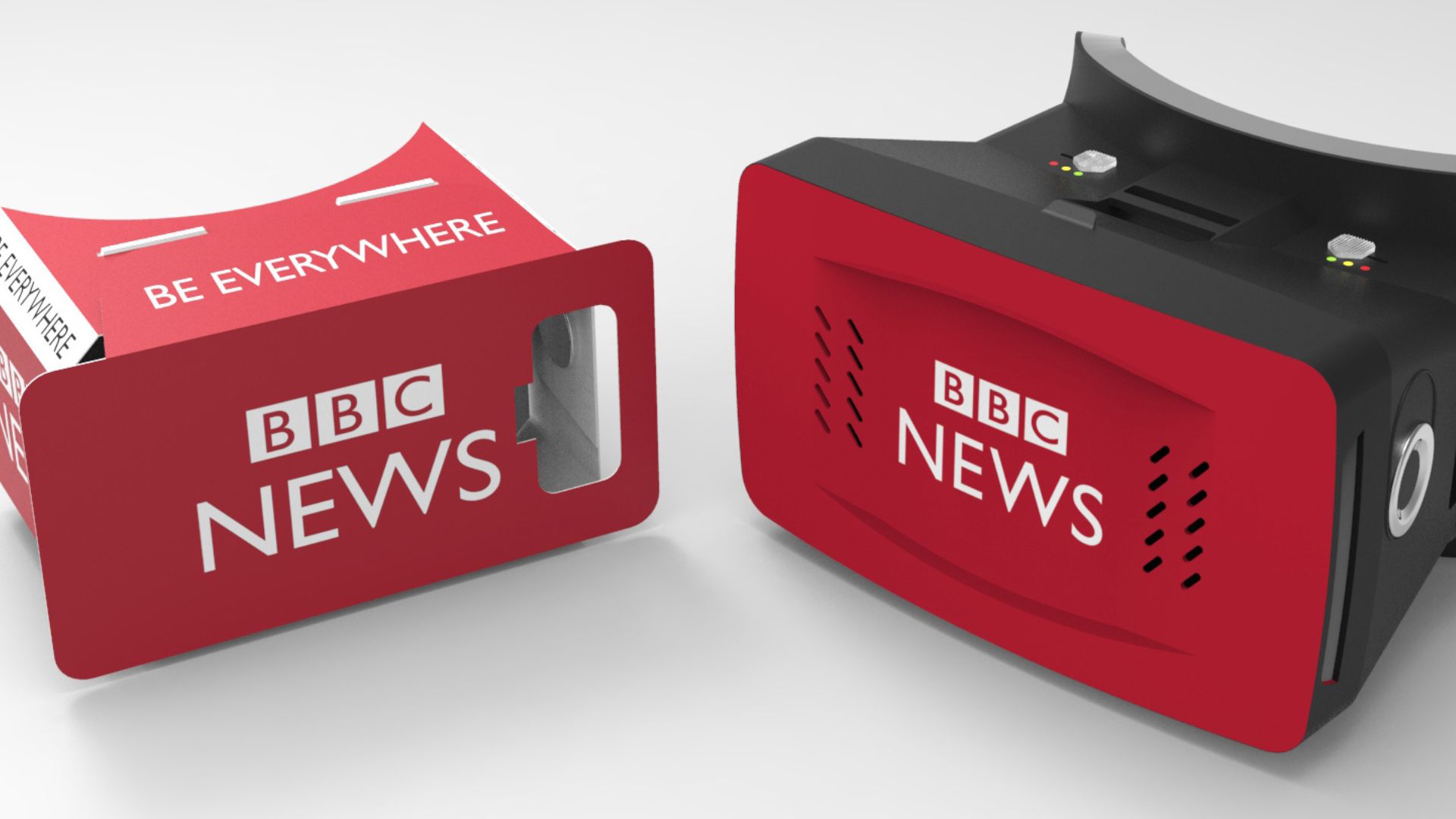
3D Texturing
To achieve the highest level of realism, 3D models require detailed surface characteristics, which is where 3D texturing comes into play. Texturing involves applying images or patterns to the surface of a 3D model to give it color, detail, and texture. The process includes:
1. UV Mapping: This technique involves unwrapping the 3D model into a 2D space so that textures can be accurately applied. Think of it as creating a flat version of the model’s surface.
2. Creating Textures: Textures can be created from scratch using software like Adobe Photoshop or Substance Painter, or they can be sourced from real-world images.
3. Applying Textures: Once created, textures are applied to the model’s UV map. This process can include adding multiple layers, such as base color, bump maps (for surface detail), and specular maps (for reflections).
4. Adjusting Properties: Artists tweak properties like glossiness, roughness, and transparency to achieve the desired look and feel.
The importance of 3D texturing cannot be overstated:
• Video Games: Texturing adds depth and detail to game environments and characters, making them more immersive and visually appealing.
• Film and Animation: Textures bring animated characters and scenes to life, adding a layer of authenticity and believability.
• Product Visualization: Texturing helps in accurately depicting materials like metal, wood, and fabric, essential for realistic product renderings.
3D Rendering
Once a 3D model is created, the next step is to convert it into a 2D image or animation. This process, known as 3D rendering, involves generating realistic or stylized visuals from the 3D model. Key aspects of rendering include:
1. Lighting: Proper lighting is crucial to achieve realism. Artists simulate various light sources and their interactions with the model to create shadows, reflections, and highlights.
2. Textures and Materials: Applying textures and materials to the model enhances its visual appeal. This includes defining how surfaces interact with light, such as being shiny, matte, or translucent.
3. Camera Angles: Just like in photography, choosing the right camera angles and perspectives is vital to capturing the best view of the model.
4. Rendering Engines: Specialized software, known as rendering engines, processes all the data and generates the final image or animation. Popular rendering engines include V-Ray, Arnold, and Blender’s Cycles.
3D rendering has a broad range of applications:
• Marketing and Advertising: High-quality rendered images are used in commercials, brochures, and online ads to showcase products in the best light.
• Virtual Reality: Rendering is crucial in creating immersive VR experiences, where users can interact with 3D environments in real-time.
• Medical Visualization: In healthcare, rendering helps create detailed visuals of anatomical structures for educational and diagnostic purposes.

Integration and Workflow
The processes of 3D modeling, rendering, and texturing are deeply interconnected, often requiring seamless integration to achieve the best results. A typical workflow might look like this:
1. Modeling: Start with creating a detailed 3D model using software like Maya, 3ds Max, or Blender.
2. Texturing: Apply textures to the model using tools like Substance Painter or Photoshop.
3. Rendering: Set up the scene with appropriate lighting and camera angles, then render the final image or animation using engines like V-Ray or Arnold.
Each step builds upon the previous one, creating a pipeline that transforms initial concepts into stunning visualizations.
The triad of 3D modeling, rendering, and texturing forms the backbone of modern digital artistry and visualization. These techniques enable professionals across various fields to push the boundaries of creativity and realism. Whether it's an architect visualizing a new building, a game developer creating immersive worlds, or a marketer showcasing a new product, the power of 3D cannot be underestimated. Embracing these technologies ensures not only staying ahead in a competitive landscape but also unlocking endless possibilities for innovation and expression.