

The Comprehensive Guide
What is
Virtual Reality?
A groundbreaking technology where physical and digital boundaries blur. Discover the history, mechanics, and future of immersive virtual experiences.
Core Fundamentals
Key Components
Of Immersive Tech.
Immersive Environment
Simulated worlds designed to create a sense of 'being there' through realistic visuals and interactive elements.
Head-Mounted Display
The cornerstone HMD technology that offers 360-degree views with high-resolution screens and motion sensors.
Motion Tracking
Advanced sensors (gyroscopes, accelerometers) that track head, hand, and body movements for natural interaction.
Real-Time Interactivity
Virtual worlds that respond to your actions instantly through controllers, gloves, or hand-tracking tech.
The Evolution
The Modern History
Of Virtual Reality.
Early Beginnings
Morton Heilig develops the Sensorama, the first multisensory machine.
Sword of Damocles
The first head-mounted display system, pioneering the concept of HMDs.
The Rise of VR
Jaron Lanier and VPL Research introduce the DataGlove and EyePhone.
VR Reborn
Oculus Rift launches on Kickstarter, sparking a new era of mainstream interest.

How VR Works:
A Beginner's Guide.
HMDs
Dual screens creating a stereoscopic 3D effect and wide field of view.
Tracking
Gyroscopes and sensors updating the environment in real-time.
3D Audio
Spatial sound simulating how audio is heard in a real environment.
Software
Engines like Unity and Unreal rendering 3D worlds and interactions.
Practical
Applications.
Gaming
Physically move and interact with game worlds like Beat Saber or Half-Life: Alyx.
Education
Simulate historical events or complex scientific phenomena.
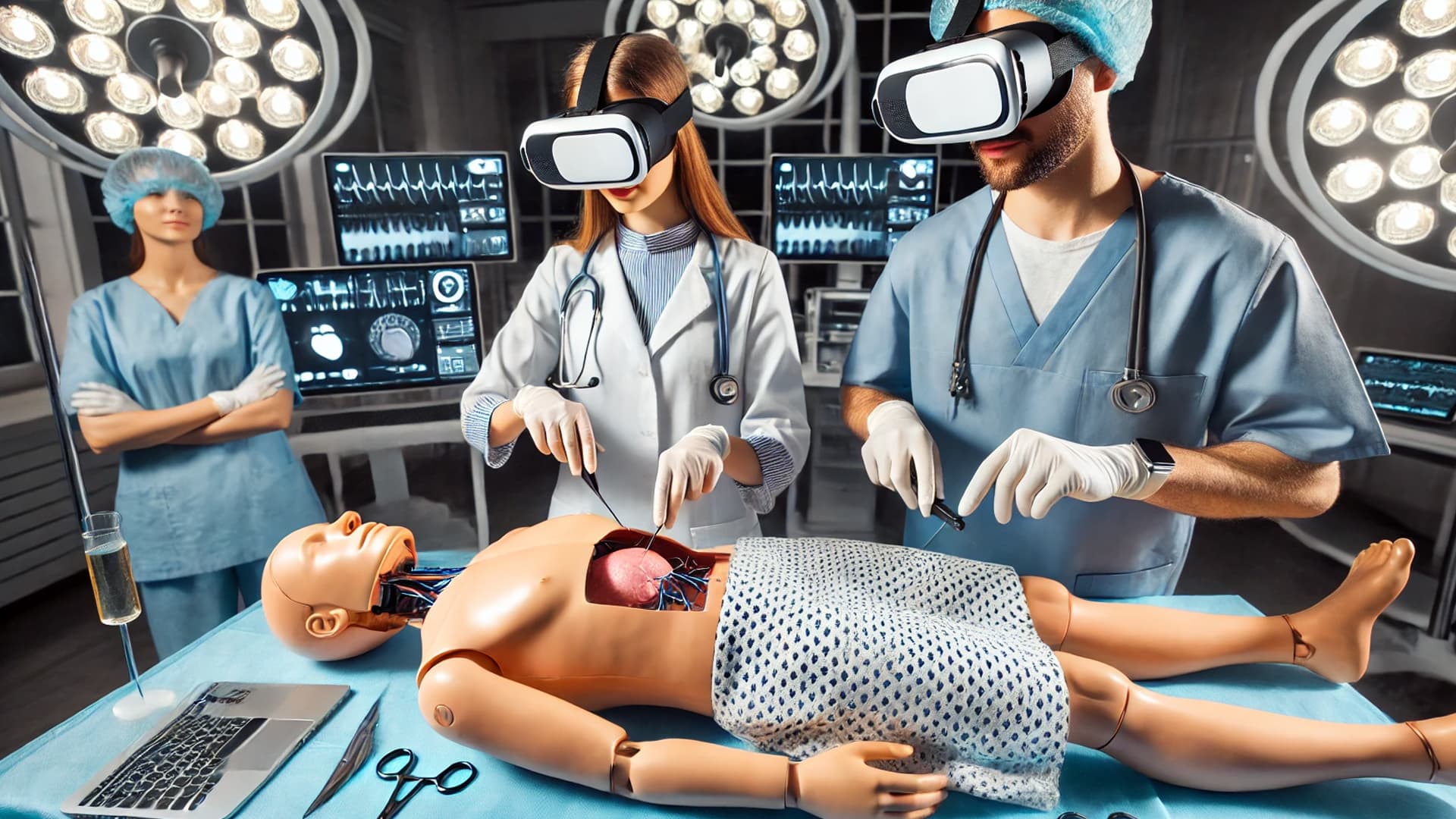
Healthcare
Used for therapy, rehabilitation, and pain management distractors.
Real Estate
Virtual tours that allow exploration from anywhere in the world.
Ready to showcase your
Property in 3D?
Contact our team today to explore bespoke Virtual Reality and Augmented Reality solutions for your real estate or business.