

Augmented Reality in Retail
Author
Elisha Roodt
Date Published
A Revolution in Customer Engagement
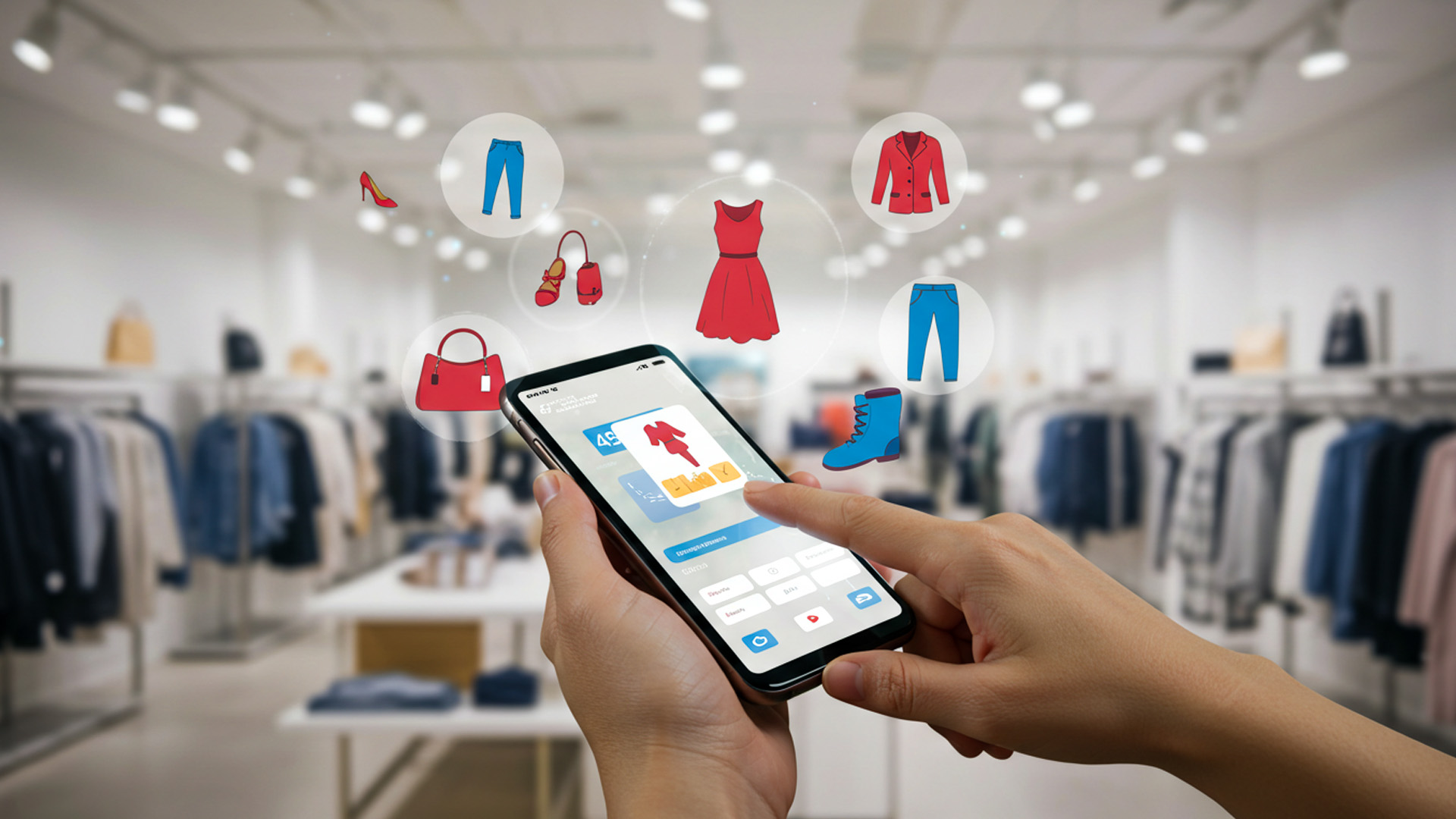
Augmented Reality (AR) is redefining the retail sector by merging digital innovations with tangible shopping environments. Retailers are increasingly weaving AR into the fabric of customer service, from virtual try-ons to interactive product displays, revolutionizing how consumers explore and purchase merchandise. This digital overlay transforms conventional storefronts into immersive landscapes where technology, imagination, and commerce intersect. As customers traverse these novel environments, they enjoy an experience that is not only engaging but also intuitively personalized, blurring the line between physical and virtual retail. In this dynamic arena, technology advances catalyze a deeper connection between brands and buyers, sparking a true evolution in retail storytelling.
Transforming Storefronts with Virtual Try-Ons
Revolutionizing Fitting Rooms
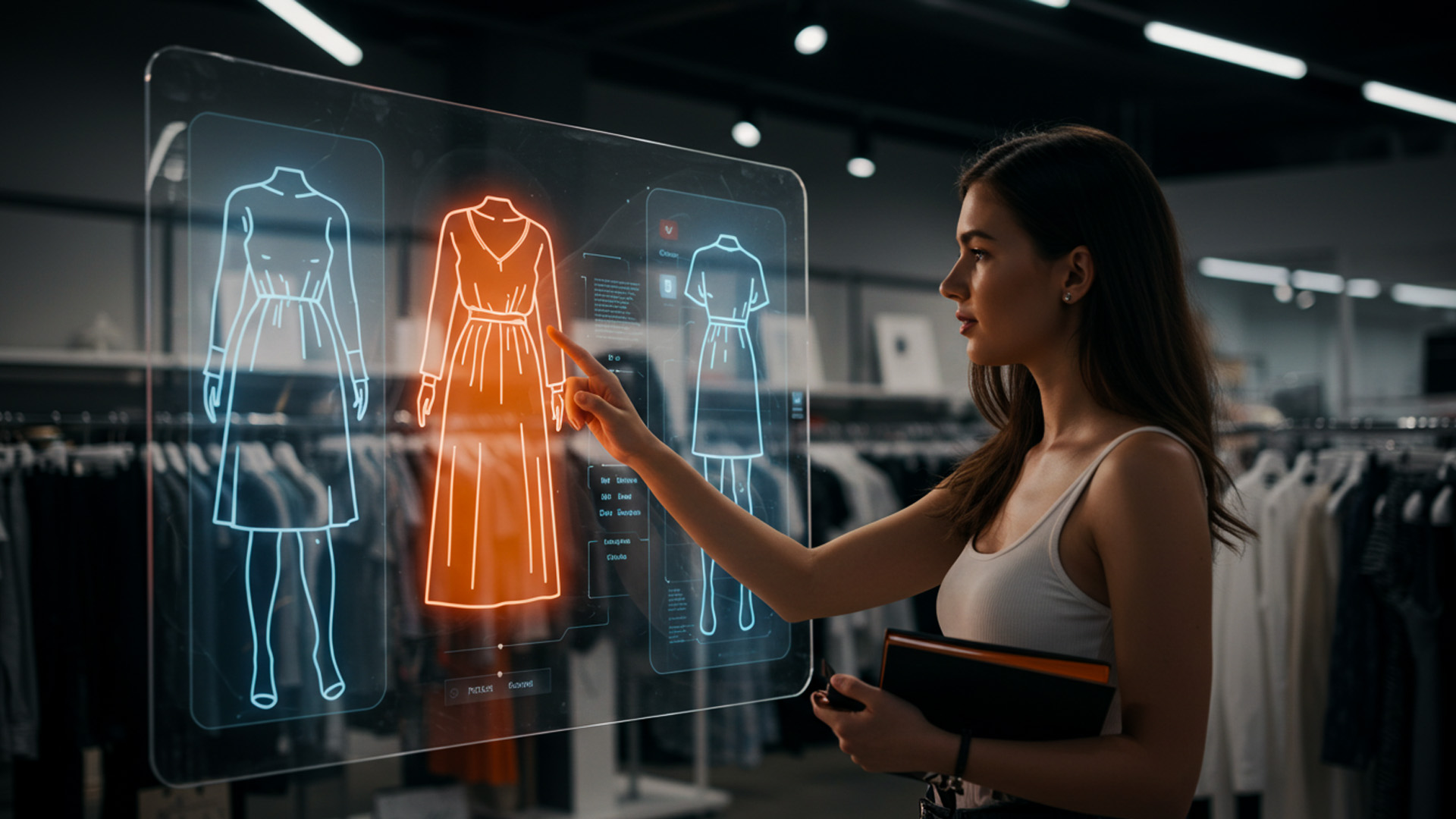
In modern retail, augmented fitting rooms have become a portal to a future where customers virtually try on apparel with unprecedented ease. These solutions replace traditional mirrors with interactive displays that overlay garments on live images. Shoppers can experiment with colors, sizes, and combinations within a matter of seconds, making decision-making both engaging and efficient. The integration of AR creates a fitting room that is not only functional but also visually captivating, reminiscent of stepping into a digital atelier where technology tailors the experience to each individual. This metamorphosis in retail technology offers a seamless blend of practicality and innovation, enhancing consumer confidence and satisfaction.
The technology behind these virtual fitting rooms operates through complex sensors and real-time image processing, ensuring that garments fit the user's silhouette accurately. Imagine a shopper on a brisk autumn day, hesitating over a bulky coat; with a simple gesture, the coat appears perfectly fitted to their form, providing instant clarity on style and comfort. This digital transformation mirrors the artistry of a bespoke tailor, but with the immediacy of modern software. It not only streamlines the purchase journey but also instills a sense of wonder and modernity, inviting shoppers into a realm where technology personalizes every interaction.
Interactive Product Previews
Interactive product previews through AR allow customers to visualize items in realistic settings long before making a purchase. By projecting digital models into their own environments, consumers are given the chance to assess functionality, aesthetics, and compatibility with existing decor or style. This immersive technique transforms the static act of online shopping into an exploratory journey that closely mimics the physical in-store experience. In doing so, retailers cultivate a sense of trust and excitement, drawing parallels between digital precision and tangible quality through a virtual lens.
Imagine a scenario where a homeowner, captivated by a designer sofa on a website, can immediately see how that piece would harmonize with their living room's layout and color scheme. The AR preview acts as a digital decorator, offering a bespoke consultation right at the customer's fingertips. This dynamic experience reduces uncertainty and mitigates post-purchase dissonance, as buyers are empowered with a clearer vision of their future lifestyle. Consequently, interactive previews do more than display products'they create personal narratives that resonate with consumer aspirations, enhancing both engagement and conversion rates.
Personalized Shopping Journeys
AR-powered personalization in retail transforms every shopping expedition into a tailored journey that speaks directly to individual tastes and lifestyles. Through the intelligent collection of user data and preferences, AR interfaces guide each visitor along a path uniquely suited to their needs. Digital assistants and curated visual cues integrate seamlessly into the shopping process, advising on complementary products and styling tips as if a personal shopper were by their side. This technology turns routine browsing into an interactive session where every suggestion is strategically placed to elevate the customer experience.
Envision a fashion boutique where, upon entering, a customer is greeted by an AR interface that recognizes their style preferences and historical purchases. The system might recommend a trendy accessory or even simulate how a full outfit might come together. This hyper-personalization lends a human touch to digital commerce, blending data analytics with creative flair. Consumers are not merely offered products; they are offered an experience imbued with the artistry of suggestion and tailored curation, making every interaction both memorable and uniquely informative.
Integrating AR Technology in Inventory Management
Streamlining Stock Visualization
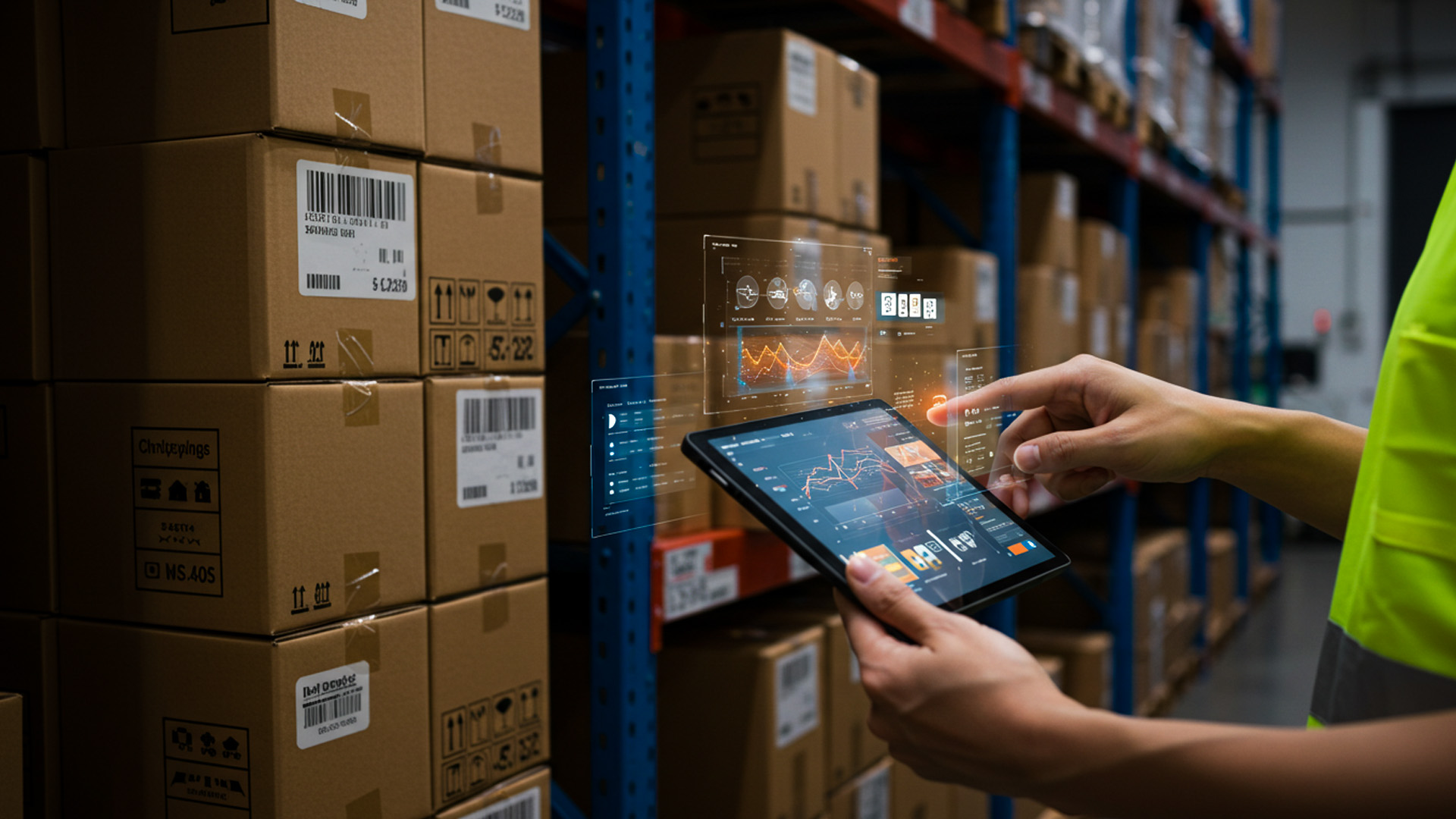
Integrating AR into inventory management systems has revolutionized how retailers visualize and interact with stock. Employees can now use AR-enabled devices to overlay information on physical products, swiftly locating items or verifying stock levels. This digital augmentation transforms the back-end processes into an intuitive, interactive experience, where data streams appear superimposed on the physical warehouse. The shift from traditional manual checks to a visual, high-tech inspection method dramatically increases operational efficiency and reduces human error, akin to swapping an old map for a satellite view.
Imagine a busy warehouse where logistics personnel scan shelves, instantly receiving real-time updates and product data overlaid on their field of vision. This process eliminates guesswork, as dynamic indicators signal low inventory or misplaced items with pinpoint accuracy. The interactive visualization not only enhances accuracy but also eases the strain of manual record-keeping, allowing employees to focus on more strategic tasks. The system embodies the efficiency of modern technology, converting a once cumbersome task into a streamlined, almost intuitive process that mirrors a well-conducted symphony of data and movement.
Enhancing Data Accuracy
AR applications in inventory management extend beyond visualization; they empower retailers to maintain data integrity with remarkable precision. By integrating scanning technology and digital overlays, inaccuracies in stock recording are minimized, ensuring real-time updates and seamless tracking across multiple platforms. This enhanced data accuracy is vital for large-scale retailers, where the margin for error can significantly impact sales and customer satisfaction. The result is a reliable ecosystem where digital insights power strategic decisions and prevent discrepancies from derailing operations.
Consider a scenario in which a retail manager relies on AR to instantly reconcile inventory during a busy season. The technology acts as an ever-vigilant auditor, catching miscounts before they escalate into operational issues. With every item checked and rechecked in real time, the system instills confidence in the data that drives ordering, marketing, and merchandising strategies. Much like a seasoned navigator using the stars to chart a course, retailers use AR to guide their inventory operations with precision and reliability, ensuring that every digit aligns with actual product availability.
Optimizing Supply Chain Narratives
Augmented Reality breathes new life into the narrative of supply chain management by transforming cold hard data into dynamic, visual stories. With AR, supply chain managers can view real-time analytics and status reports directly overlaid on physical inventory, charting the journey of a product from warehouse to storefront. This immersive storytelling approach not only streamlines logistical operations but also enhances transparency and accountability throughout the supply chain. Digital visualizations create a narrative that links every step of a product's journey, offering stakeholders a richer understanding of the process.
Visualize a manager walking through a distribution center, guided by AR icons that track shipments and predict delivery timelines with impressive clarity. This visual narration transforms routine monitoring into an interactive exploration, where every datapoint has a place in a larger, intelligible story. By connecting the dots between inventory levels, shipment routes, and consumer demand, AR reveals patterns that might otherwise be lost in spreadsheets. The result is a supply chain that is not only efficient but also inherently connected, fostering a collaborative environment where every stakeholder can visualize their role in a complex, ever-evolving tale.
Crafting Immersive In-Store Experiences
Bridging the Physical-Digital Divide
Augmented Reality is the bridge that transforms physical retail spaces into hybrid environments, merging tactile engagement with digital dynamism. Customers now experience a seamless transition between browsing tangible goods and interacting with digital overlays, a union reminiscent of an artist blending hues on a canvas. The convergence of physical products with virtual enhancements creates a shopping atmosphere where every display feels enriched by digital interactivity. This innovative approach redefines user experience by integrating practical benefits with creative flair, ensuring that technology enhances rather than replaces human interaction.
Imagine entering a boutique where traditional displays are augmented with digital narratives and interactive features. As a customer passes by, subtle cues on their mobile device reveal details about fabric quality, origin stories, or personalized recommendations. This synthesis of digital and physical realms captures the imagination, inviting shoppers to explore layers of information at their own pace. The dual nature of the experience reduces the friction of decision-making, providing both detailed product insights and an aesthetically pleasing interaction. Through this harmonious melding of worlds, AR creates an environment that is as informative as it is enchanting, reshaping the retail experience into a vivid, multisensory journey.
Engaging Digital Displays
In-store digital displays have evolved from static advertisements into dynamic canvases that engage customers with contextual, real-time information through AR. These displays transform store environments, turning walls and shelves into interactive storytellers that convey brand narratives and product details in compelling visual formats. As technology evolves, these digital canvases become more adaptive, adjusting content based on time, store events, or individual shopper behavior. They empower retailers to offer curated experiences that extend beyond the transaction, inviting consumers to explore and interact with products in a fully immersive digital ecosystem.
Picture a shopper strolling through a department store where every product is accompanied by a digital mural detailing its craftsmanship, origin, and complementary offerings. Through AR-enhanced displays, static images give way to immersive animations and interactive hotspots. This transformation turns routine shopping into an exploratory adventure, akin to visiting a living museum where every exhibit tells a unique story. The technology not only captivates audiences but also cultivates an environment where information flows intuitively, making the shopping experience both engaging and educational. The result is an elevated retail space where every display encourages discovery and fosters a deeper brand connection.
Curated AR Experiences
Curated AR experiences turn in-store visits into personalized adventures that blend guided discovery with spontaneous exploration. By leveraging consumer data and location-based triggers, retailers can present tailor-made content that evolves as customers move through the store. These experiences evoke a sense of wonder, similar to walking through an interactive art exhibit where every piece holds a secret narrative. The technology empowers brands to design moments of delight that resonate on an individual level, transforming everyday shopping trips into memorable explorations filled with interactive surprises and insightful revelations.
Imagine a scenario where a customer's journey through a high-end boutique is not just a purchase but an adventure. As they approach a featured section, a gentle prompt on their device unveils a behind-the-scenes story of the product's creation, complete with multimedia interactions. This carefully curated narrative draws the shopper deeper into the brand's universe, turning an ordinary visit into a captivating experience. The integration of AR ensures that every interaction is rich with context and tailored information, much like a bespoke tour through a gallery of innovation. In this environment, technology acts as a storyteller, breathing life into each product and inviting consumers to engage with the brand on a profoundly personal level.
The Future Landscape: Challenges & Opportunities in AR Retail
Technological Innovations Shaping Retail
As augmented reality continues to flourish, the retail sector stands at the precipice of transformative innovations that promise to redefine shopping. Cutting-edge advancements in computer vision, machine learning, and mobile computing are shaping a future where AR applications will become even more intuitive and seamlessly integrated. Retailers are beginning to harness these technologies to offer hyper-realistic product simulations and predictive analytics that guide customer decisions with unparalleled precision. This fusion of technology with everyday commerce is forging new paths, inviting both industry pioneers and traditional merchants to reimagine the retail narrative as a dynamic digital playground.
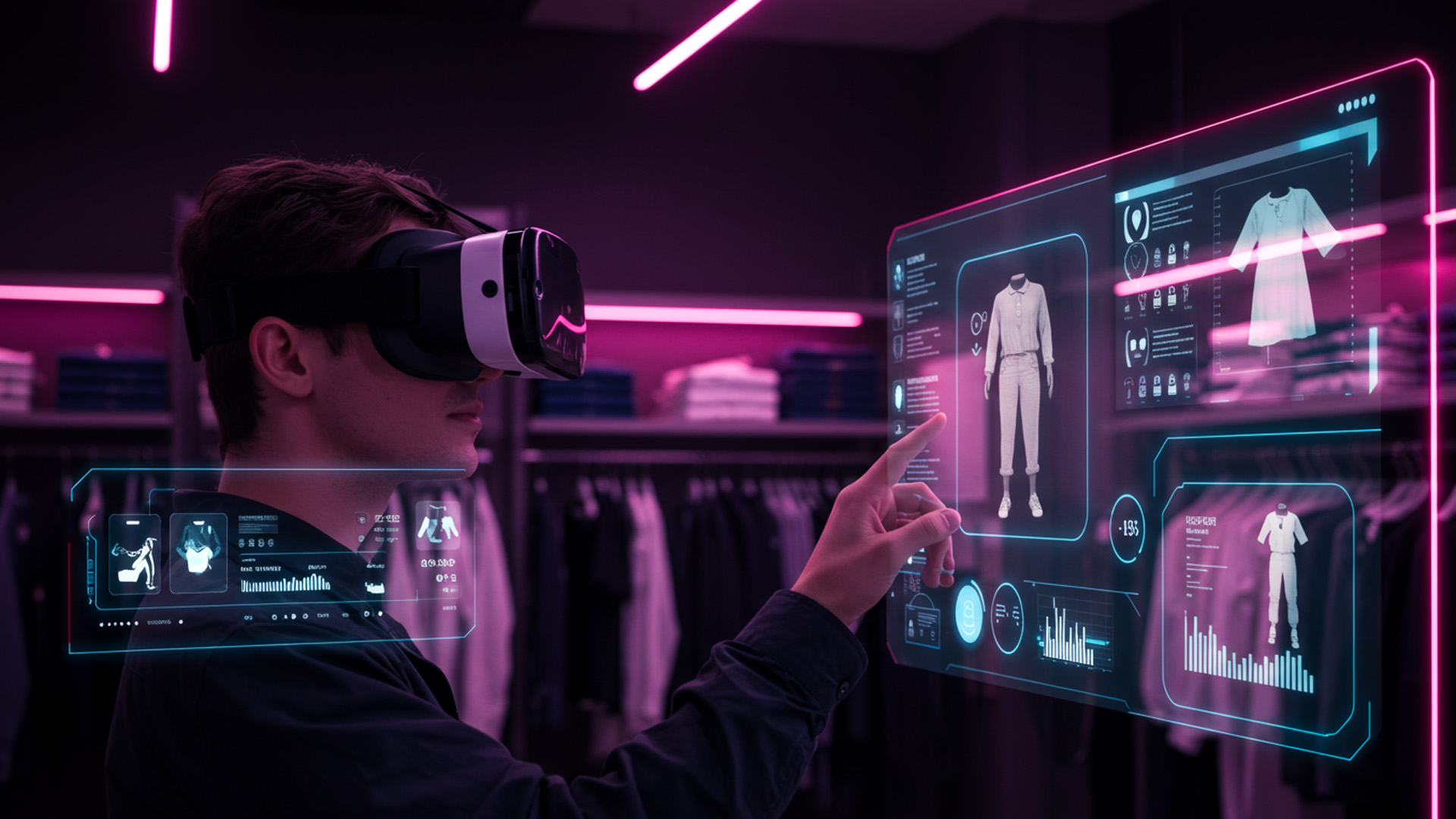
Picture a visionary retailer experimenting with holographic projections and gesture-based controls to create an immersive shopping environment. Here, customers navigate digital catalogs and interact with products using simple hand movements, much like orchestrating an elegant ballet of commerce and creativity. The evolution of AR in this space is comparable to transitioning from classical oil paintings to modern digital art installations, where every interaction is a canvas for innovation. Despite the considerable benefits, these technological advancements also challenge retailers to continuously update their systems and train staff to harness the full potential of these cutting-edge tools. The journey ahead is one of constant evolution, promising a retail experience that is as dynamic as it is inspiring.
Navigating Consumer Privacy Concerns
While the potential of AR in retail is vast, it is accompanied by the pressing need to address consumer privacy and data security. As augmented systems collect detailed user interactions and behavioral data, safeguarding this sensitive information becomes a paramount concern. Retailers must navigate a complex regulatory landscape while ensuring that personalization does not encroach upon personal privacy. The challenge lies in striking a delicate balance between leveraging technology for enhanced customer experiences and maintaining stringent data protection protocols. In doing so, brands must foster trust, reassuring consumers that their digital footprints are both respected and protected.
Consider the predicament of a shopper who revels in personalized AR experiences only to be wary of how their data is used. Retailers are tasked with designing systems that transparently communicate data policies and secure personal information while still offering tailored recommendations. This balancing act requires robust cybersecurity measures and clear consent protocols that empower users. Much like an architect designing a state-of-the-art building with hidden security features, the challenge is to integrate advanced technology without sacrificing privacy. In this evolving landscape, brands that successfully navigate these concerns will set the gold standard, winning customer loyalty by demonstrating that innovation and security can coexist harmoniously.
Envisioning the Next Generation of Retail
The evolution of augmented reality in retail is an unfolding saga marked by both exhilarating opportunities and formidable challenges. As technology advances, future retail ecosystems are poised to become even more interconnected, interactive, and intelligent. Envision stores that adapt in real time to the moods and preferences of each visitor, where every interaction is powered by data and elevated by immersive AR experiences. These futuristic environments will not only bridge the gap between the physical and digital but will also catalyze new business models that redefine customer engagement and loyalty. Retailers and technologists alike will need to collaborate in reimagining the very essence of the shopping experience, transcending traditional boundaries.
Imagine a future where stepping into a retail space is akin to entering a digital wonderland, where the interplay of light, sound, and interactive graphics creates an atmosphere reminiscent of a blockbuster film set. In this brave new world, traditional retail roles morph into experiences of discovery and entertainment. Each customer becomes a participant in a grand narrative, guided by responsive interfaces and intuitive design. The promise of this vision lies in its capacity to transform daily transactions into extraordinary moments of connection and delight. As brands embark on this journey into the next generation of retail, they will pioneer innovations that not only enhance commerce but also celebrate the art of immersive storytelling.
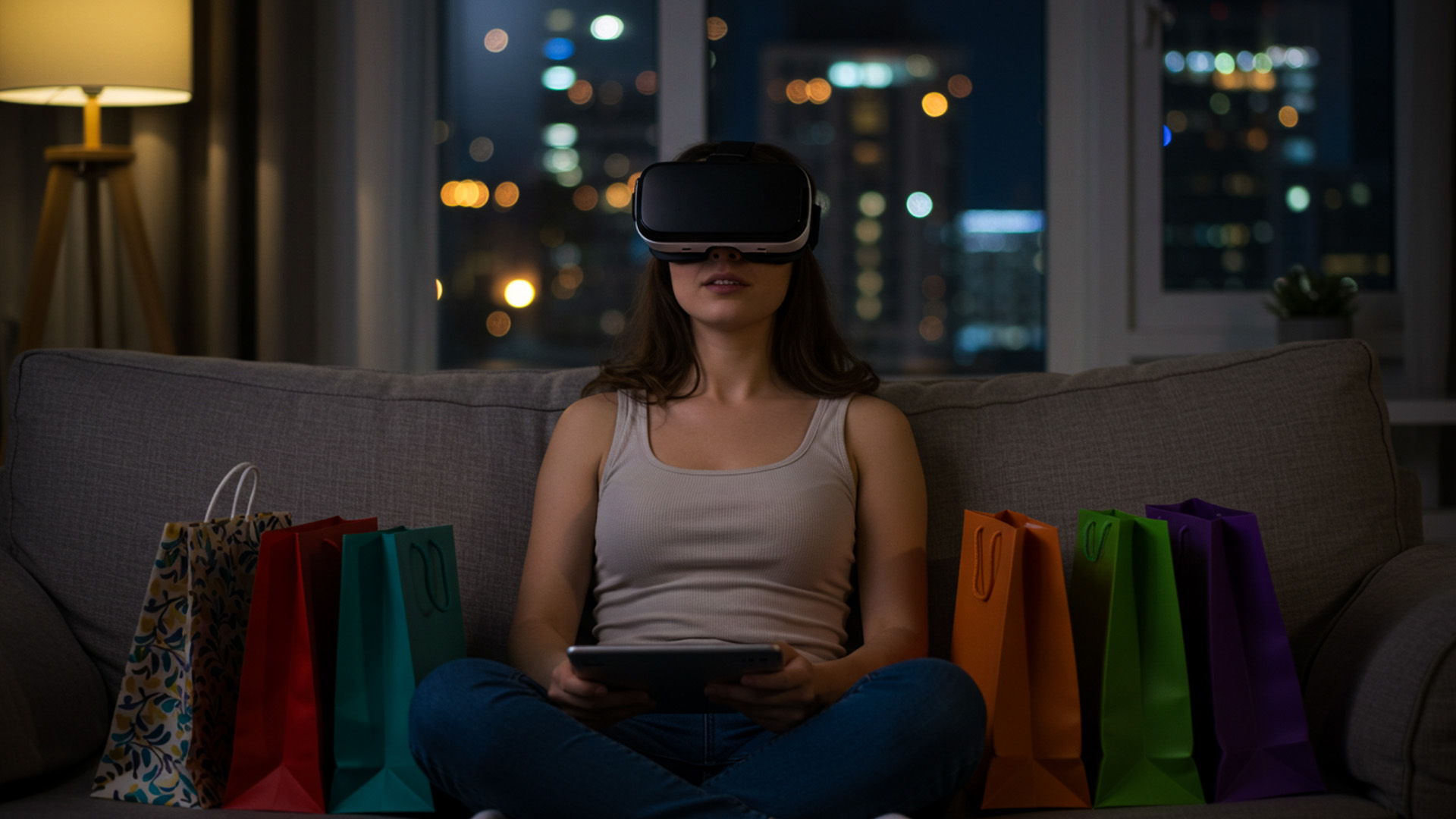
Challenges Opportunities In Ar Retail