

Beyond Gaming: How VR is Becoming the Boardroom's New Power Tool
Author
Breyten Odendaal
Date Published

The Evolution of Virtual Reality
When most people think of virtual reality, their minds often go straight to gaming headsets, immersive fantasy worlds, and adrenaline-fuelled experiences where the line between fiction and reality blurs. For years, VR has been marketed primarily as a medium of entertainment ' an expensive accessory for tech enthusiasts or gamers seeking heightened immersion. But as the technology matures, its relevance is rapidly shifting. Today, VR has evolved far beyond leisure. It is stepping into the polished corridors of corporate strategy, executive decision-making, and high-stakes negotiations, transforming not just how companies communicate, but how they think, plan, and lead.
The business world thrives on vision and clarity. For decades, executives relied on slideshows, data charts, and glossy printed reports to convey strategy. While useful, these tools often lack the dynamism needed to bring complex ideas to life. Virtual reality changes that paradigm entirely. By simulating real-world scenarios in three-dimensional space, VR introduces a layer of understanding that words and static visuals can rarely achieve. This evolution is perhaps the most telling sign that VR is no longer confined to play ' it has become a serious power tool for the boardroom.

Immersion as the New Business Language
At its core, the corporate world is about communication: leaders must convince stakeholders, inspire teams, and align people around shared visions. Traditional presentations often fail to bridge the gap between abstract strategy and tangible outcomes. A pie chart might show market share growth, but it rarely excites the imagination. VR, on the other hand, offers executives the ability to walk stakeholders through simulated environments where strategies come to life.
Imagine pitching a new retail concept not by describing it or showing artists' renderings, but by guiding investors through a fully realised virtual store, complete with shelves, displays, and a simulated flow of customers. Suddenly, the conversation shifts from theoretical to experiential. Decisions become more informed, as stakeholders can grasp scale, design, and functionality with visceral clarity. This type of immersion creates not just comprehension, but conviction.
The language of business has always been rooted in data, but data on its own can be sterile. VR adds texture, emotion, and physicality to otherwise cold numbers. It allows people to experience potential futures rather than just hear about them. And in an era where persuasion is currency, the ability to immerse an audience may be the most powerful communication tool of all.
Redefining Collaboration Across Distances
In a globalised economy, companies operate across continents, time zones, and cultures. Remote collaboration tools like Zoom and Microsoft Teams became lifelines during the pandemic, but they also revealed their limitations. Video calls flatten the human experience into tiles on a screen, and fatigue soon sets in. VR presents an alternative that preserves the sense of presence, even when people are physically apart.
Through virtual meeting rooms, executives can gather around a digital table, review 3D models, and brainstorm with the same energy and nuance as if they were together in person. Body language, spatial awareness, and eye contact return to the conversation, creating richer and more effective interactions. For multinational corporations, this means board meetings no longer require costly flights or complicated logistics ' they can unfold seamlessly within virtual environments, saving both time and resources without sacrificing quality of engagement.
The significance here goes beyond convenience. Decisions that might previously have taken weeks of travel and scheduling can now happen almost instantaneously. The velocity of collaboration increases, giving companies a competitive edge in industries where speed defines success. As VR platforms grow more sophisticated, integration with existing productivity tools will only strengthen their utility, making them not an add-on but a core component of corporate infrastructure.
Training Leaders for Tomorrow
Another dimension where VR is proving transformative is in executive training and leadership development. Traditional training methods rely heavily on theory, role-playing exercises, and case studies. While these approaches have merit, they often fall short of simulating the true pressure of high-stakes decision-making. VR, however, can replicate crisis scenarios, negotiation environments, and ethical dilemmas with remarkable realism.
For instance, a CEO-in-training could be placed in a virtual boardroom where stakeholders challenge a controversial acquisition, forcing them to respond dynamically and strategically. Or a senior manager could experience a simulated cyber-attack on their company, tasked with coordinating a response under pressure. These scenarios don't just test knowledge ' they test composure, adaptability, and leadership instincts in ways that static training cannot.
By immersing executives in lifelike simulations, VR helps build muscle memory for leadership. Mistakes can be made and lessons learned without real-world consequences, offering a safer yet equally impactful environment for growth. This approach is already gaining traction in industries like aviation and medicine, where simulation training has long been essential. The boardroom is simply the next frontier.
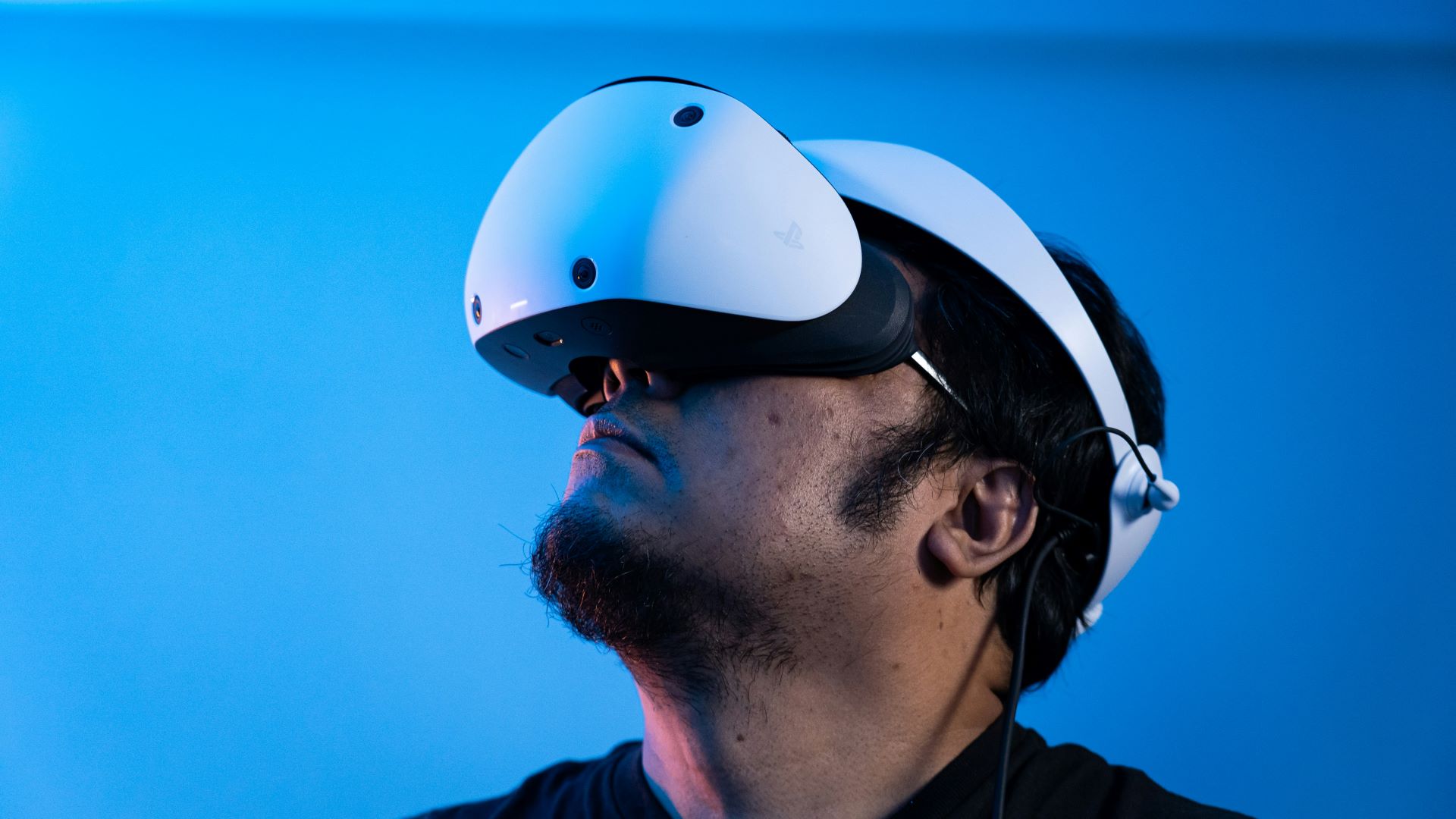
Visualising the Abstract
Corporate strategy is often criticised for being too abstract. Market share, consumer sentiment, competitive positioning ' these concepts can feel intangible, even to seasoned executives. VR offers a way to visualise the abstract in concrete, spatial terms.
Consider urban development projects where city planners, investors, and local governments must align on design and function. A traditional presentation might include blueprints and renderings. VR allows all parties to virtually walk the streets of the proposed development, experiencing scale, traffic flow, and architectural aesthetics firsthand. The same applies to corporate strategies such as supply chain optimisation. Instead of reviewing flowcharts, executives can navigate a virtual model of their global logistics, spotting bottlenecks and opportunities with a clarity that no spreadsheet could deliver.
In this sense, VR is not just a tool for presenting ideas but for discovering them. By experiencing strategy as a lived environment, executives can uncover insights that might otherwise remain hidden in abstract models. It becomes a medium for both storytelling and problem-solving.
The Shift from Novelty to Necessity
It would be easy to dismiss VR in the boardroom as a novelty ' a flashy toy for tech-savvy leaders looking to impress. But as with many technologies, novelty often gives way to necessity once its practical advantages become undeniable. Just as video conferencing went from optional to indispensable during the pandemic, VR is poised to become a foundational tool in corporate strategy.
The shift will not happen overnight. Barriers remain, from hardware costs to the need for intuitive interfaces that busy executives can adopt without steep learning curves. Yet these challenges are shrinking rapidly. Headsets are becoming lighter, more affordable, and more comfortable. Platforms are increasingly user-friendly, designed to integrate smoothly with existing enterprise software. And as the next generation of leaders ' digital natives who grew up with immersive technology ' ascend to executive roles, adoption will likely accelerate.
The corporate world has always been shaped by the tools it adopts. From typewriters to personal computers to smartphones, each leap in technology has redefined how leaders operate. VR is simply the next logical step in that evolution, offering not just incremental improvement but a paradigm shift in how business is conducted.
Ethical and Cultural Considerations
Of course, the adoption of VR in boardrooms also raises questions that extend beyond efficiency. What happens when leadership teams rely too heavily on simulated environments, potentially distancing themselves from the realities on the ground? Could immersive technology inadvertently create an echo chamber, where executives are swayed more by how persuasive a virtual simulation feels than by the underlying data?
Moreover, VR introduces cultural considerations. In some regions, the face-to-face meeting is deeply ingrained as a symbol of respect and authority. Virtual alternatives may not immediately carry the same weight. Companies must therefore balance innovation with cultural sensitivity, ensuring that VR complements rather than replaces the human touch that remains central to leadership.
Looking Ahead: The Future of the Virtual Boardroom
The trajectory is clear: VR is moving from peripheral experiment to central pillar in corporate strategy. In the near future, it is conceivable that every major company will maintain not just physical boardrooms but virtual ones ' always accessible, infinitely adaptable, and tailored to specific business needs. These environments may be used not only for meetings but for investor relations, global training programs, and even talent recruitment, where potential employees can be immersed in company culture before ever setting foot in an office.
Longer-term, as VR converges with augmented reality (AR) and artificial intelligence (AI), the possibilities expand even further. Executives may one day enter a virtual boardroom accompanied by AI-powered advisors capable of running simulations in real time, stress-testing strategies against countless scenarios at the push of a button. Decisions could be informed not just by data but by dynamic, lived experiences of potential outcomes, making leadership more adaptive and resilient than ever before.
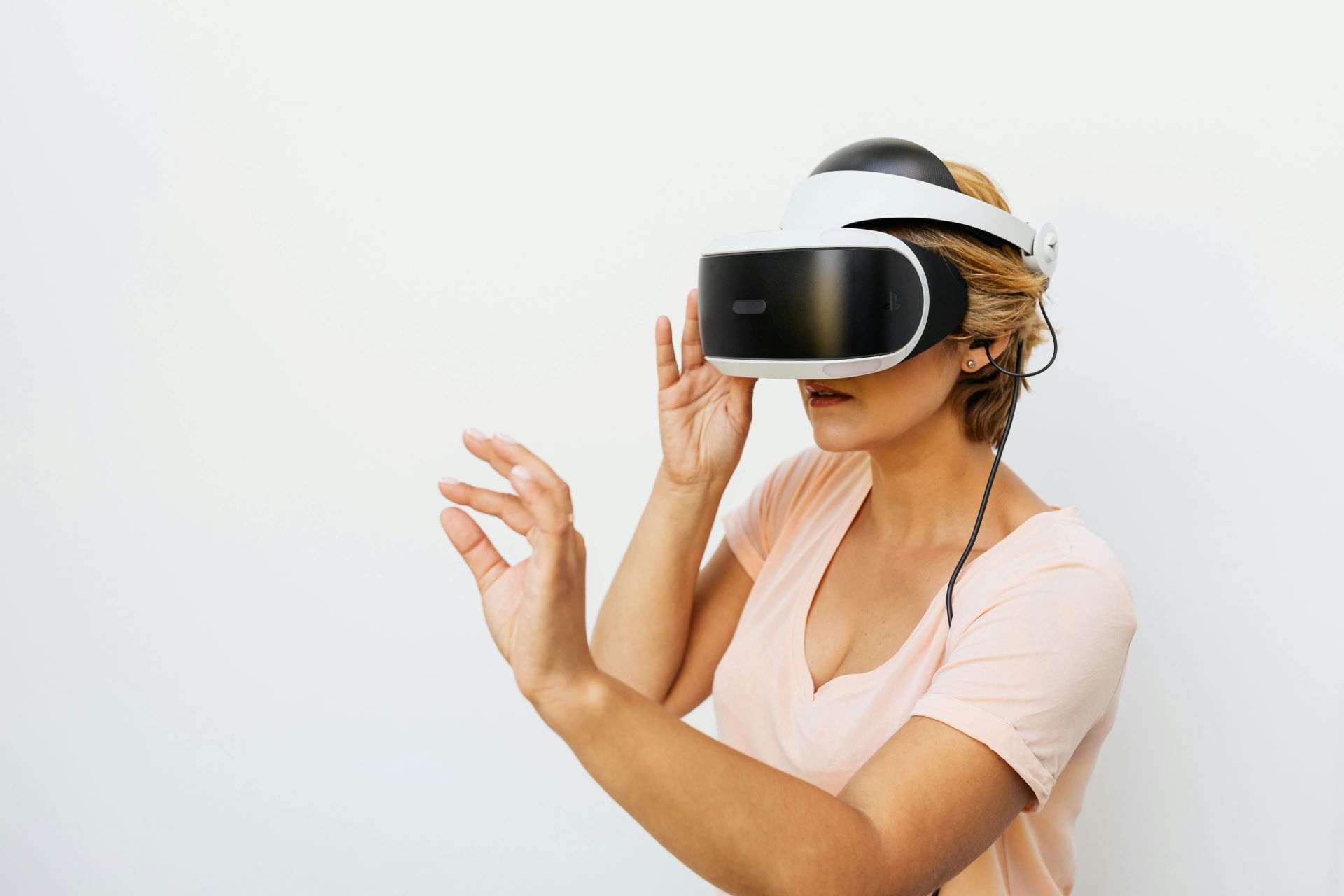
The story of VR has long been told through the lens of gaming and entertainment, but that narrative is changing rapidly. In the boardroom, VR is not about escape ' it is about engagement, empowerment, and enhanced decision-making. It brings clarity to complexity, presence to distance, and vision to strategy. As barriers to adoption continue to fall, it is only a matter of time before VR becomes not a novelty but a necessity in corporate leadership.
The companies that embrace this shift early will gain more than a technological edge ' they will gain the ability to lead with imagination, precision, and conviction in a world where business is increasingly defined by how well leaders can see, shape, and sell the future.