

Comparing VR Headsets
Author
Elisha Roodt
Date Published

Why Choosing the Right VR Headset Matters in 2024
Virtual reality (VR) has grown exponentially, transforming into an essential medium for entertainment, education, healthcare, and even remote work. In 2024, the variety of VR headsets on the market is staggering, with each offering different features like higher resolutions, wider fields of view, wireless capabilities, and advanced motion tracking. However, not all headsets provide the same level of performance. Picking the wrong headset could result in a subpar experience, leading to frustration with issues such as poor image quality, uncomfortable wear, or limited software compatibility. Conversely, selecting the right headset can unlock the full potential of VR, delivering seamless immersion and comfort. With innovations like augmented reality integration and eye-tracking becoming more common, understanding your specific needs and staying updated on the latest technology trends is more important than ever. Whether for gaming, education, design, or virtual social interactions, a well-chosen headset in 2024 can make a profound difference.
Understanding the Needs of Different VR Users: Gamers, Professionals, and Casual Enthusiasts
The variety of VR users today underscores the need for tailored solutions. Gamers, for example, demand high refresh rates and responsive tracking to avoid motion sickness during fast-paced gaming sessions. They also look for high-quality visuals and controllers that feel intuitive. Professionals, whether they're architects using VR for design reviews or remote workers engaging in virtual meetings, require headsets with long battery life, comfort for prolonged usage, and sharp accuracy in tracking movements. Casual enthusiasts exploring virtual social spaces or attending virtual events may prioritize ease of use, portability, and affordability. By understanding which category you fall into, you can better navigate the complex marketplace and find a VR headset that meets your specific goals'whether you need maximum performance, comfort, or simple plug-and-play usability.
Overview of the VR Market
Evolution of VR Headsets: From the Early Days to Today's Advanced Models
The evolution of VR headsets reflects a dramatic leap in technology. The early days of virtual reality were defined by pioneering devices like the Oculus Rift and HTC Vive, which, while groundbreaking, were tethered to high-performance PCs, making them less accessible to the average consumer. These early headsets were known for being bulky and costly, with intricate setups involving multiple external sensors for accurate tracking. As the technology matured, the introduction of the Oculus Quest in 2019 marked a significant turning point. This standalone headset removed the need for a powerful PC, offering users a more portable and user-friendly experience without sacrificing immersion. Over the years, advancements in display quality, tracking, and comfort have become the new standard. Today's VR headsets, like the Meta Quest 3 and the PSVR 2, incorporate features like 6DoF (six degrees of freedom) tracking, high refresh rates, and mixed reality integration, allowing users to easily switch between virtual environments and the real world. This progress has made VR accessible, portable, and incredibly versatile.
The Impact of Technology Trends: Standalone, Tethered, and Mixed Reality Headsets
In 2024, VR technology is largely defined by three types of headsets: standalone, tethered, and mixed reality models. Standalone headsets, such as the Meta Quest 3, have gained popularity due to their convenience and portability, offering a wireless, all-in-one solution for VR experiences. These models are ideal for casual users or those who prioritize ease of use, though they may lack the graphical power and customization options of their tethered counterparts. Tethered headsets, like the HTC Vive Pro or Valve Index, provide superior performance with cutting-edge graphics, accurate tracking, and wider fields of view, but they require connection to a powerful PC or gaming console, limiting mobility. Finally, mixed reality headsets, such as the Microsoft HoloLens or Meta's upcoming offerings, blend augmented and virtual reality, offering users the ability to interact with digital objects while remaining anchored in the physical world. Each category serves a distinct purpose, and understanding these differences is crucial for choosing a device that fits your needs.
Key Features to Consider When Buying a VR Headset
Display Resolution and Refresh Rates: How They Affect Visual Experience
When it comes to VR, display resolution plays a crucial role in how immersive and lifelike the experience feels. A high-resolution display helps to minimize the "screen door" effect, where users can see the grid lines between pixels, disrupting immersion. This is especially important for applications requiring detailed visuals, like simulations, design work, or fast-paced games where clarity is key. The more pixels per inch (PPI), the sharper and more vibrant the images, contributing to an enhanced sense of presence in virtual worlds. Similarly, refresh rates'the speed at which the screen updates'greatly affect how smooth and responsive the visuals appear. A higher refresh rate, such as 90Hz or 120Hz, provides fluid motion, which is particularly beneficial for fast-moving scenes and can significantly reduce motion sickness. Gamers and professionals in fields like design or VR training will benefit from higher refresh rates for precise and comfortable interaction, while casual users may find lower specs sufficient for less demanding experiences. However, choosing a headset with the right balance of resolution and refresh rate can make or break the VR experience.
Tracking Systems: Inside-out vs. Outside-in Tracking for Precision and Freedom
Tracking technology in VR determines how well the system interprets and reflects the user's physical movements in the virtual environment. Inside-out tracking, used in headsets like the Meta Quest series, incorporates sensors built into the headset itself, eliminating the need for external hardware. This setup allows for greater freedom of movement, easier installation, and portability, making it popular with gamers and casual users who value convenience. On the other hand, outside-in tracking relies on external sensors placed around the room, as seen in systems like the HTC Vive Pro. This approach offers more precise tracking, ideal for complex environments where high accuracy is required, such as in professional simulations or architectural design. The trade-off is that setting up external sensors can be cumbersome and limit mobility. Understanding these differences allows users to choose a system that best fits their needs, whether it's ease of use or pinpoint accuracy.
Controllers and Input Methods: Enhancing Immersion Through Haptics and Design
Controllers are a key interface between the user and virtual environments, and their design can significantly impact the depth of immersion. Modern VR controllers, such as those in the Meta Quest or Valve Index, offer more than just buttons and joysticks'they integrate advanced haptics, which provide tactile feedback to simulate the feeling of real-world objects. These vibrations and force feedback mechanisms add a layer of realism to interactions, making users feel like they are truly touching or manipulating virtual objects. Additionally, some systems are moving beyond traditional controllers with innovations like hand tracking, which allows users to interact with the virtual environment using only their hands. This can enhance immersion further, as the user's natural movements are directly mapped in VR. Comfort, battery life, and button placement are critical factors that influence long-term usability, especially for those who spend hours in VR. Well-designed controllers or input methods can elevate the experience from merely functional to deeply engaging, drawing the user further into the virtual world.
Analyzing Popular VR Headsets in 2024
Meta Quest 3: The King of Standalone VR or Overhyped?
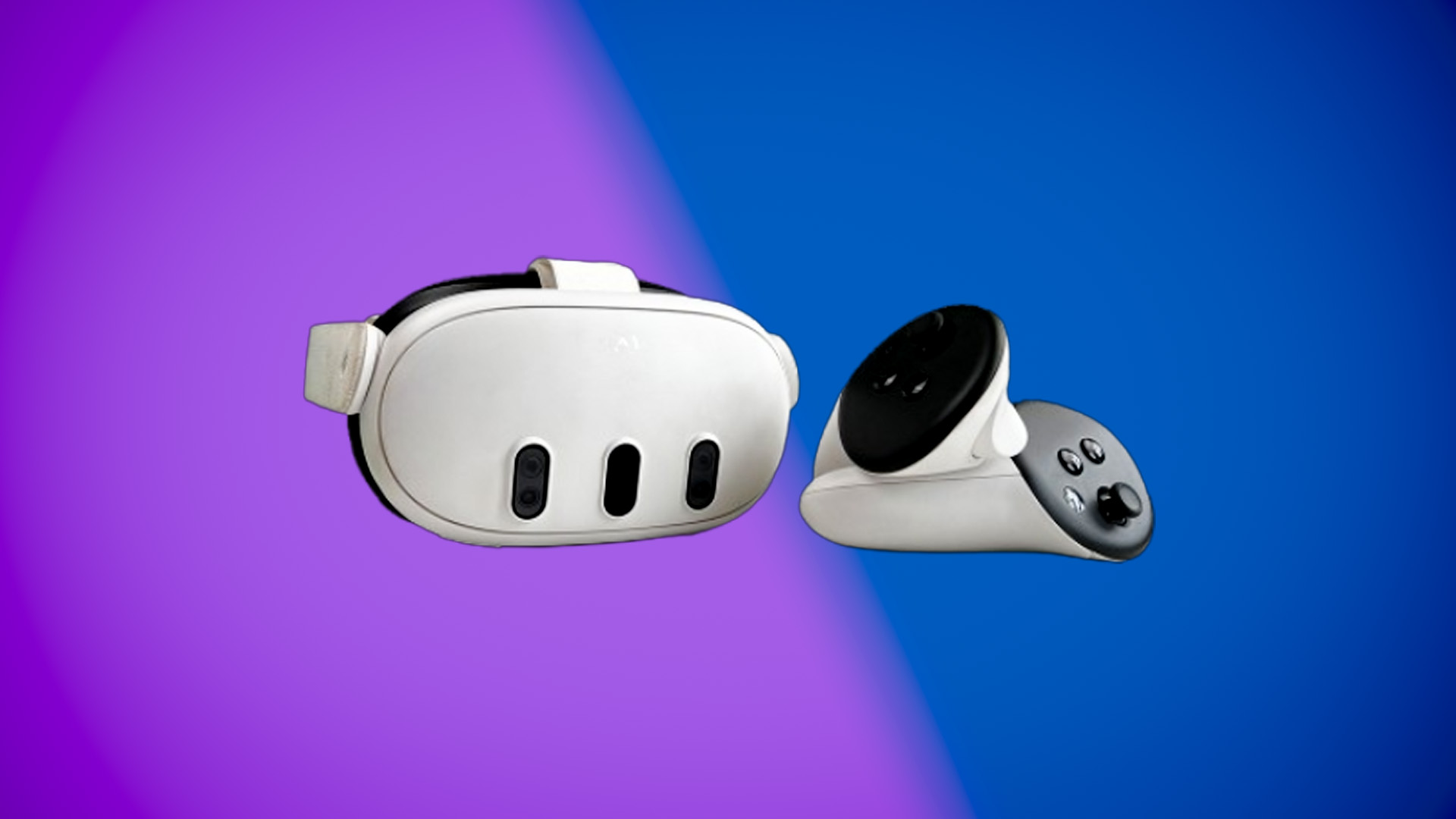
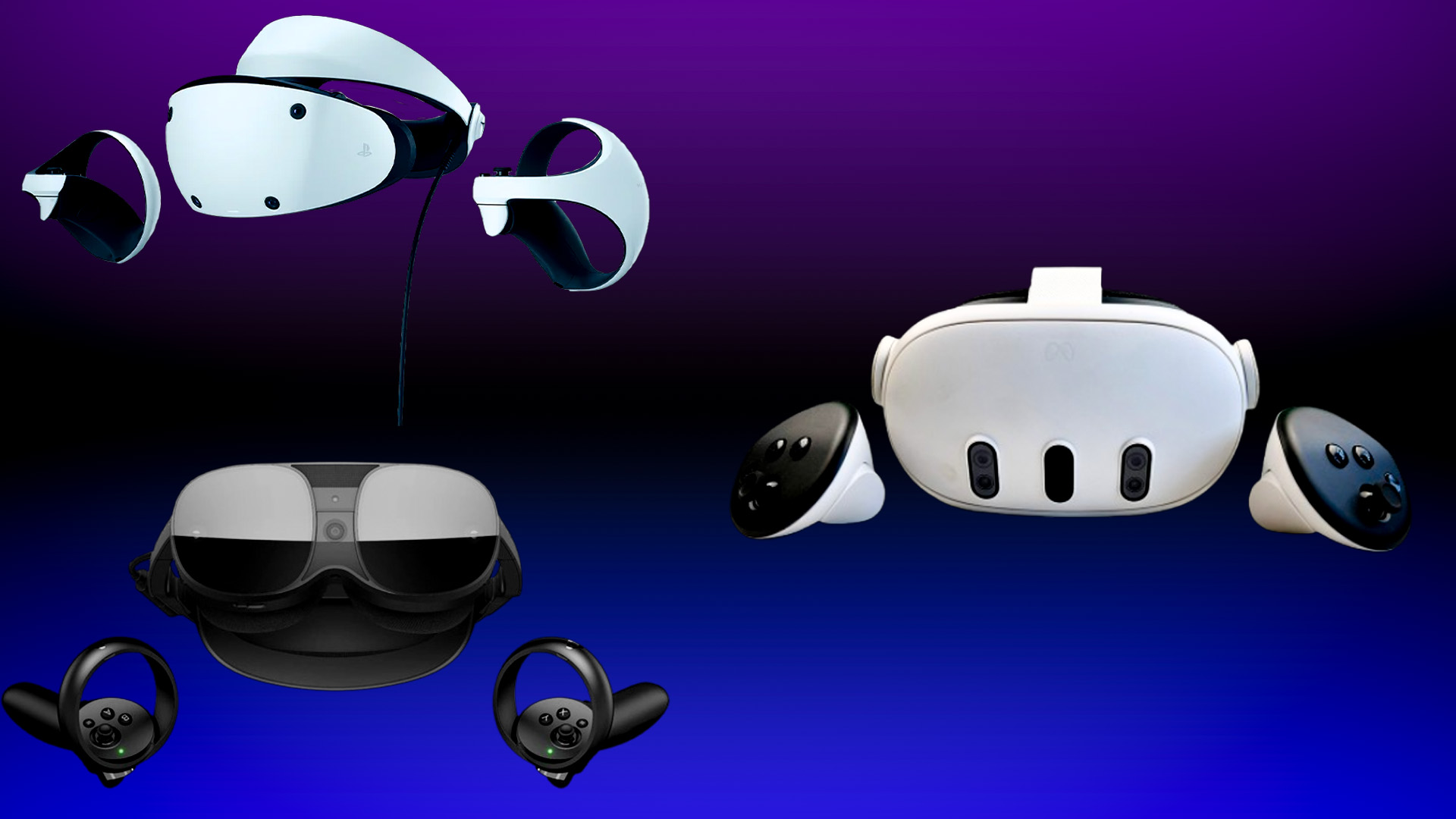
The Meta Quest 3 has generated significant buzz as the latest iteration of Meta's successful standalone VR line, boasting upgrades in display resolution, processing power, and mixed reality capabilities. Its lightweight design and untethered freedom make it appealing to both new users and VR enthusiasts looking for an all-in-one device. However, the question remains whether these improvements justify its higher price compared to the Quest 2. While the Meta Quest 3 offers ease of use, portability, and an impressive selection of VR content, its graphics performance may still fall short for power users, especially in comparison to PC-tethered systems. The Quest 3's Snapdragon XR2 Gen 2 chipset is faster, but demanding applications like high-end gaming or detailed simulations might reveal its limitations. For casual VR users or those primarily interested in social VR, fitness apps, or basic gaming, the Quest 3's accessibility and mixed reality features make it a strong contender. However, hardcore gamers or professionals might question whether its capabilities justify the price tag, especially in a market where tethered systems can offer more power.
PlayStation VR2: Perfect for Console Gamers but How Does It Compare?
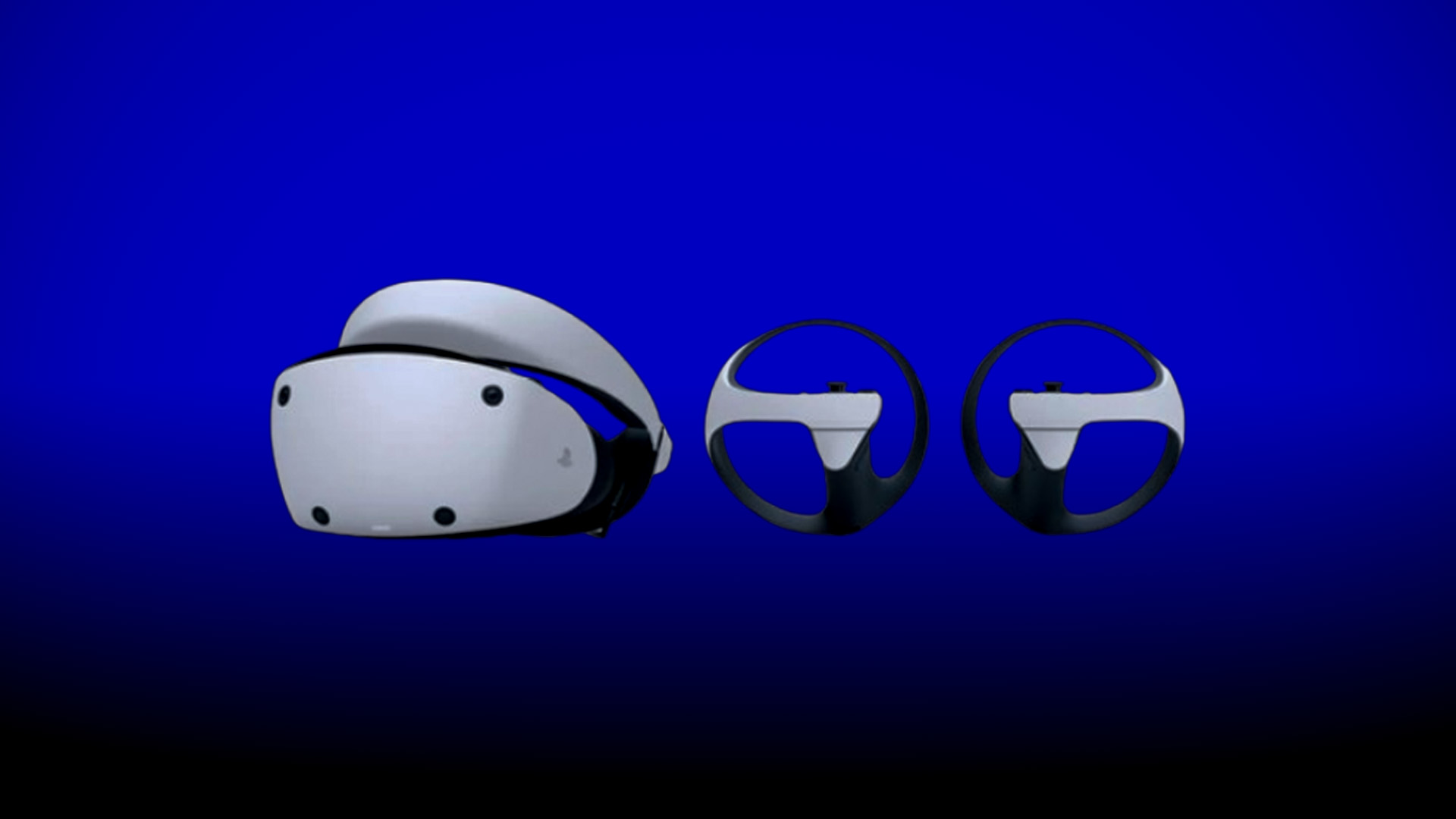
The PlayStation VR2 delivers a stellar experience for console gamers, leveraging the power of the PlayStation 5 to deliver rich visuals, fast load times, and seamless integration with top-tier games. Featuring enhanced tracking, eye-tracking, and haptic feedback in both the controllers and the headset, it offers an incredibly immersive experience for PlayStation fans. However, its reliance on a tether to the PS5 limits its appeal beyond the gaming sphere. For gamers seeking a VR system that maximizes their PS5 investment, the PS VR2 is an excellent choice, providing console-based VR at a reasonable price point. But compared to standalone systems like the Meta Quest 3, it lacks portability and versatility. PC gamers or those who want access to a broader library of content across different platforms might feel restricted, as the PlayStation VR2 remains confined to Sony's ecosystem.
HTC Vive XR Elite and Pro Models: Targeting Professionals with Premium Features
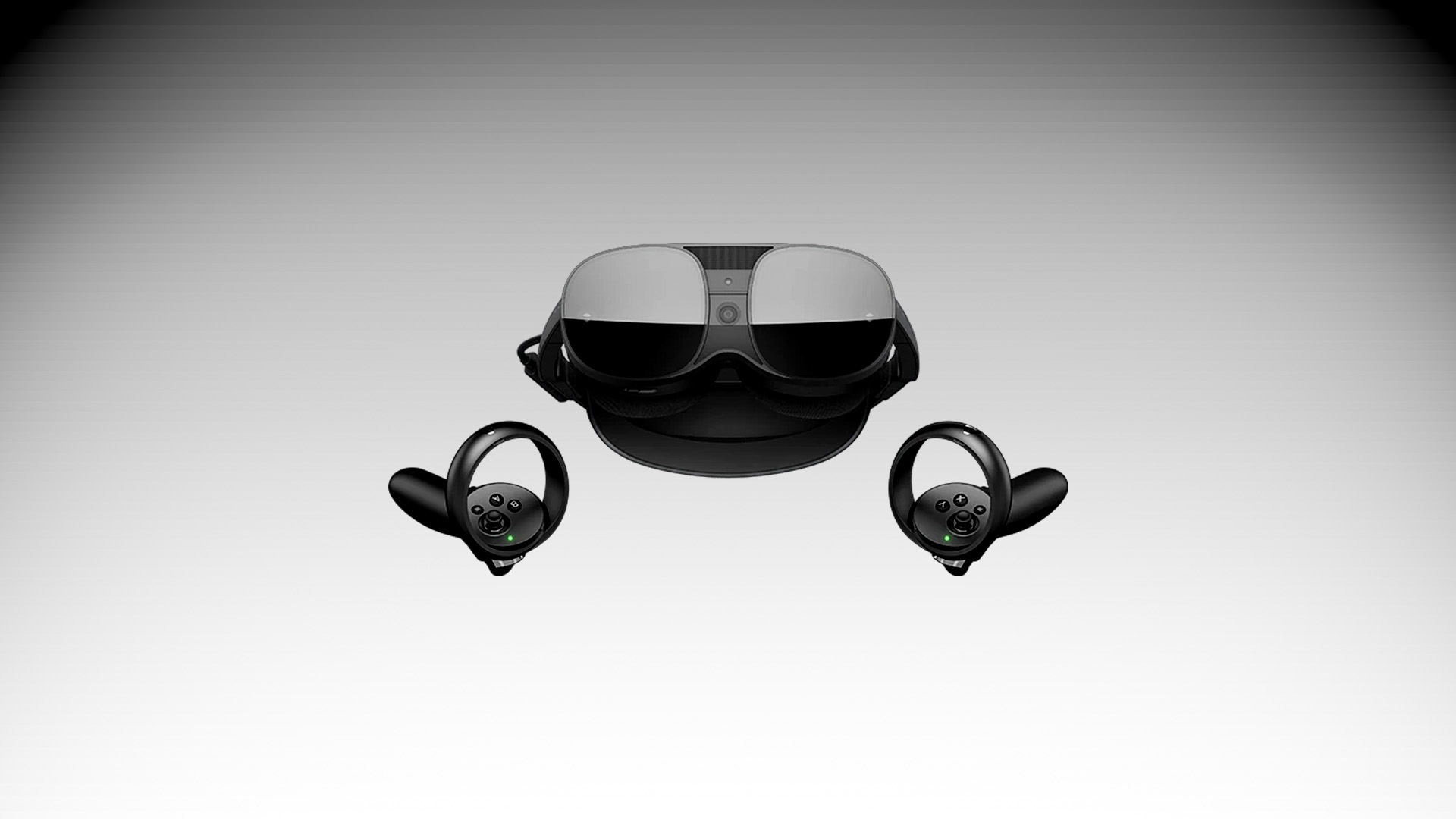
The HTC Vive XR Elite and Pro models are designed with professionals in mind, offering features that go far beyond casual VR use. With high-resolution displays, advanced tracking systems, and a modular design that allows for customization, these headsets cater to architects, designers, and researchers who need precise, reliable performance. The XR Elite and Pro models also support mixed reality, making them ideal for industries that blend physical and digital worlds, such as product design and virtual prototyping. However, their price tags reflect their advanced capabilities, positioning them out of reach for many casual users. For those in need of high-fidelity visuals, superior tracking, and long-term comfort, these models are worth the investment. But for general entertainment or gaming, the cost may be hard to justify, especially when more affordable options like the Meta Quest 3 or PlayStation VR2 exist. Ultimately, the HTC Vive XR line excels in delivering premium, professional-grade experiences, but its niche appeal makes it less relevant to the broader consumer market.
Comparing Performance and Use Cases
Which VR Headsets Offer the Best Gaming Experience?
For gamers, the ideal VR headset strikes a balance between performance, immersion, and compatibility with their preferred gaming platforms. The Meta Quest 3 offers a standout experience for casual and wireless gaming, with its portability and ease of use making it a great option for on-the-go VR. Its untethered design and access to a broad library of games via the Meta Store make it especially appealing for users seeking convenience and variety. The PlayStation VR2, meanwhile, is the go-to choice for console gamers, offering seamless integration with the PS5 and exclusive access to high-quality, immersive games with haptic feedback, eye tracking, and stunning visuals. For competitive gamers or those who prioritize graphical fidelity and responsiveness, the HTC Vive Pro is a top choice. This tethered headset delivers cutting-edge visuals, low latency, and precise tracking, making it perfect for fast-paced, high-performance VR titles. Gamers should consider their platform preference (PC, console, or standalone) and how much mobility or graphical power they prioritize before choosing the best headset.
Productivity in VR: Which Models are Ideal for Virtual Meetings and Creative Tasks?
When it comes to productivity in VR, comfort, precision, and collaborative capabilities are key. The HTC Vive XR Elite and Vive Pro are excellent choices for professionals, offering high-resolution displays and precise tracking that are essential for tasks like 3D modeling or virtual design. These headsets are equipped with modular components and integrated audio, making them ideal for extended use in virtual meetings and creative collaboration. For creative professionals, applications like Tilt Brush or Gravity Sketch require intuitive controllers, and the Vive Pro's controllers are designed for precision and comfort, making creative tasks more fluid. The Meta Quest 3 is also a solid option for those working in more casual or remote environments, with its easy setup and access to collaborative apps like Horizon Workrooms. The lightweight design and wireless setup minimize physical strain during long work sessions, and its mixed reality features make it versatile for both productivity and creativity.
Exploring Fitness, Meditation, and Educational Use Cases
VR is increasingly being used for fitness, meditation, and educational purposes. For fitness, applications like Supernatural and Beat Saber require headsets with high tracking accuracy, low latency, and a high refresh rate to ensure that users can keep up with fast, intense movements. The Meta Quest 3 excels in this area, with its wireless design allowing for unrestricted movement during workouts. For meditation and mindfulness apps like Tripp, lighter headsets with simple interfaces are ideal. The Meta Quest 3 or even the older Oculus Go can offer calming, distraction-free environments that help users focus on relaxation. In education, immersive learning tools are growing, and headsets like the Meta Quest 3 provide access to virtual classrooms, historical simulations, and interactive learning experiences. The portability, ease of use, and affordability of standalone headsets make them excellent for educational settings, allowing students to dive into rich, immersive content from anywhere.
Price vs. Value: Getting the Most for Your Budget
Affordable Options for Beginners and Casual Users
For those new to virtual reality or casual users not looking to spend too much, affordable headsets still deliver great experiences without sacrificing quality. The Meta Quest 2 stands out as one of the best budget-friendly options. Priced reasonably compared to high-end models, it offers a wireless, all-in-one experience with solid performance, decent resolution, and access to a large library of games and applications. Its ease of setup and no need for external sensors make it incredibly user-friendly, perfect for beginners exploring VR for the first time. The Quest 2 also supports both standalone and tethered gameplay, giving users flexibility if they wish to connect it to a PC for more advanced content. For casual use'whether gaming, social interaction, or basic fitness apps'the Meta Quest 2 strikes an excellent balance between cost and functionality.
High-End Models for Power Users and Professionals: Are They Worth It?
High-end VR headsets like the HTC Vive Pro or Valve Index are designed with power users and professionals in mind, offering top-tier performance in resolution, tracking precision, and overall immersion. These headsets feature superior displays, wider fields of view, and highly responsive controllers that are critical for industries like architecture, design, simulation, and competitive gaming. For professionals working in fields where VR is an integral tool'such as 3D modeling, virtual collaboration, or medical simulations'the advanced tracking systems and modular options of these high-end headsets can significantly enhance productivity and accuracy. However, the premium price tag of these headsets warrants careful consideration. If the specific features'such as external tracking sensors, high refresh rates, or modular add-ons'directly contribute to your work or gaming needs, the investment can be worthwhile. But for those who don't require such precision or use VR primarily for casual entertainment, more affordable models like the Meta Quest 3 or PlayStation VR2 may offer better value without the steep financial commitment.
Choosing the Right Headset Based on Your Needs
Best VR Headset for Gamers: Immersive Experiences and Futureproof Technology
For gamers, immersion and performance are critical, and choosing a VR headset that can keep up with the latest game titles is essential. The Meta Quest 3 offers wireless freedom, making it ideal for casual gamers who want flexibility without being tethered to a console or PC. With its high-resolution display and improved processing power, the Quest 3 ensures smooth gameplay with a vast library of games available on the Meta Store. For console gamers, the PlayStation VR2 is a top contender, providing seamless integration with the PS5 and features like haptic feedback, adaptive triggers, and stunning visuals to enhance immersion in exclusive titles. Gamers looking for futureproof devices should prioritize headsets that support high refresh rates (90Hz or above), low latency, and compatibility with evolving platforms. This ensures that as new games and updates are released, their VR experience will remain smooth, responsive, and cutting-edge.
Best VR Headset for Professionals: Balancing Performance and Comfort for Long Sessions
For professionals working in VR, whether in creative fields, engineering, or remote collaboration, comfort and high-performance features are essential. The HTC Vive XR series offers a perfect balance, with ergonomic design, high-resolution displays, and precise tracking that make long work sessions more comfortable. Modular options allow users to customize the setup with different accessories, such as enhanced tracking systems or hand controllers, depending on their needs. The XR Elite and Pro models also offer built-in audio and weight distribution designed for prolonged use, reducing strain during intensive projects like 3D modeling or virtual meetings. For professionals who rely on VR daily, the Vive XR's advanced features, such as eye tracking and mixed reality capabilities, enable efficient workflow and creative freedom.
Best VR Headset for Casual Users: Portability and Ease of Use
For casual users, simplicity, portability, and ease of use are the top priorities when choosing a VR headset. The Meta Quest 3 stands out as the ideal solution, offering an all-in-one, wireless experience with no need for external hardware or complicated setup. Its compact and lightweight design makes it easy to transport and set up, perfect for users who want to occasionally dive into VR for entertainment, social interaction, or light gaming. With a wide range of accessible apps and games, the Quest 3 offers versatility while remaining user-friendly, ensuring that even those new to VR can enjoy seamless virtual experiences without the hassle of cables or additional equipment.
Final Thoughts
Matching the Right Headset to the User for Maximum Satisfaction
Choosing the right VR headset is about understanding the user's specific needs to ensure a fulfilling experience. Gamers prioritize high refresh rates, low latency, and immersive environments, making devices like the PlayStation VR2 or Meta Quest 3 ideal depending on their platform of choice. Professionals need headsets that balance performance and comfort for long sessions, such as the HTC Vive XR series, which offers ergonomic design and advanced tracking for creative and collaborative tasks. Casual users value ease of use and portability, making the Meta Quest 3 a standout option with its simple setup and wireless functionality. By aligning the right headset with user expectations, whether for gaming, work, or relaxation, the investment in VR technology becomes more rewarding.
The Future of VR Headsets: What to Expect in the Coming Years
The future of VR is set to bring even more exciting advancements. As technology continues to evolve, VR headsets will become lighter, more powerful, and more integrated into everyday life. Innovations in haptics will enable users to physically feel interactions in the virtual world, enhancing immersion. Eye-tracking technology is expected to revolutionize how users interact with VR environments, offering more intuitive controls and reducing motion sickness by rendering only where the user is looking. Mixed reality headsets that blend the physical and virtual worlds will become more prevalent, expanding the potential use cases for both personal and professional applications. With ongoing developments, the VR experience will become more seamless, affordable, and immersive, opening new possibilities for entertainment, education, and productivity. The next generation of VR headsets promises to push the boundaries of virtual reality, bringing more users into the fold.
Choosing The Right Headset Based On Your Needs