VR for Sustainable Innovation
Author
Elisha Roodt
Date Published

Exploring the Intersection of Virtual Reality and Sustainability
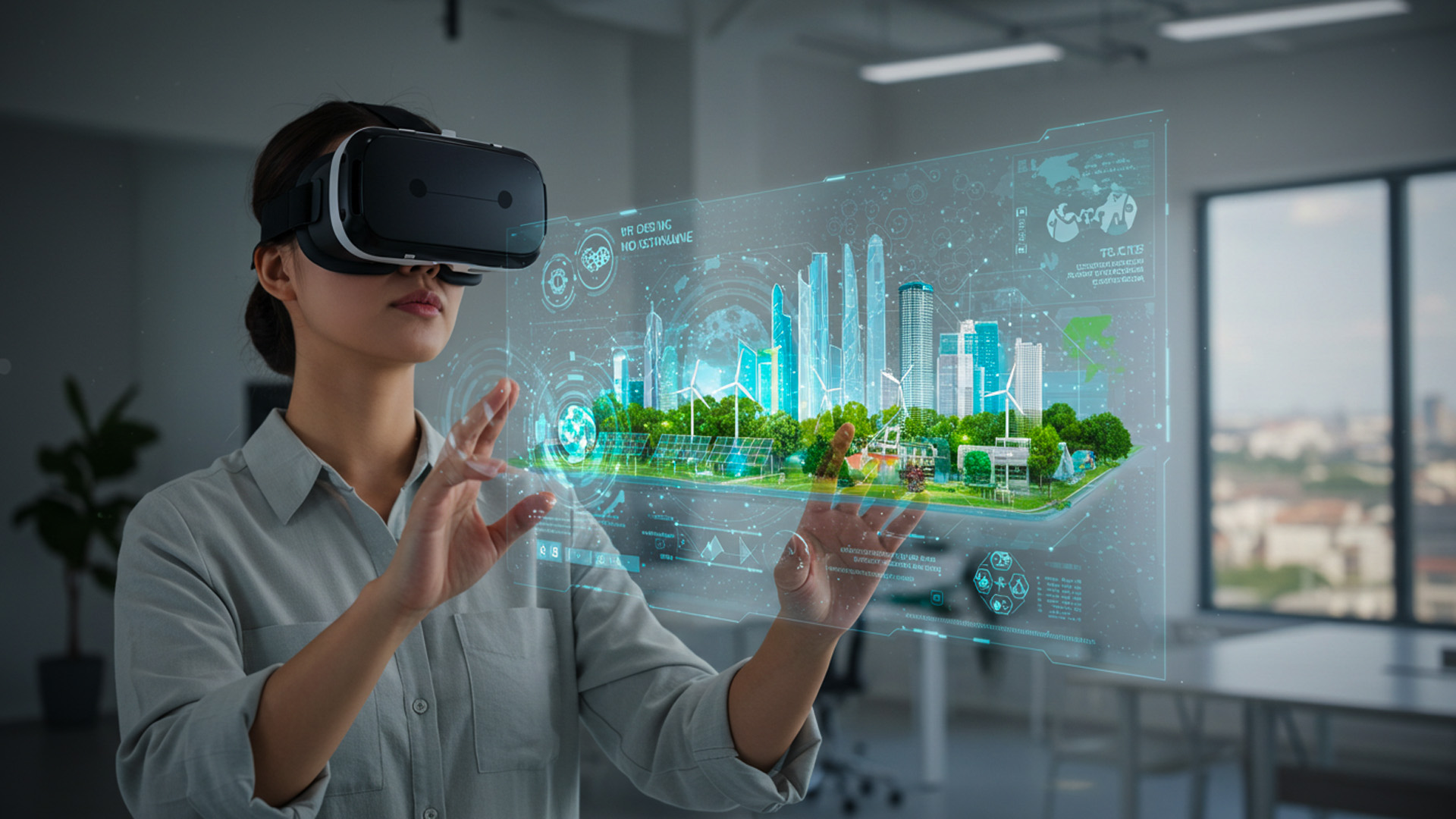
In an era where sustainability is no longer optional but imperative, industries across the spectrum are seeking innovative solutions to reduce their environmental footprint. Virtual Reality (VR) emerges as a transformative tool, offering unprecedented opportunities to revolutionize sectors like tourism, architecture, and retail. By simulating real-world environments and experiences, VR not only enhances operational efficiencies but also fosters eco-friendly practices. Let's delve into how VR is catalyzing sustainable advancements in these key industries.
Virtual Tourism: Redefining Travel with Environmental Consciousness
Immersive Experiences Reducing Physical Travel
Imagine embarking on a breathtaking journey to the Amazon rainforest without leaving your living room. Virtual tourism leverages VR to create vivid, interactive experiences that replicate the allure of distant destinations. This technological marvel significantly diminishes the need for physical travel, thereby reducing carbon emissions associated with transportation. Airlines, cruise lines, and tour operators are increasingly adopting VR to offer virtual tours, allowing enthusiasts to explore the world sustainably.
The environmental benefits extend beyond reduced travel emissions. By providing realistic alternatives, VR mitigates the wear and tear on natural sites caused by mass tourism. Fragile ecosystems, such as coral reefs and historical landmarks, remain pristine, preserving their integrity for future generations. Virtual tours also democratize travel, making it accessible to individuals with mobility challenges or financial constraints, fostering inclusivity while championing sustainability.
Enhancing Conservation Efforts through VR Simulations
Virtual Reality serves as a potent tool for conservationists aiming to protect endangered species and habitats. Through immersive simulations, researchers and policymakers can visualize the impact of various conservation strategies in a controlled, risk-free environment. For instance, VR models can predict the outcomes of reforestation projects, wildlife corridors, or anti-poaching measures, enabling data-driven decisions that enhance effectiveness and sustainability.
Educational initiatives also benefit from VR by raising awareness about environmental issues. Interactive experiences that showcase the consequences of deforestation, climate change, and pollution engage audiences more deeply than traditional media. By fostering a profound understanding of ecological challenges, VR inspires collective action towards sustainable practices, bridging the gap between awareness and tangible environmental stewardship.
Revolutionizing Hospitality with Virtual Previews
The hospitality industry is leveraging VR to offer potential guests virtual previews of accommodations and amenities. Hotels and resorts create detailed VR tours that allow visitors to explore rooms, facilities, and surrounding areas before making a booking decision. This not only enhances customer satisfaction by setting accurate expectations but also reduces the need for physical site visits, conserving resources and minimizing the carbon footprint associated with traditional marketing methods.
VR enables hotels to experiment with sustainable designs and operational changes virtually before implementation. By simulating energy-efficient layouts, waste management systems, and eco-friendly materials, hospitality businesses can optimize their sustainability strategies with minimal resource expenditure. This proactive approach accelerates the adoption of green practices, ensuring that environmental considerations are seamlessly integrated into the guest experience.
Architectural Innovation: Building Sustainable Futures with VR
Streamlining Design Processes for Eco-Friendly Architecture
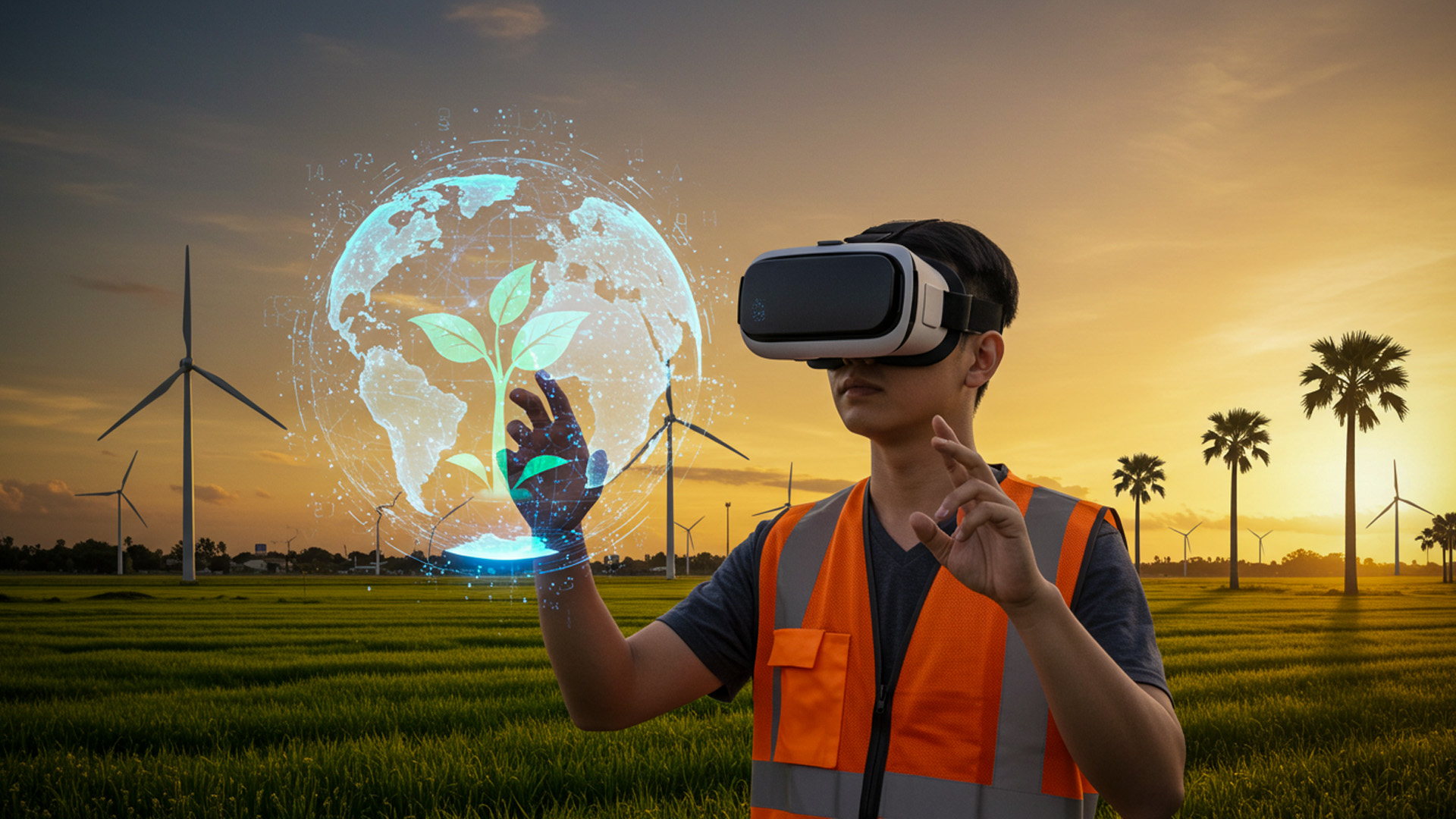
Architects are increasingly turning to Virtual Reality to streamline the design process, enabling the creation of sustainable structures with greater precision and efficiency. VR allows for real-time visualization of architectural plans, facilitating iterative design improvements that enhance energy efficiency, material usage, and overall environmental impact. By immersing themselves in virtual models, architects can identify and rectify potential sustainability issues early in the design phase, reducing costly revisions and resource wastage.
VR fosters collaborative design practices, bringing together architects, engineers, and clients in a shared virtual space. This collective approach ensures that sustainability goals are aligned and integrated seamlessly into the architectural vision. Enhanced communication and visualization capabilities of VR lead to more informed decision-making, resulting in buildings that are not only aesthetically pleasing but also environmentally responsible.
Virtual Prototyping for Material Innovation
The exploration of innovative, sustainable materials is pivotal in modern architecture. Virtual Reality facilitates the prototyping of new materials by simulating their performance under various conditions without the need for physical samples. Architects and material scientists can test the durability, thermal properties, and aesthetic qualities of eco-friendly materials within a virtual environment, accelerating the development and adoption of sustainable building components.
This virtual experimentation reduces the dependency on resource-intensive physical prototyping, conserving raw materials and minimizing waste. Additionally, VR enables the visualization of how different materials interact within a building's design, ensuring harmonious integration that maximizes both functionality and sustainability. The ability to iterate rapidly in a virtual setting fosters a culture of innovation, driving the architectural industry towards greener, more resilient structures.
Enhancing Energy Efficiency through VR Simulations
Energy efficiency is a cornerstone of sustainable architecture, and VR plays a crucial role in optimizing building performance. Through immersive simulations, architects can analyze how buildings interact with their environment, assessing factors such as natural lighting, ventilation, and thermal insulation. VR models can simulate energy consumption patterns, allowing for the identification and implementation of strategies that reduce reliance on non-renewable energy sources.
By visualizing energy flows and environmental impacts in a virtual space, architects can design buildings that harmonize with their surroundings and operate with minimal environmental disruption. This holistic approach not only lowers the operational costs of buildings but also contributes to broader sustainability goals by reducing greenhouse gas emissions and promoting energy conservation.
Retail Transformation: Sustainable Shopping in Virtual Spaces
Virtual Showrooms Minimizing Physical Footprint
Retailers are embracing Virtual Reality to create immersive showrooms that showcase products in a virtual setting. This innovation reduces the need for expansive physical stores, cutting down on energy consumption and material resources associated with traditional retail spaces. Virtual showrooms offer a dynamic platform where customers can explore products in detail, enhancing the shopping experience while promoting sustainability.
The shift to virtual retail spaces also diminishes the environmental impact of transportation related to both customers visiting stores and the logistics of stocking physical inventory. By centralizing product displays in a digital realm, retailers can streamline supply chains, reduce packaging waste, and lower the carbon footprint of their operations. This transformation aligns with consumer demand for eco-friendly practices, positioning retailers as responsible stewards of the environment.
Enhancing Supply Chain Transparency with VR
Transparency in the supply chain is essential for sustainable retail, and Virtual Reality provides an effective means to achieve it. Through VR, retailers can create detailed, interactive maps of their supply chains, allowing stakeholders to trace the origin and journey of products from raw materials to finished goods. This visibility ensures adherence to ethical sourcing practices, environmental regulations, and sustainability standards.
Consumers increasingly prioritize brands that demonstrate transparency and accountability in their supply chains. VR-powered supply chain visualization enables retailers to showcase their commitment to sustainability, fostering trust and loyalty among environmentally conscious consumers. Additionally, this transparency facilitates the identification and mitigation of inefficiencies, promoting continuous improvement in sustainable practices throughout the supply chain.
Personalized Sustainable Shopping Experiences
Virtual Reality enables retailers to offer personalized shopping experiences that cater to individual preferences while promoting sustainable choices. By analyzing customer behavior and preferences within a virtual environment, retailers can curate product recommendations that align with sustainable values, such as eco-friendly materials, ethical manufacturing processes, and minimal environmental impact.
This tailored approach not only enhances customer satisfaction but also encourages the adoption of sustainable products. VR can simulate how products fit into customers' lives, providing insights into their functionality and environmental benefits. By making sustainability an integral part of the shopping journey, retailers can influence consumer behavior towards more responsible purchasing decisions, driving the demand for sustainable goods.

Cross-Industry Synergies: VR as a Catalyst for Broad-Spectrum Sustainability
Facilitating Interdisciplinary Collaboration through Virtual Platforms
Virtual Reality serves as a bridge connecting diverse industries, fostering interdisciplinary collaboration that enhances sustainability initiatives. By providing a shared virtual workspace, VR enables professionals from tourism, architecture, retail, and other sectors to collaborate seamlessly, exchanging ideas and best practices. This cross-pollination of knowledge accelerates the development of holistic sustainability solutions that address complex, multifaceted challenges.
For example, architects and tourism developers can work together within a virtual environment to design eco-friendly resorts that harmonize with natural landscapes. Retailers and supply chain experts can collaborate to optimize logistics and reduce environmental impact. These synergistic partnerships, facilitated by VR, lead to innovative approaches that transcend industry boundaries, promoting comprehensive and sustainable progress.
Virtual Training for Sustainable Practices
Training and education are pivotal in cultivating a workforce equipped with the skills and knowledge to implement sustainable practices. Virtual Reality offers immersive training programs that simulate real-world scenarios, allowing employees to practice and refine their skills in a risk-free environment. Whether it's teaching architects about energy-efficient design, training tourism operators in sustainable management, or educating retail staff on ethical sourcing, VR provides an effective platform for experiential learning.
These virtual training modules enhance retention and understanding by engaging learners through interactive and realistic simulations. By fostering a deeper comprehension of sustainability principles, VR-trained professionals are better prepared to apply eco-friendly practices in their respective fields. This widespread adoption of VR-based training contributes to a culture of sustainability across industries, driving collective progress towards environmental goals.
Virtual Marketplaces for Sustainable Innovation
Virtual Reality facilitates the creation of virtual marketplaces where innovators can showcase sustainable technologies and solutions. These digital hubs connect entrepreneurs, investors, and industry leaders, fostering the exchange of ideas and the development of eco-friendly innovations. Virtual trade shows, exhibitions, and networking events expand the reach and impact of sustainable initiatives, enabling broader participation and collaboration.
In these virtual marketplaces, stakeholders can interact with prototypes, attend presentations, and engage in discussions without the environmental costs associated with physical events. This accessibility accelerates the dissemination and adoption of sustainable technologies, driving advancements that benefit multiple industries. By leveraging VR to amplify sustainable innovation, businesses can collectively address environmental challenges with greater agility and effectiveness.
Overcoming Challenges: Navigating the Path to VR-Driven Sustainability
Addressing Technological Barriers for Inclusive Adoption
While Virtual Reality holds immense potential for promoting sustainability, its widespread adoption is contingent upon overcoming technological barriers. High initial costs, limited access to VR hardware, and the need for technical expertise can hinder its implementation, particularly among small and medium-sized enterprises. Bridging the digital divide is essential to ensure that the benefits of VR-driven sustainability are accessible to all sectors and scales of business.
To address these challenges, industry stakeholders must invest in affordable VR solutions and infrastructure, democratizing access to this transformative technology. Additionally, providing comprehensive training and support can empower organizations to integrate VR into their sustainability strategies effectively. Collaborative efforts between technology providers, governments, and industry leaders can facilitate the development of scalable VR applications that cater to diverse needs, fostering inclusive and equitable sustainability advancements.
Ensuring Data Security and Privacy in Virtual Environments
The integration of Virtual Reality into sustainable practices involves the collection and processing of vast amounts of data, raising concerns about data security and privacy. Protecting sensitive information, such as proprietary designs, customer preferences, and supply chain details, is paramount to maintaining trust and integrity in VR applications. Implementing robust cybersecurity measures and adhering to data protection regulations are critical to safeguarding virtual environments from potential threats.
Transparency in data usage and consent is essential to address privacy concerns. Organizations must establish clear policies outlining how data is collected, stored, and utilized within VR platforms, ensuring that users are informed and their privacy rights are respected. By prioritizing data security and privacy, businesses can foster a safe and trustworthy virtual ecosystem that supports sustainable innovation without compromising ethical standards.
Balancing Virtual and Physical Sustainability Efforts
While Virtual Reality offers significant sustainability benefits, it is crucial to balance virtual initiatives with tangible, on-the-ground actions. Overreliance on virtual solutions can inadvertently neglect the necessity of physical sustainability measures, such as reducing waste, conserving resources, and engaging in community-based environmental projects. A holistic approach that integrates VR with practical sustainability efforts ensures that virtual advancements translate into real-world environmental impact.
Organizations must view VR as a complementary tool that enhances and amplifies their existing sustainability initiatives rather than a standalone solution. By synergizing virtual and physical strategies, businesses can achieve comprehensive sustainability goals that encompass both digital innovation and tangible environmental stewardship. This balanced perspective fosters a more resilient and effective approach to sustainability, leveraging the strengths of VR while maintaining a steadfast commitment to real-world ecological responsibility.

The Road Ahead: Envisioning a Sustainable Future with Virtual Reality
Anticipating Future Innovations in VR for Sustainability
As technology continues to evolve, the potential applications of Virtual Reality in promoting sustainability are bound to expand. Advances in VR hardware, such as improved resolution, reduced latency, and enhanced portability, will make virtual experiences more immersive and accessible. Additionally, developments in artificial intelligence and machine learning will enable more sophisticated simulations and data analyses, further enhancing the efficacy of VR-driven sustainability initiatives.
Emerging trends like augmented reality (AR) and mixed reality (MR) will complement VR, offering hybrid solutions that blend virtual and physical elements to create more versatile and impactful sustainability tools. These innovations will open new avenues for industries to explore, driving continuous improvements in eco-friendly practices and fostering a culture of sustainable innovation. By staying abreast of technological advancements and embracing the evolving capabilities of VR, businesses can remain at the forefront of sustainability efforts, shaping a greener and more resilient future.
Cultivating a Sustainable VR Ecosystem
The successful integration of Virtual Reality into sustainable practices requires the cultivation of a supportive ecosystem that encompasses technology development, industry collaboration, and regulatory frameworks. Stakeholders across sectors must work together to establish standards and best practices that promote the responsible use of VR for sustainability. This collaborative approach ensures that VR applications are designed with environmental considerations in mind, maximizing their positive impact.
Investment in research and development is crucial to exploring new VR applications and refining existing ones to better serve sustainability goals. Educational institutions and industry organizations can play a pivotal role in fostering innovation by providing resources, expertise, and platforms for knowledge exchange. Additionally, policymakers must create conducive regulatory environments that encourage the adoption of VR while addressing potential challenges related to accessibility, security, and ethical use.
By nurturing a vibrant and interconnected VR ecosystem, the potential for Virtual Reality to drive sustainable transformation across industries becomes increasingly attainable. This collective effort amplifies the capabilities of VR, enabling it to serve as a cornerstone of modern sustainability strategies and contributing to a more sustainable and equitable global landscape.
Virtual Reality stands as a beacon of innovation in the quest for sustainability, offering transformative solutions that redefine how industries operate and interact with the environment. From revolutionizing tourism and architecture to transforming retail practices, VR empowers businesses to adopt eco-friendly strategies that minimize their environmental footprint while enhancing operational efficiencies. By fostering interdisciplinary collaboration, enhancing supply chain transparency, and enabling immersive training and experiences, VR paves the way for a sustainable future that harmonizes technological advancement with environmental stewardship. As industries continue to embrace and evolve with VR, the synergy between virtual innovation and sustainable practices will play a pivotal role in shaping a resilient and eco-conscious global economy.