

How Virtual Reality Events Will Shape South African Brands
Author
Elisha Roodt
Date Published
The Rise of Virtual Reality in Brand Marketing
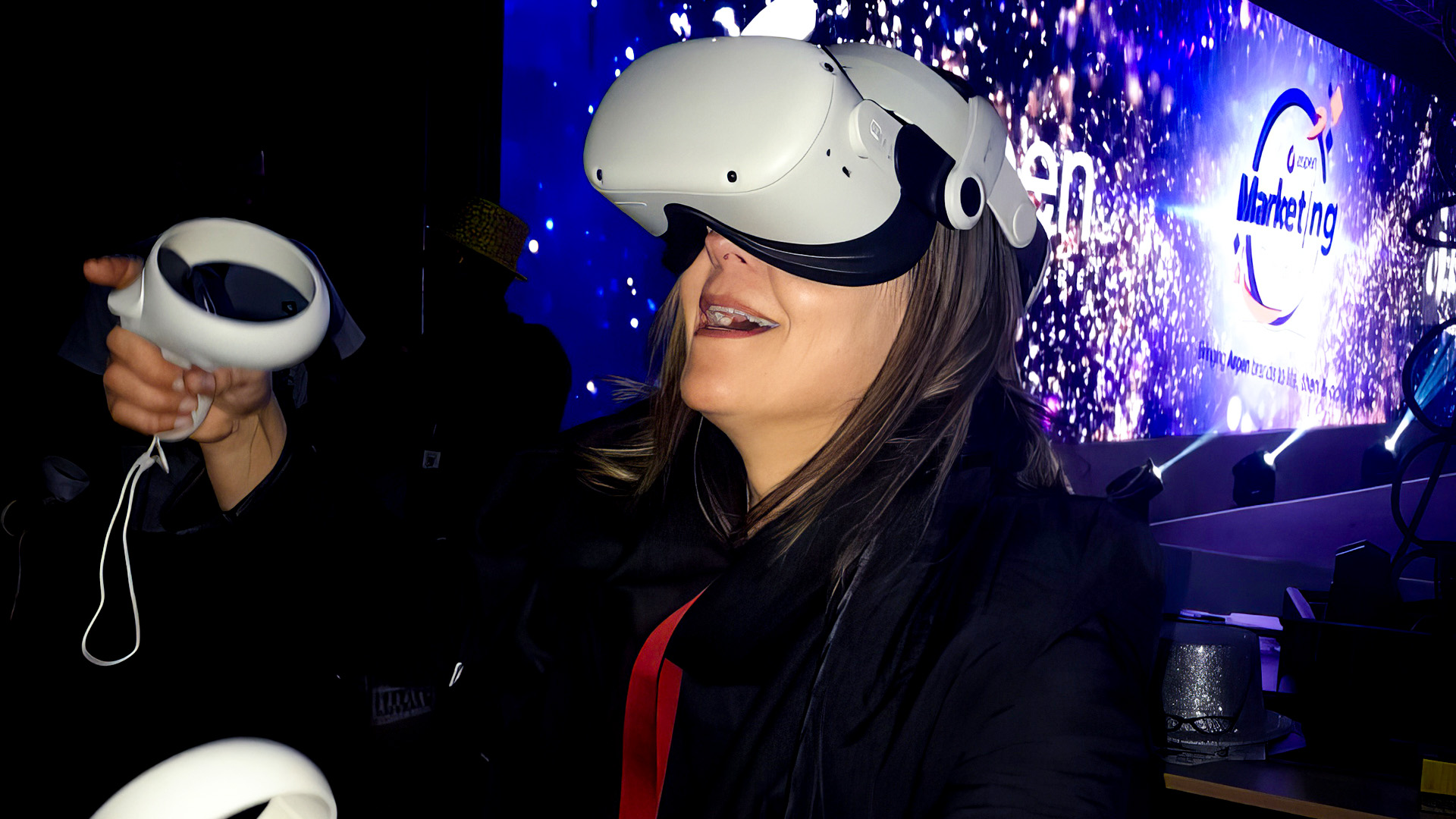
In a world where technology is rapidly reshaping human connections, virtual reality (VR) has emerged as a transformative force in brand marketing. No longer confined to gaming or entertainment, VR is revolutionizing how businesses interact with consumers, particularly through immersive events. The rising demand for experiential marketing, which emphasizes genuine, real-world engagement, has led many South African brands to explore this new frontier. As traditional marketing techniques become less effective, VR offers an unparalleled opportunity to captivate audiences in ways that were once unimaginable. Brands can now create immersive narratives that draw consumers into their stories, fostering a stronger emotional connection and a memorable experience.
The Evolving Landscape of Experiential Marketing
Experiential marketing has always focused on more than just selling products; it aims to forge meaningful connections that resonate deeply with customers. Today, this approach has evolved as brands seek innovative methods to engage their audiences. The shift towards digital transformation has been accelerated by changing consumer behaviors and the demand for interactive, sensory-rich experiences. Virtual reality stands at the forefront of this evolution, empowering brands to craft personalized, immersive experiences that surpass the limitations of traditional advertising. By harnessing VR technology, businesses can create multi-sensory environments that engage sight, sound, and touch, leaving lasting impressions.
Why Virtual Reality is the Next Big Leap for South African Brands
For South African brands, VR represents a bold leap into the future of marketing. As consumers become more digitally savvy, they increasingly seek richer, more engaging experiences. Virtual reality offers a unique opportunity to fulfill these demands while enabling brands to differentiate themselves in a competitive marketplace. By embracing VR, South African businesses can create immersive events that foster deeper connections, enhance brand loyalty, and position themselves as pioneers in a rapidly evolving digital landscape.
Understanding Virtual Reality Events: A New Frontier for Engagement
What Are Virtual Reality Events and How Do They Work?
Virtual reality events are immersive digital experiences that replicate real-world environments using cutting-edge VR technology. These events can take various forms, including product launches, virtual conferences, interactive workshops, and live performances, providing brands with a versatile platform to engage audiences. Attendees participate by donning VR headsets that transport them into a fully rendered 3D space, where they can explore, interact with the environment, and connect with other participants in real-time. What truly distinguishes VR events is their unique ability to create a profound sense of presence, making attendees feel as if they are physically present in a virtual space. This immersive experience enhances emotional engagement and allows for meaningful interactions that can be challenging to replicate in traditional settings.
The Key Differences Between Physical, Digital, and Virtual Experiences
While traditional physical events have long been a cornerstone of brand marketing, they often face limitations regarding reach and scalability. Digital experiences, such as webinars and live streams, have broadened the potential audience but frequently fall short in terms of depth of interaction and engagement. In contrast, virtual reality events blend the best features of both worlds by offering the immersive qualities of physical gatherings with the accessibility and scalability of digital platforms. VR events empower brands to deliver rich, interactive experiences that transcend geographical and temporal constraints, making it possible for participants from diverse locations to engage seamlessly. This innovation not only enhances brand visibility but also cultivates a sense of community and connection among attendees, thereby redefining the future of experiential marketing.

Transforming Brand Experiences with Virtual Reality
Immersive Storytelling: Bringing Brands to Life
In the digital age, storytelling has evolved into a vital tool for brands seeking to forge connections with their audiences. Virtual reality (VR) takes storytelling to unprecedented heights by enabling brands to craft fully immersive narratives that consumers can step into and explore. This innovative medium transforms passive viewers into active participants, creating a more personal and impactful experience. Imagine walking through a virtual recreation of a product's development journey, interacting with the designers and learning about the inspirations behind each feature, or experiencing a brand's core values in a vibrant 3D world. VR empowers brands to convey richer, more compelling stories that resonate deeply with their audiences and leave a lasting impression. By engaging consumers on multiple sensory levels, brands can effectively communicate their narratives in a way that traditional media simply cannot achieve.
The Role of Immersion in Building Deeper Customer Connections
The true power of virtual reality lies in its capacity to foster profound emotional connections through immersive experiences. By enveloping users in a fully realized environment, VR events engage the senses in ways that other media cannot replicate. When consumers can interact with a brand's story on a personal level'feeling, seeing, and experiencing it'they are more likely to develop lasting connections. This heightened emotional engagement leads to greater levels of brand loyalty, as customers who feel immersed in a brand's narrative and values are more inclined to invest their time, attention, and resources. Ultimately, VR not only enhances the storytelling experience but also transforms how brands cultivate meaningful relationships with their audiences, paving the way for a future where connection and immersion drive marketing success.
Interactive Product Showcases and Demos
Revolutionizing the Way Products Are Introduced to Consumers
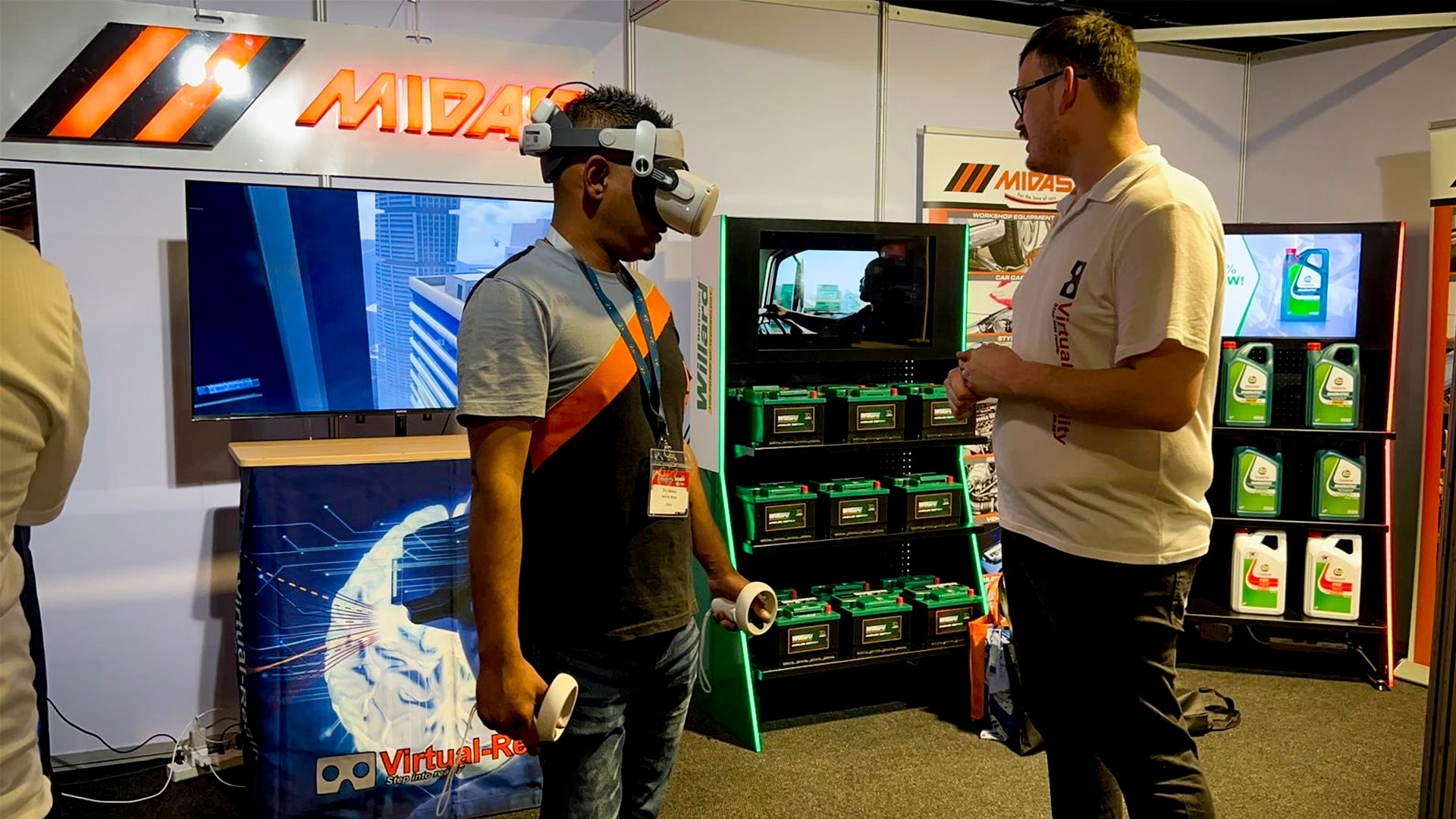
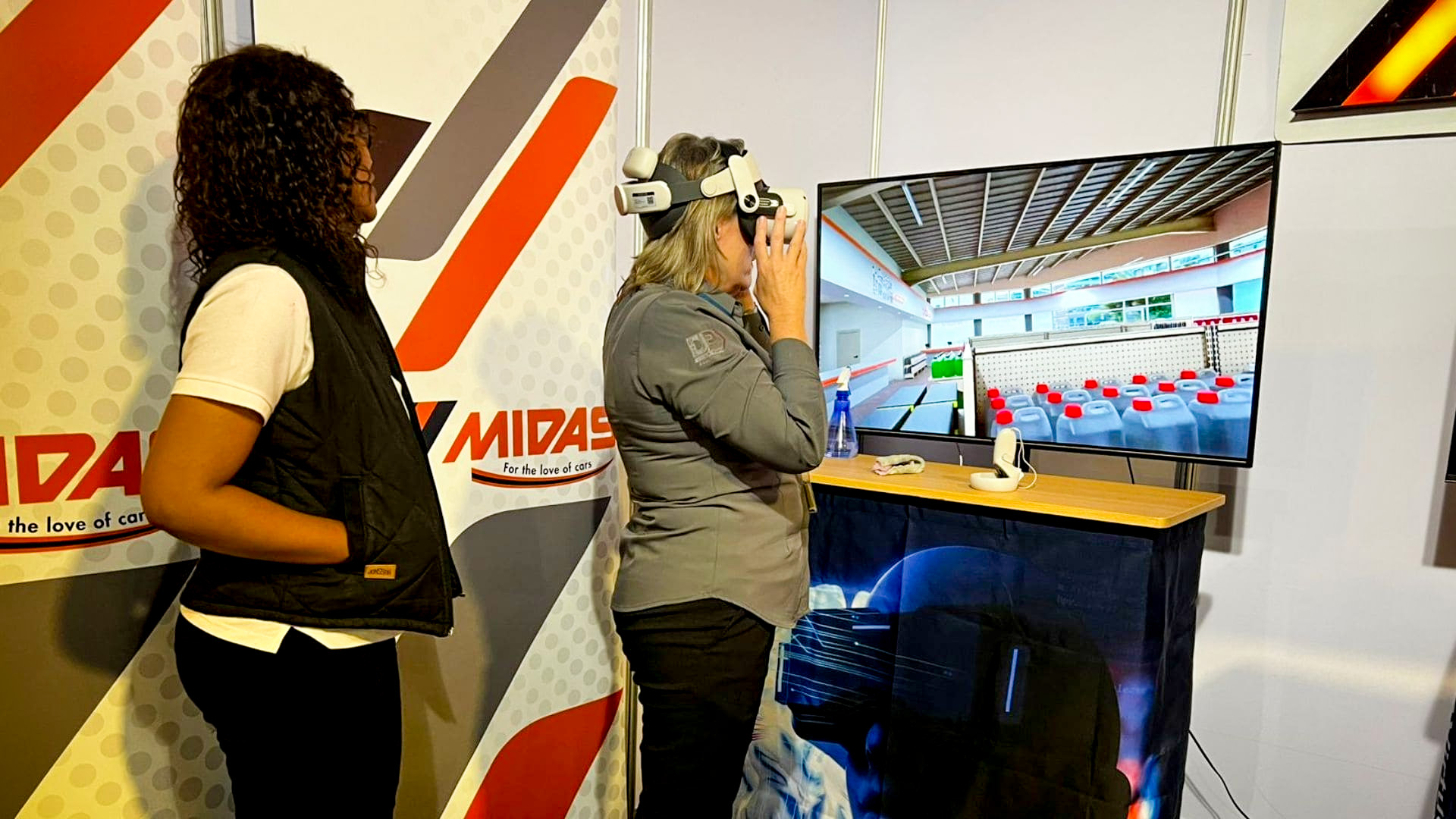
For brands, traditional product launches and demonstrations have typically been constrained to physical events or static online showcases, limiting audience engagement and interaction. However, virtual reality (VR) is transforming this landscape by enabling companies to offer interactive product demonstrations that feel more tangible and engaging. In a virtual environment, consumers can explore a product from every angle, test its features in real-time, and even observe it in action, providing a comprehensive understanding of its capabilities. This immersive experience not only enhances consumers' comprehension of the product but also instills a greater sense of confidence in their purchasing decisions. By simulating real-world usage, VR allows potential buyers to envision how a product fits into their lives, ultimately driving higher conversion rates and customer satisfaction.
How Interactive VR Demos Create a Memorable Brand Experience
Interactive VR demos are not only functional but also exceptionally memorable. They offer consumers a unique opportunity to engage with a product in ways that feel fresh and exciting. The ability to manipulate a virtual object, explore its features in detail, and experience it within a relevant context leaves a profound impact on the consumer's perception of the brand. This is particularly valuable for companies looking to stand out in crowded markets, as a striking VR experience can create a lasting impression that encourages consumer loyalty. In an age where attention spans are fleeting, the novelty and interactivity of VR can captivate audiences, fostering an emotional connection that traditional marketing methods often struggle to achieve. As brands embrace this innovative approach, they position themselves not only as leaders in their industries but also as pioneers of the future of product engagement.

The Benefits of Virtual Reality Events for South African Brands
Cost-Effective and Scalable Solutions
One of the most significant advantages of virtual reality (VR) events is their cost-effectiveness. Traditional physical events often entail substantial expenses, including venue rentals, travel, accommodation, and complex logistics. These costs can quickly add up, posing challenges for brands, especially smaller businesses with limited marketing budgets. In contrast, VR events eliminate many of these financial burdens, allowing brands to concentrate on creating high-quality, immersive experiences without the stress of excessive overhead. Moreover, the investment in VR technology can yield substantial returns by enhancing audience engagement and driving conversions. With lower operational costs, companies can allocate more resources toward innovative content creation, ultimately enriching the user experience and fostering deeper connections with consumers.
How VR Events Can Scale from Local to International Markets
The scalability of VR events represents a transformative opportunity for South African brands seeking to broaden their market reach. What was once constrained by geographical boundaries can now extend to global markets, enabling brands to showcase their products and services to international audiences without the need for a physical presence. This not only expands the potential customer base but also enhances brand awareness on a global scale. Brands can host virtual expos, product launches, and networking events that welcome participants from various countries, facilitating meaningful interactions and collaborations that transcend borders. As brands leverage the power of VR to create scalable experiences, they position themselves as innovators in their industries, ready to engage diverse audiences and respond to emerging market trends. This strategic approach not only enhances visibility but also fosters a competitive edge in an increasingly interconnected world.
Maximizing Consumer Engagement and Retention
Enhancing Consumer Interaction through Gamification and VR Elements
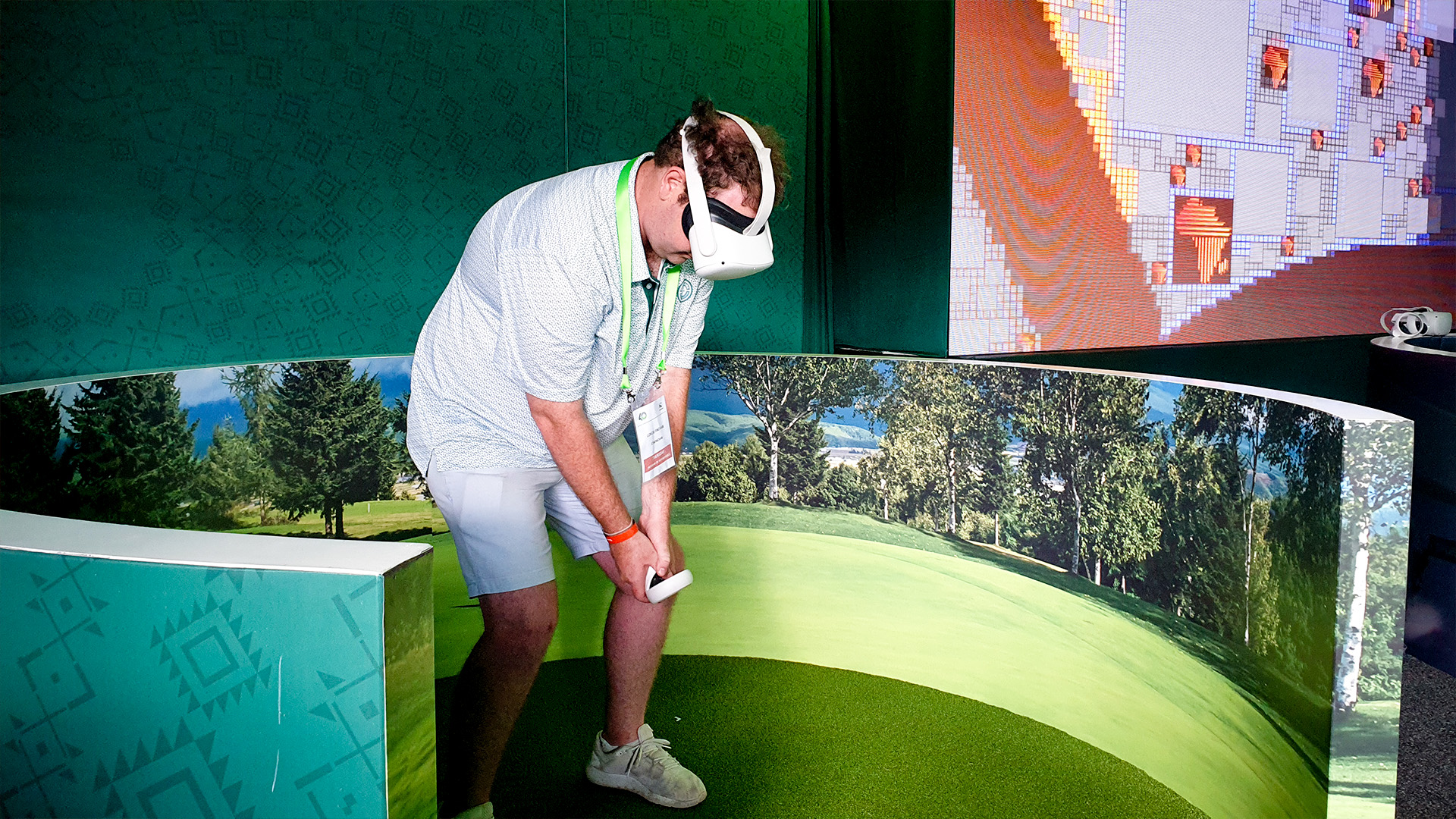
Virtual reality (VR) technology presents unique opportunities for gamification, allowing brands to integrate game-like elements into their virtual events to significantly increase consumer engagement. From virtual scavenger hunts and interactive challenges to reward-based activities, these gamified features encourage participants to engage actively with the content and each other. The immersive nature of VR amplifies these elements, making them not only more captivating but also inherently fun, resulting in higher levels of consumer interaction. By appealing to the natural human inclination toward play, brands can create an environment where learning about products and services feels exciting and enjoyable. This approach not only entertains participants but also enhances their overall experience, fostering deeper connections with the brand.
How VR Events Drive Higher Engagement and Long-Term Loyalty
The immersive and interactive qualities of VR events naturally lead to significantly higher engagement compared to traditional digital experiences. When consumers feel actively involved and entertained, they are more likely to develop positive associations with the brand. This emotional engagement can have lasting effects; participants who enjoy a VR experience are inclined to share their excitement with others, increasing word-of-mouth marketing. Furthermore, VR events that offer personalized experiences foster a sense of exclusivity, enhancing long-term customer loyalty by creating memorable moments that resonate well beyond the event itself. By tailoring experiences to individual preferences and encouraging ongoing interaction, brands can cultivate loyal customers who feel a strong connection to their narratives and values. Ultimately, the strategic use of gamification within VR not only boosts immediate engagement but also lays the groundwork for lasting relationships with consumers.
Shaping the Future of Event Marketing in South Africa
Reaching Wider Audiences with Virtual Reality
In a country as diverse as South Africa, reaching a broad audience across various regions poses unique challenges. Factors such as geography, infrastructure, and socio-economic disparities can limit access to traditional events. However, virtual reality (VR) effectively breaks down these barriers by making events accessible to anyone equipped with a VR headset and a stable internet connection. This technology empowers brands to engage with both urban and rural consumers, creating opportunities for inclusivity and ensuring that no demographic is overlooked. By transcending physical limitations, VR offers brands a powerful tool to foster inclusivity in their marketing efforts, enabling them to reach diverse audiences and connect with consumers in meaningful ways. This not only enhances brand visibility but also builds a sense of community among participants from different backgrounds.
Creating Inclusive Events Accessible to Anyone, Anywhere
Virtual reality events can be thoughtfully designed with accessibility in mind, ensuring they cater to people of all abilities and locations. Brands can incorporate features such as closed captioning for the hearing impaired, customizable user interfaces for those with different accessibility needs, and multiple language options to accommodate diverse linguistic backgrounds. By prioritizing these elements, South African brands can create immersive experiences that are genuinely welcoming to everyone, regardless of their physical or geographical limitations. This commitment to inclusivity not only enhances the user experience but also reinforces the brand's values and commitment to social responsibility. Ultimately, by leveraging VR technology to create accessible events, brands position themselves as forward-thinking leaders in their industries, dedicated to engaging all consumers and promoting a more inclusive marketing landscape.
Building Brand Differentiation in a Competitive Market
Standing Out Through Innovative and Futuristic Event Strategies
In today's crowded market, differentiating oneself is crucial for brand success. Virtual reality (VR) events offer a cutting-edge solution for brands looking to stand out. By harnessing the latest technology and providing consumers with a futuristic experience, brands can position themselves as innovative leaders within their industry. This forward-thinking approach not only captures attention but also cultivates credibility and trust among modern consumers, who increasingly prioritize innovation in their purchasing decisions. VR events allow brands to break away from traditional marketing methods, presenting products and services in immersive ways that resonate with audiences and create memorable experiences. As consumers seek out brands that push boundaries and embrace new technologies, those that leverage VR can create lasting impressions that translate into brand loyalty.
How VR Events Can Position South African Brands as Industry Leaders
For South African brands, adopting VR technology early on offers a significant competitive advantage. By organizing state-of-the-art virtual events, companies can showcase their commitment to innovation and customer engagement, setting themselves apart in a rapidly evolving marketplace. This proactive stance positions them as pioneers in the South African market, establishing a reputation for leadership that resonates beyond local borders and into the global arena. By embracing VR, South African brands can engage with international audiences, demonstrating their adaptability and forward-thinking mindset. As they harness the power of immersive technology, these brands not only enhance their visibility but also contribute to the perception of South Africa as a hub for innovation and creativity in the global business landscape. Ultimately, VR events serve as a powerful platform for brands to assert their leadership, inspire consumer trust, and drive long-term success.
Challenges and Considerations for South African Brands
The Technical and Logistical Challenges of VR Events
While virtual reality (VR) events offer a multitude of benefits, they also come with a unique set of challenges that brands must navigate. One of the primary technical demands of VR is the need for reliable hardware, including high-quality headsets and computers capable of rendering immersive environments. Furthermore, high-speed internet is crucial to delivering seamless experiences; any lag or interruption can detract from the immersive nature of VR. South African brands must therefore ensure they have the necessary infrastructure in place to support these demands, which may require significant investment. Additionally, there are logistical concerns regarding the distribution of VR headsets. Brands must consider how to deliver equipment to consumers, particularly those who may be unfamiliar with the technology or lack access to the necessary gear. This challenge can hinder participation and limit the effectiveness of VR events if not addressed properly.
Overcoming Bandwidth and Accessibility Issues in South Africa
Another significant hurdle for VR event adoption in South Africa is the country's internet infrastructure, which can pose challenges, especially in rural or underserved areas with limited bandwidth. Brands must take these limitations into account and explore innovative solutions, such as optimizing VR content to function efficiently on lower bandwidths or providing offline options that allow consumers to engage with the experience without a constant internet connection. By focusing on these strategies, brands can enhance the accessibility of VR events for all South African consumers, regardless of their location or connectivity. Ultimately, overcoming these technical and logistical challenges will be essential for brands looking to leverage VR technology effectively, ensuring a more inclusive and engaging experience for their audiences.
Measuring Success: ROI and Impact of VR Events
Key Performance Indicators to Track VR Event Effectiveness
To accurately measure the success of virtual reality (VR) events, brands must identify and monitor key performance indicators (KPIs) such as attendee engagement, interaction rates, and the amount of time spent in the virtual environment. These metrics offer valuable insights into consumer responses to the event and help assess whether specific objectives'such as enhancing brand awareness, educating consumers about products, or fostering community engagement'are being achieved. For instance, higher interaction rates may indicate a strong connection between the audience and the brand, while longer time spent in the virtual space can suggest that attendees are finding value in the experience. Additionally, collecting and analyzing user feedback and sentiment through post-event surveys can provide brands with critical information to refine future events, enhance content, and improve overall user experience.
The Tools and Metrics to Measure Engagement and ROI
Several tools are available to help brands measure the effectiveness of VR events. Heatmaps, for example, can track user movement within the virtual space, allowing brands to understand which areas attracted the most attention and engagement. Engagement analytics can provide detailed insights into participant behavior, while post-event surveys can capture qualitative feedback from attendees. Together, these tools enable brands to identify which elements of the event resonated most with their audience and highlight areas that may require improvement. By analyzing these metrics, brands can effectively gauge their return on investment (ROI), ensuring that future VR events deliver even greater value and engagement. Ultimately, tracking KPIs not only demonstrates the effectiveness of VR initiatives but also helps brands evolve their strategies to meet the ever-changing demands of their consumers.
The Future of VR Events in South African Brand Strategy
Predicted Trends for VR Event Adoption
As virtual reality (VR) technology continues to evolve and mature, its adoption in brand marketing is anticipated to grow exponentially in the coming years. South African brands that have already embraced this technology are likely to lead the charge, continuously exploring innovative ways to incorporate VR into their marketing strategies. Future trends may include the integration of augmented reality (AR) to create hybrid experiences that blend digital and physical interactions, enhancing consumer engagement. Additionally, artificial intelligence (AI) is expected to drive personalization, allowing brands to tailor VR experiences to individual preferences and behaviors, making each interaction more relevant and impactful. Furthermore, we may see the use of VR for more complex event formats, such as immersive trade shows and large-scale festivals, where brands can create multi-dimensional experiences that engage participants in unique ways. These trends signify a shift toward more sophisticated, integrated marketing strategies that leverage the full potential of immersive technologies.
The Role of VR in the Evolution of South African Marketing Strategies
Virtual reality is poised to play a pivotal role in the evolution of South African marketing strategies. As consumers become more accustomed to immersive digital experiences, brands that effectively incorporate VR into their strategies will be better positioned to meet and exceed these evolving expectations. VR's capacity to provide personalized, engaging, and scalable experiences makes it an essential tool for the future of marketing in South Africa. By leveraging VR technology, brands can not only enhance customer engagement but also build stronger emotional connections with their audiences, fostering brand loyalty in a competitive marketplace. As the digital landscape continues to shift, embracing VR will be crucial for South African brands aiming to remain at the forefront of innovation and consumer engagement.
Creating a Hybrid Future: Merging Virtual and Physical Events
How VR Will Complement Traditional Event Formats
While virtual reality (VR) offers numerous advantages, it's unlikely to completely replace physical events. Instead, the future of brand marketing is set to embrace hybrid events that combine the best of both worlds. By merging virtual and physical elements, brands can create multifaceted experiences that cater to diverse audience preferences and needs. This hybrid approach allows for greater flexibility, enabling brands to provide in-person engagement for those who prefer the tactile experience of a live event while still offering immersive VR experiences for remote attendees. This flexibility not only enhances accessibility but also expands the potential audience, ensuring that brands can connect with consumers regardless of their location.
Leveraging the Best of Both Worlds to Create Hybrid Brand Experiences
Hybrid events present a unique opportunity to engage with audiences on multiple levels. For instance, a brand could host a physical product launch at a trendy venue while simultaneously offering a virtual reality version of the event for those unable to attend in person. This dual approach maximizes reach by allowing brands to tap into both local and global audiences, creating a more inclusive environment. Furthermore, the integration of VR can enhance the live experience by providing virtual attendees with unique interactions, such as backstage tours, Q&A sessions with product developers, or interactive product demonstrations. By offering consumers a choice in how they engage with the brand'whether through a physical presence or an immersive virtual experience'brands can significantly enhance satisfaction and foster stronger brand loyalty. This strategy not only positions brands as innovative and adaptable but also reinforces their commitment to meeting the evolving preferences of their audience in a rapidly changing marketing landscape.
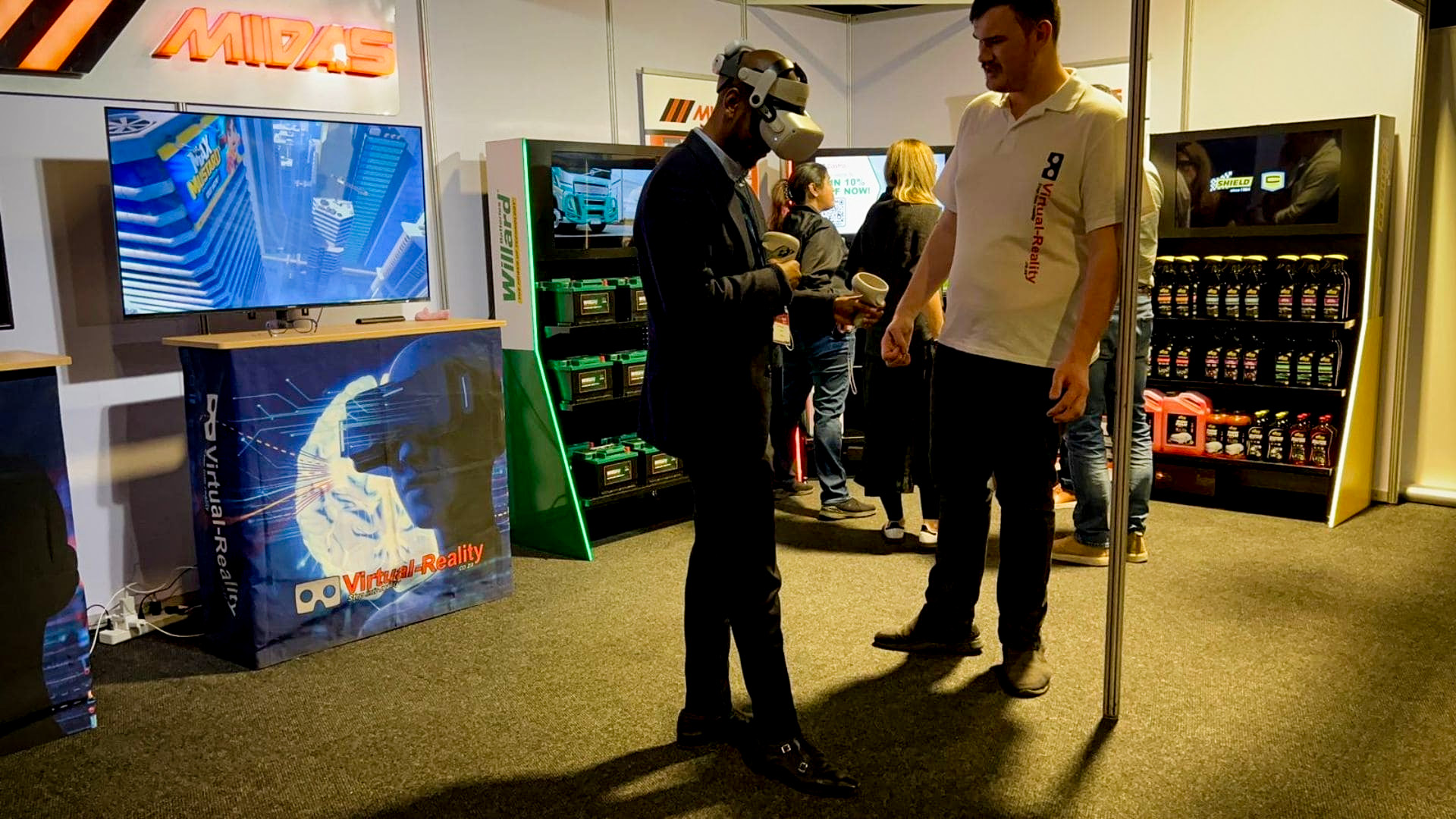
Why South African Brands Must Embrace VR Events Now
The Competitive Edge Gained by Adopting VR Early
South African brands that embrace virtual reality (VR) early will gain a significant competitive edge in an increasingly dynamic market. By investing in this cutting-edge technology now, brands can stay ahead of the curve, capturing the attention of tech-savvy consumers who seek novel and immersive experiences. Early adopters of VR can differentiate themselves from competitors by positioning their brands as pioneers in innovation, showcasing their willingness to adapt to the latest trends. VR events offer unmatched opportunities for brands to engage with their audiences in meaningful and memorable ways, allowing consumers to interact with products and narratives in ways that traditional marketing methods cannot replicate. This level of engagement not only captivates audiences but also fosters a deeper emotional connection, making VR an essential tool for future brand success.
How VR Events Are Set to Redefine Brand Marketing in South Africa
As VR technology continues to improve and consumer expectations shift toward more immersive and interactive experiences, VR events are poised to redefine the landscape of brand marketing in South Africa. Brands that embrace this new reality will elevate their marketing strategies, providing richer experiences that resonate with consumers on multiple levels. The integration of VR can transform how brands convey their stories, showcase their products, and interact with their audiences, leading to deeper, more lasting connections. The future of marketing is immersive, interactive, and virtual'and it's already here. South African brands that act now to incorporate VR into their marketing strategies will be well-positioned to thrive in this new era, capturing market share and establishing themselves as leaders in a rapidly evolving landscape. By investing in VR today, these brands are not just keeping pace with the competition; they are setting the stage for the marketing successes of tomorrow.