

How Virtual Reality is Revolutionizing Education and Training
Author
Elisha Roodt
Date Published
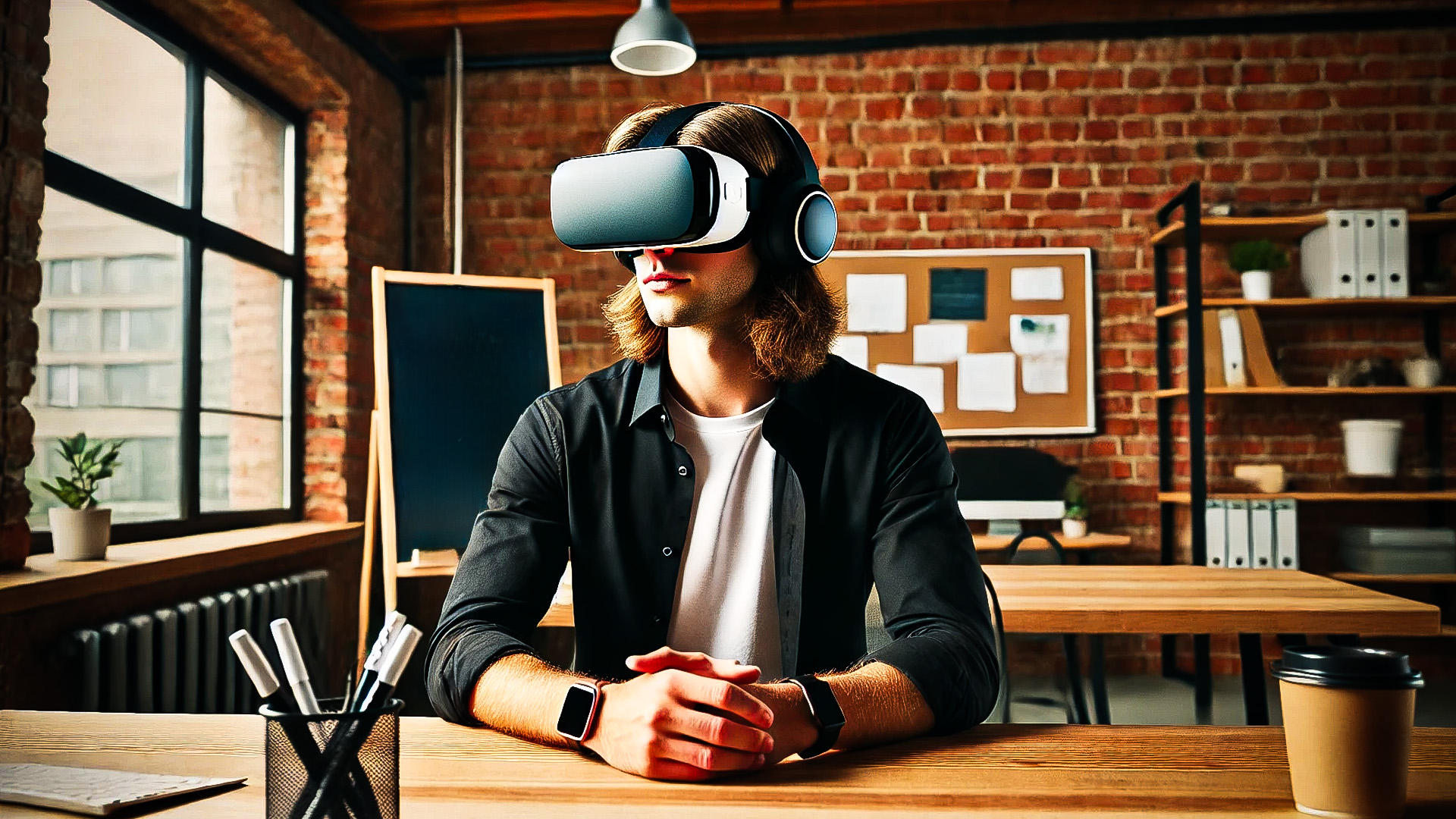
In the ever-evolving landscape of education, Virtual Reality (VR) has emerged as a transformative force, redefining the way knowledge is imparted and skills are honed. This cutting-edge technology is not merely an enhancement but a radical departure from traditional pedagogical methods. As VR technology advances, its potential to reshape educational paradigms becomes increasingly evident, offering immersive and interactive experiences that transcend conventional classroom boundaries.
The Rise of Virtual Reality (VR) in Education
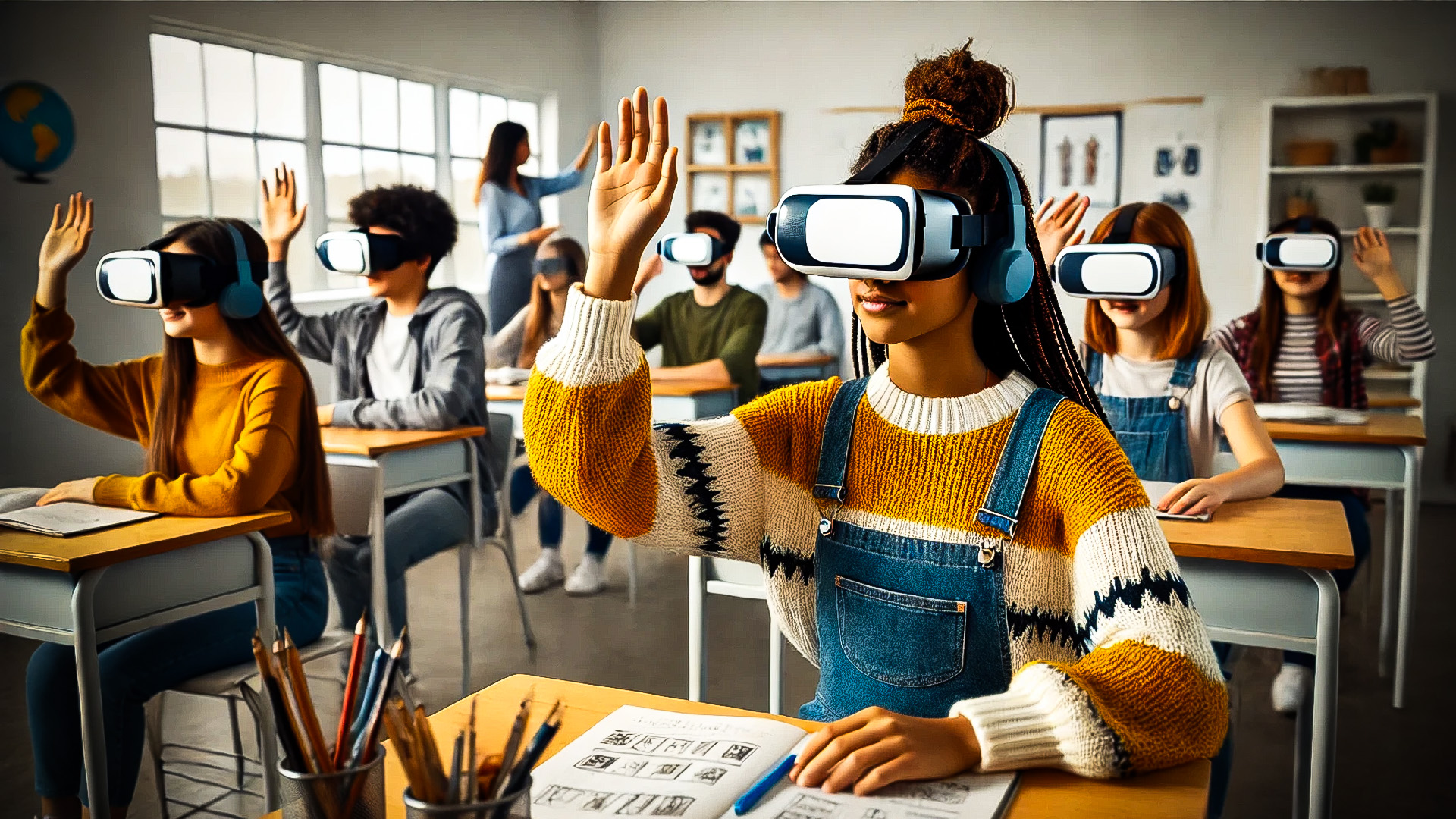
Virtual Reality, once relegated to the realms of gaming and entertainment, is now making significant inroads into education. The adoption of VR in educational settings marks a paradigm shift from passive to active learning. Unlike traditional methods that often rely on static textbooks and lectures, VR engages students in dynamic, interactive environments. This leap forward facilitates deeper understanding and retention by immersing learners in simulations that mirror real-world scenarios. The traditional education model, characterized by lectures, textbooks, and rote memorization, has long been the standard. However, this model has significant limitations in engaging students and fostering deep understanding. VR challenges these conventions by offering a more engaging and participatory approach. Rather than passively receiving information, students actively interact with their learning environment, leading to more profound and lasting educational outcomes.
How VR is Transforming Traditional Learning Methods
Traditional learning methods, while effective to an extent, often fail to captivate the modern learner's imagination. VR introduces a new dimension to education by enabling experiential learning. Instead of merely reading about historical events or scientific phenomena, students can witness and interact with them. This immersive approach not only enhances comprehension but also fosters a more profound connection with the material, making learning both engaging and memorable.
Experiential Learning: A New Paradigm
Experiential learning emphasizes learning through experience and reflection. VR takes this concept to new heights by providing simulations that allow students to experience concepts firsthand. For instance, students studying ancient history can walk through a virtual reconstruction of an ancient city, gaining insights that static images and texts cannot offer. Similarly, science students can manipulate virtual molecules to understand complex chemical reactions, which would be challenging to visualize in a traditional lab setting.
Immersive Learning Experiences
Engaging Students Through VR Simulations
One of the most compelling aspects of VR in education is its ability to create highly engaging simulations. These virtual environments can replicate complex systems and scenarios, providing students with hands-on experience that is otherwise difficult to achieve. Whether it's navigating a 3D model of the human body or exploring the surface of Mars, VR simulations offer an interactive and captivating way to grasp intricate concepts. Simulations in VR allow students to experiment and interact with elements that are not easily accessible in real life. For example, medical students can practice surgical procedures in a risk-free environment, refining their skills before performing real-life operations. Similarly, engineering students can design and test structures in a virtual space, gaining practical insights into their designs' strengths and weaknesses.
Real-World Scenarios and Virtual Field Trips
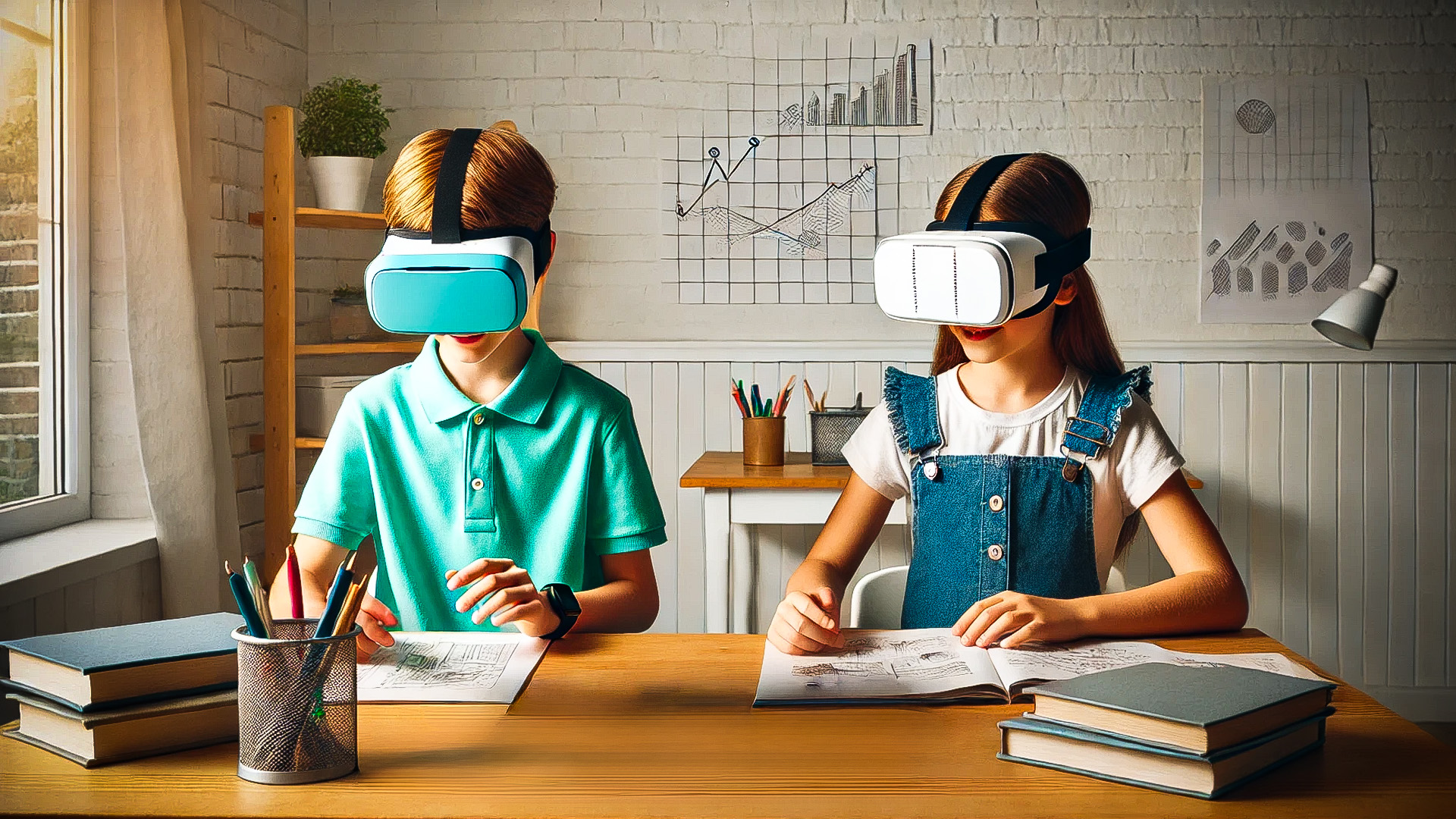
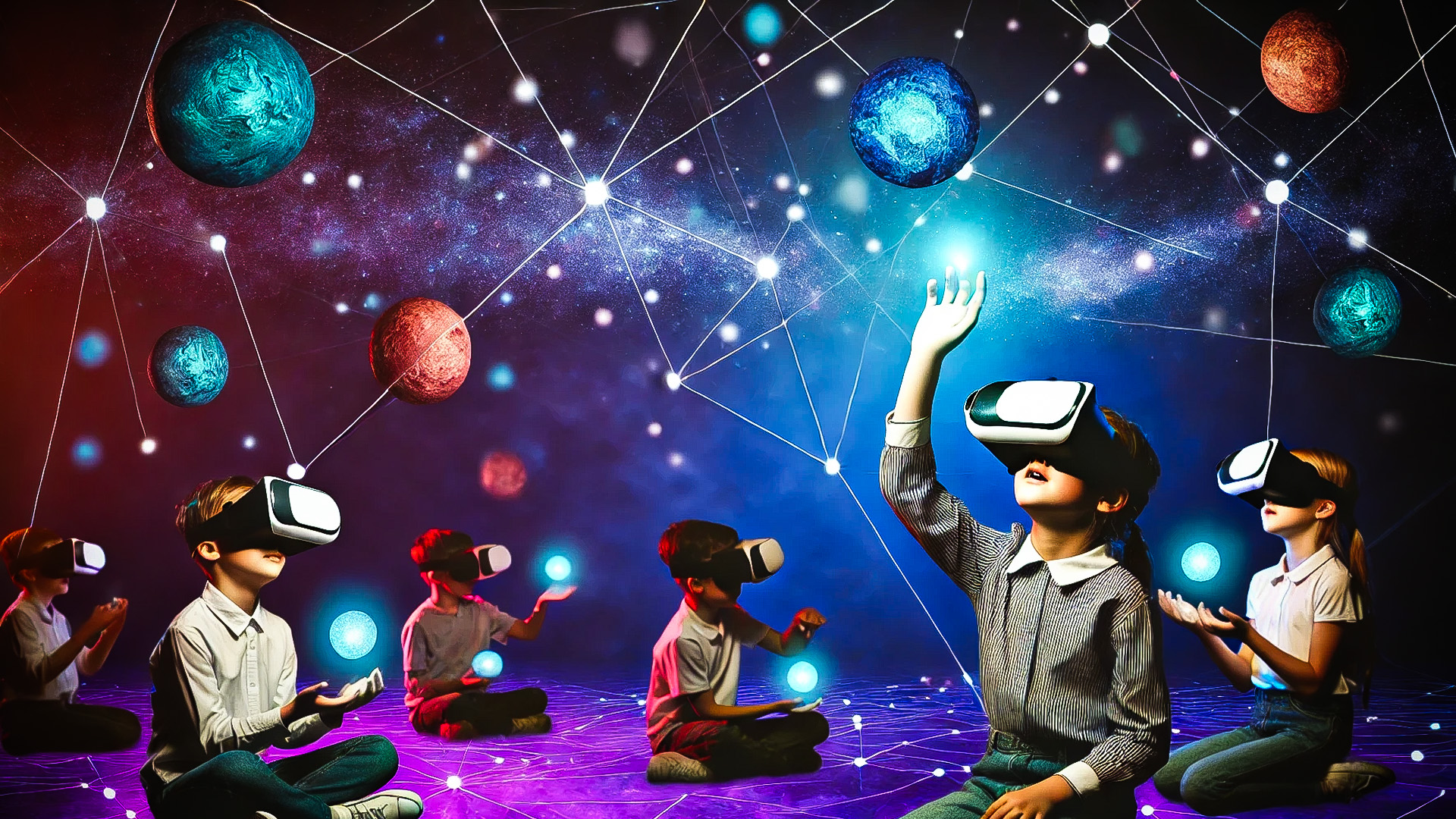
Virtual field trips are another innovative application of VR. Students can embark on virtual journeys to historical landmarks, distant countries, or even outer space, all from the comfort of their classroom. These experiences provide a sense of presence and exploration that traditional methods cannot match. By immersing students in real-world scenarios, VR bridges the gap between theoretical knowledge and practical application, enriching the learning experience. Virtual field trips offer students the opportunity to explore environments and cultures that may be geographically or financially inaccessible. For instance, a history class can visit ancient Rome, while a geography class can explore the Amazon rainforest. These experiences not only enhance students' understanding of the subjects but also broaden their global perspective and cultural awareness.
Enhancing Skills and Knowledge Acquisition
Interactive Training Programs for Various Industries
VR is not confined to the realm of theoretical knowledge; it is also revolutionizing practical training across various industries. From medical simulations that allow future surgeons to practice intricate procedures to virtual construction sites for aspiring engineers, VR offers a hands-on approach that enhances skill acquisition. These interactive training programs enable learners to build and refine their competencies in a risk-free environment, leading to more proficient and confident professionals. In the medical field, VR provides a platform for practicing surgeries, diagnosing diseases, and understanding human anatomy in a detailed and interactive manner. Engineering students can engage in virtual simulations of construction projects, learning about structural integrity and safety protocols without the need for physical materials. Similarly, VR is used in aviation training, allowing pilots to experience various flying conditions and scenarios.
Hands-On Practice in a Virtual Environment
The essence of VR lies in its ability to provide hands-on practice. Traditional training methods often involve theoretical instruction and limited practical application. In contrast, VR creates a safe space for learners to engage in trial and error, experimenting with different approaches without real-world consequences. This experiential learning not only accelerates skill development but also promotes a deeper understanding of complex processes. The risk-free environment offered by VR allows learners to make mistakes and learn from them without real-world repercussions. For example, students learning to perform technical repairs can troubleshoot and fix virtual machinery, gaining valuable experience and confidence. This approach fosters a deeper understanding of the subject matter and prepares learners for real-world challenges.
Personalized Learning Paths
Adaptive Learning Technologies in VR
One of the most significant advancements brought about by VR is the capacity for personalized learning experiences. Adaptive learning technologies embedded in VR platforms tailor educational content to the individual needs and learning styles of students. By analyzing user interactions and performance, VR systems can adjust difficulty levels, provide targeted feedback, and offer customized learning paths, ensuring that each learner receives a personalized educational experience. Adaptive learning technologies in VR allow educators to create tailored learning experiences that address each student's strengths and weaknesses. For instance, if a student struggles with a particular concept, the VR system can provide additional resources or adjust the difficulty level to offer more targeted support. This customization ensures that students progress at their own pace and achieve a deeper understanding of the material.
Customized Educational Experiences Based on Individual Needs
The customization afforded by VR extends beyond just adaptive technologies. VR allows educators to design bespoke learning experiences that cater to diverse learning needs. Whether accommodating different learning speeds, providing additional resources for challenging topics, or offering alternative methods of content delivery, VR enables a more inclusive and effective educational environment. VR's flexibility allows educators to design learning experiences that accommodate various learning styles and needs. Visual learners can benefit from interactive visualizations, while auditory learners can engage with narrated content. Additionally, VR can provide alternative methods of content delivery, such as interactive simulations or gamified learning, ensuring that all students have access to effective and engaging educational resources.
Breaking Down Geographic Barriers
Access to High-Quality Education Regardless of Location
Geographic limitations have long been a barrier to accessing quality education. VR addresses this issue by making high-caliber educational experiences available to learners regardless of their physical location. Remote areas and underserved communities can now access world-class educational resources and instruction through virtual platforms, bridging the educational divide and fostering a more equitable learning environment. By leveraging VR technology, educational institutions can reach students in remote or underserved areas, providing them with access to high-quality educational resources and experiences. This accessibility promotes educational equity and ensures that all students, regardless of their location, have the opportunity to benefit from advanced learning technologies.
Global Collaboration and Remote Learning Opportunities
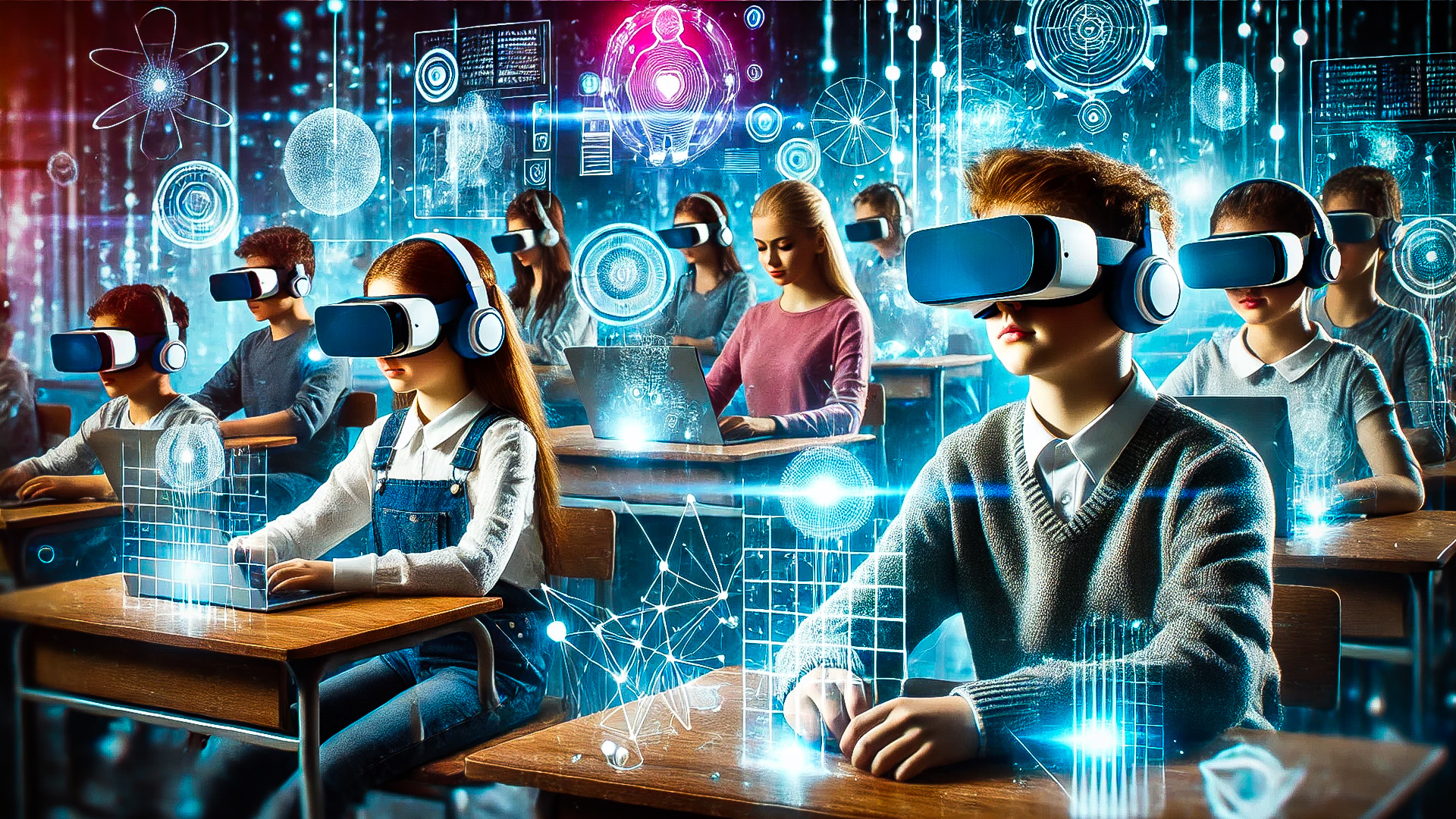
In addition to breaking down geographic barriers, VR facilitates global collaboration and remote learning. Students from different corners of the globe can connect in virtual classrooms, collaborate on projects, and share cultural perspectives. This interconnectedness enhances the learning experience, promoting cross-cultural understanding and preparing students for a globalized world. VR's ability to connect students from different parts of the world fosters a sense of global community and collaboration. Virtual classrooms and collaborative projects allow students to work together, share ideas, and gain insights from diverse perspectives. This global interconnectedness enhances students' understanding of different cultures and prepares them for future international interactions.
Improving Retention and Engagement
How VR Makes Learning More Memorable
Retention of information is significantly improved through VR's immersive learning experiences. The multi-sensory engagement provided by VR'combining visual, auditory, and kinesthetic stimuli'creates a rich and memorable learning environment. By engaging multiple senses, VR enhances cognitive processing, making the information more accessible and easier to recall. VR's multi-sensory approach to learning taps into the brain's natural ability to process and retain information. The immersive nature of VR creates a memorable learning experience by engaging multiple senses simultaneously. This sensory engagement enhances cognitive processing and makes the information more accessible and easier to recall, leading to improved retention and understanding.
Gamification and Interactive Content to Boost Motivation
Gamification, a technique frequently employed in VR education, leverages game design principles to boost motivation and engagement. Interactive content, such as challenges, rewards, and progress tracking, encourages active participation and fosters a sense of achievement. By incorporating elements of play and competition, VR transforms learning into an engaging and enjoyable experience. Gamification enhances motivation and engagement by introducing game-like elements into the learning process. Virtual classrooms can incorporate challenges, leaderboards, and rewards to encourage active participation and drive student progress. By making learning enjoyable and interactive, gamification helps maintain students' interest and commitment to their educational goals.
Applications Across Different Educational Levels
VR in Primary and Secondary Education
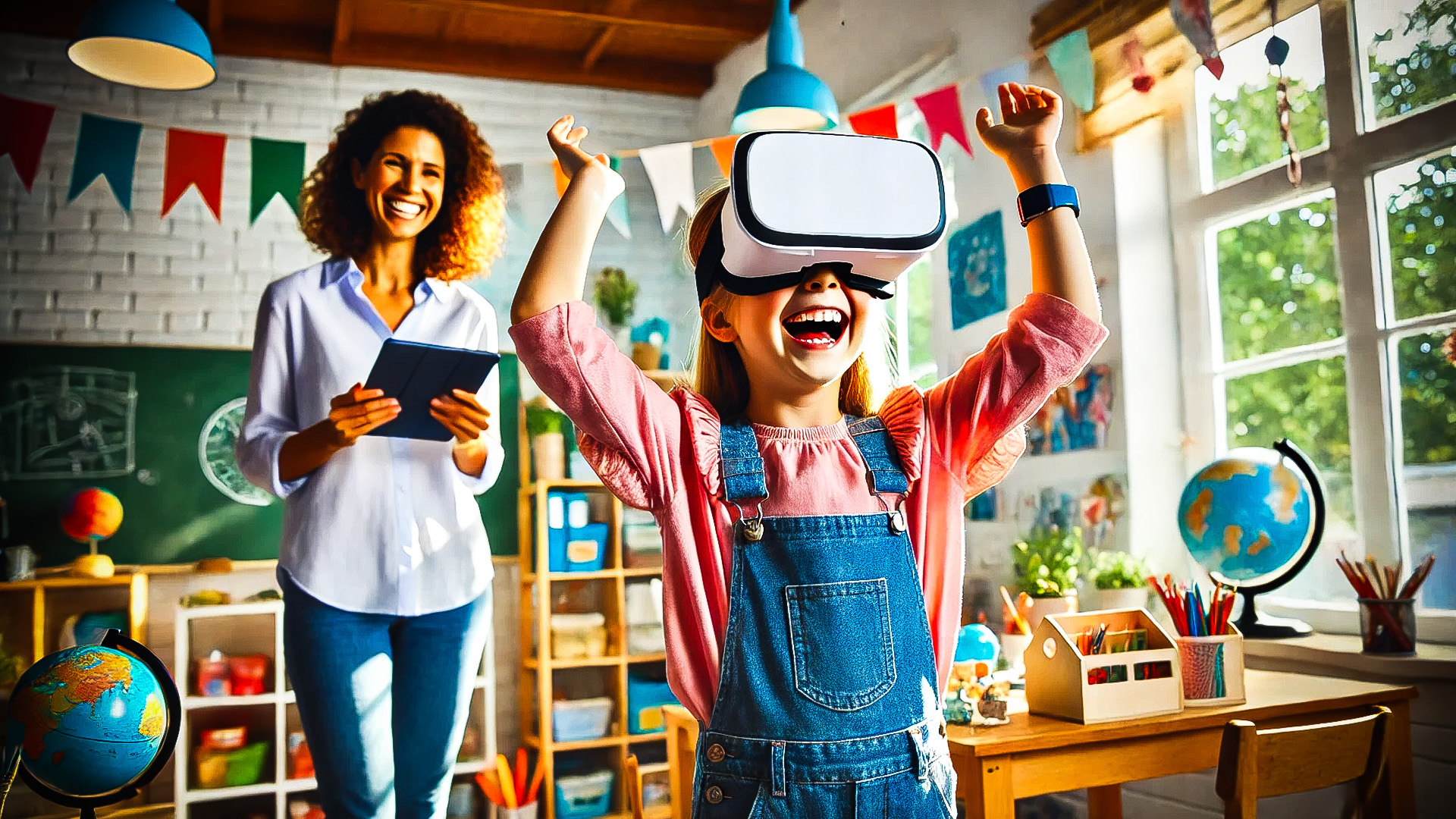
In primary and secondary education, VR is making significant strides by providing interactive and immersive experiences that captivate young learners. From exploring ancient civilizations to understanding complex scientific concepts, VR enriches the curriculum and makes learning more engaging. By integrating VR into the classroom, educators can offer students unique opportunities to explore and understand new subjects. VR offers a dynamic and interactive approach to K-12 education, allowing students to explore subjects in depth and from different perspectives. For example, primary school students can virtually visit a rainforest to learn about ecosystems, while secondary school students can simulate chemical reactions to understand scientific principles. These immersive experiences make learning more engaging and effective for students of all ages.
Higher Education and Vocational Training
In higher education and vocational training, VR is proving to be an invaluable tool. Universities and training institutions are utilizing VR to simulate real-world scenarios, provide hands-on training, and offer advanced research opportunities. Whether it's for engineering simulations, medical training, or creative arts, VR equips students with practical skills and experience that are crucial for their future careers. VR enhances higher education and vocational training by providing students with practical, hands-on experiences that complement traditional learning methods. Universities can use VR to simulate complex engineering projects, medical procedures, and creative processes, allowing students to gain valuable experience and skills. This practical application of knowledge prepares students for their future careers and enhances their overall educational experience.
Challenges and Considerations
Technical and Logistical Challenges in VR Implementation
Despite its many advantages, the implementation of VR in education is not without challenges. Technical issues, such as hardware limitations, software compatibility, and network requirements, can pose significant obstacles. Additionally, logistical considerations, including the need for specialized equipment and adequate training for educators, must be addressed to ensure successful integration of VR technology. Successful VR implementation requires addressing technical challenges such as hardware limitations and software compatibility. Educational institutions must invest in appropriate equipment and ensure that VR systems are compatible with existing infrastructure. Additionally, providing adequate training for educators is crucial to effectively integrate VR into the curriculum and maximize its educational benefits.
Cost, Accessibility, and Content Development Issues
The cost of VR technology and content development remains a concern for many educational institutions. While prices for VR equipment are gradually decreasing, the initial investment can still be substantial. Moreover, developing high-quality VR content requires expertise and resources, which can be a barrier for institutions with limited budgets. Addressing these challenges is essential for maximizing the potential of VR in education. To overcome cost and accessibility challenges, educational institutions can explore partnerships with VR developers, seek grants, or leverage open-source VR content. Additionally, institutions can prioritize content development by collaborating with industry experts and focusing on high-impact areas. By addressing these financial and developmental constraints, schools can more effectively integrate VR technology into their educational programs.
The Future of VR in Education and Training
Emerging Trends and Technologies
The future of VR in education is poised for exciting developments. Emerging trends, such as augmented reality (AR) integration, enhanced haptic feedback, and AI-driven adaptive learning, promise to further revolutionize the educational landscape. As technology continues to advance, VR will likely offer even more sophisticated and immersive learning experiences. The integration of AR with VR will create mixed-reality experiences that blend virtual and real-world elements. Enhanced haptic feedback will provide more realistic tactile interactions, while AI-driven adaptive learning will offer even more personalized educational experiences. These advancements will continue to push the boundaries of what is possible in educational VR, creating new opportunities for immersive and effective learning.
Predictions for the Next Decade in Educational VR
Looking ahead, the role of VR in education is expected to expand significantly. Predictions for the next decade include the widespread adoption of VR in classrooms, increased collaboration between educational institutions and VR developers, and the integration of VR with other emerging technologies. These advancements will shape the future of education, making learning more interactive, inclusive, and effective. As VR technology becomes more widespread and accessible, its integration into classrooms and educational programs will likely become standard practice. Collaboration between educators, VR developers, and technology experts will drive innovation and enhance the quality of educational VR experiences. The continued evolution of VR will transform education, making it more interactive, personalized, and inclusive for learners around the world.
Embracing the VR Revolution in Learning
Virtual Reality is more than just a technological innovation; it is a transformative force in education and training. By offering immersive, engaging, and personalized learning experiences, VR is reshaping how knowledge is acquired and skills are developed. As educational institutions and organizations embrace VR, they pave the way for a future where learning is more dynamic, accessible, and impactful. It is time for educators and institutions to harness the power of VR and unlock its full potential in shaping the future of education.
The Future Of Vr In Education And Training