

How Virtual Reality is Revolutionizing the Gaming Industry
Author
Elisha Roodt
Date Published
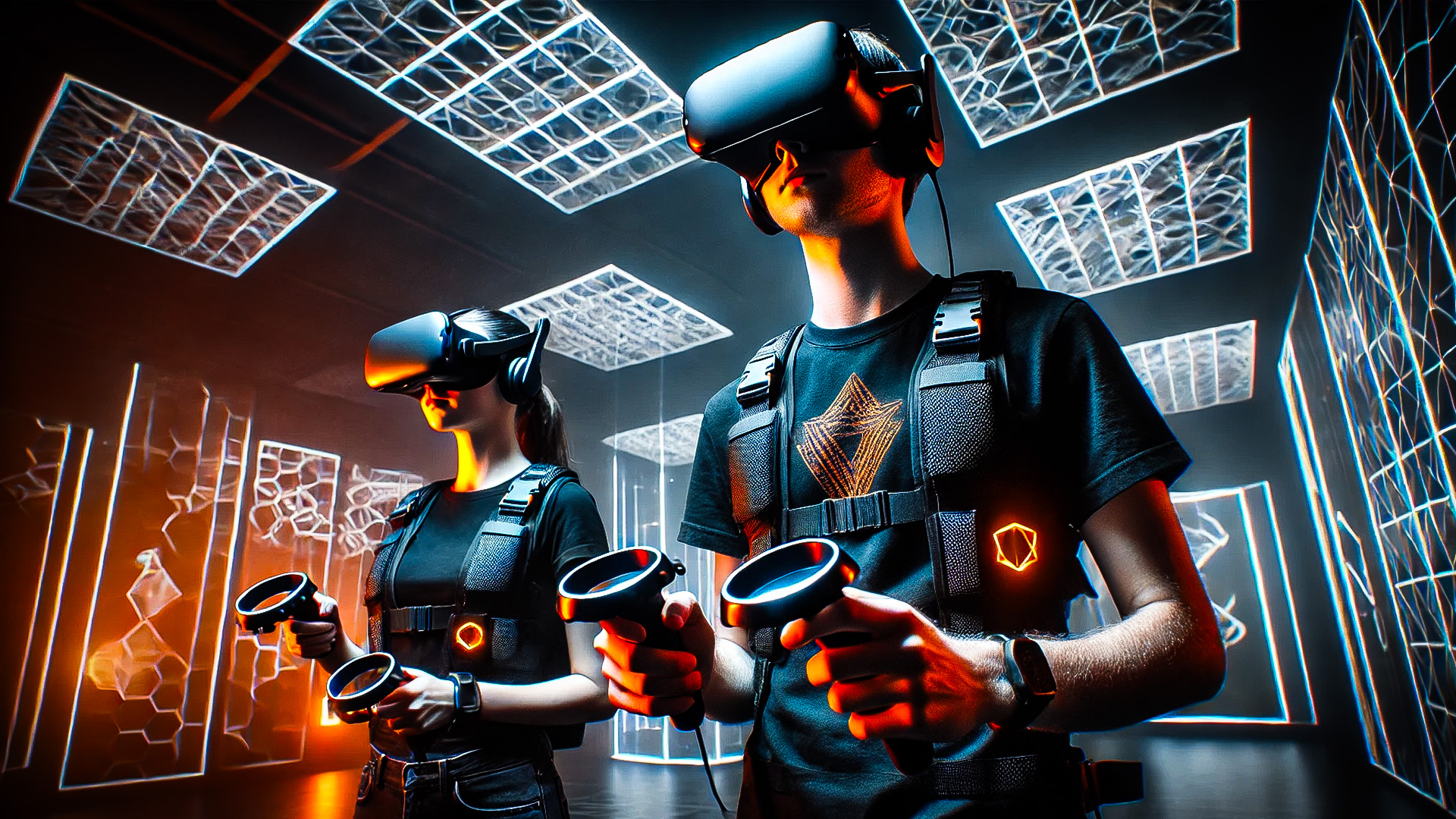
Virtual reality (VR) has emerged as the vanguard of technological innovation in the gaming industry, presenting a frontier that transcends the traditional boundaries of interactive entertainment. With the advent of VR, the once-static screens that players gazed upon have been replaced by immersive worlds that one can physically step into, engage with, and experience as if they were tangible. This transformative technology is not merely an enhancement of what came before but a paradigm shift that redefines how games are created, played, and perceived. In an era where immersion and engagement are paramount, VR stands as the epitome of this digital evolution.
A Brief Overview of VR Technology in Gaming
VR technology is the culmination of decades of advancements in hardware and software designed to create artificial environments that users can interact with as if they were real. The heart of VR lies in its ability to generate a 3D environment that can be explored and interacted with by the user, typically through a combination of head-mounted displays, motion tracking, and sensory feedback systems. The integration of these technologies allows for an experience that goes beyond mere visual and auditory stimuli, engaging the user's proprioception and spatial awareness. In the realm of gaming, this means that players are no longer confined to viewing their character's world through a screen; they are now an integral part of that world, influencing it in real-time through their actions and decisions.
Why VR is Revolutionizing the Gaming Experience
The revolution that VR brings to gaming is multifaceted, touching on aspects of immersion, interactivity, and emotional engagement that were previously unattainable. Traditional gaming, even with the most advanced graphics and storytelling, still operates within a framework where the player is a spectator controlling a character. VR, however, dismantles this barrier, placing the player within the game's environment. This shift from observer to participant enhances the emotional resonance of the gaming experience, making victories more exhilarating, challenges more daunting, and narratives more compelling. Moreover, VR's ability to simulate real-world physics and spatial interactions adds a layer of authenticity that heightens the overall experience, making gaming more than just a pastime'it becomes a visceral, almost lifelike experience.

The Evolution of Gaming: From Pixels to Immersion
From 2D to 3D: The Journey to Immersive Gaming
The evolution of gaming is a journey that spans several decades, marked by significant milestones that have progressively enhanced the level of immersion and interactivity. The early days of gaming were defined by 2D environments, where pixels on a screen represented characters and worlds in a rudimentary form. These games, while innovative for their time, were limited by the technology of the era, offering a flat, two-dimensional experience. However, the transition to 3D gaming in the 1990s opened up new possibilities for creating more complex and immersive environments. This shift allowed players to explore game worlds in three dimensions, adding depth and perspective that made the experience more engaging. The leap from 2D to 3D was not just a technical advancement but a foundational change that set the stage for the immersive experiences we see today in VR gaming.
The Birth of Virtual Reality in Gaming
The concept of virtual reality has been a part of science fiction for decades, but it wasn't until the late 20th century that it began to take shape as a viable technology. The early 1990s saw the first attempts at bringing VR to the gaming world, with devices like the Sega VR and the Virtual Boy. These early systems, while groundbreaking, were limited by the technology of the time and failed to gain widespread adoption. However, they laid the groundwork for future advancements. The true birth of modern VR gaming came in the early 2010s with the development of more sophisticated VR headsets, such as the Oculus Rift. These devices, with their advanced motion tracking, high-resolution displays, and responsive controls, provided the immersive experience that earlier attempts had promised but couldn't deliver. This marked the beginning of VR's journey from a niche technology to a mainstream gaming platform.
Key Milestones in VR Gaming Development
The development of VR gaming is punctuated by several key milestones that have shaped its evolution. The release of the Oculus Rift in 2012 was a watershed moment, bringing VR into the spotlight and sparking interest across the gaming industry. This was followed by the introduction of the HTC Vive and PlayStation VR, which brought competition and innovation to the market. Each new generation of VR hardware has pushed the boundaries of what is possible, with improvements in display quality, motion tracking, and haptic feedback. In parallel, software development has also seen significant advancements, with game developers creating increasingly complex and immersive VR experiences. The launch of Half-Life: Alyx in 2020, for instance, demonstrated the potential of VR as a platform for AAA titles, offering a level of immersion and interactivity that traditional gaming could not match. These milestones have collectively driven the growth of VR gaming, establishing it as a key segment of the gaming industry.

Immersive Gameplay: How VR Transforms Player Experience
The Power of Presence: Feeling Truly Inside the Game
One of the most compelling aspects of VR gaming is the sense of presence it creates'the feeling of actually being inside the game. This is achieved through the combination of visual immersion, spatial audio, and haptic feedback, which work together to convince the brain that the virtual environment is real. When a player dons a VR headset and steps into a game, they are not just controlling a character; they become that character, navigating a world that feels tangible and alive. This sense of presence amplifies the emotional impact of the game, making every action and decision feel consequential. Whether it's the adrenaline rush of a high-speed chase, the tension of a stealth mission, or the awe of exploring an alien landscape, VR gaming has the power to evoke emotions in a way that traditional gaming cannot.
Enhanced Interactivity: How VR Controllers Elevate Gameplay
VR controllers are a critical component of the immersive experience, allowing players to interact with the virtual world in intuitive and natural ways. Unlike traditional controllers, which rely on buttons and joysticks, VR controllers are designed to mimic the motions of the player's hands, translating real-world movements into in-game actions. This enhances the sense of agency and control, making interactions feel more organic and responsive. For instance, in a VR sword-fighting game, the player can physically swing their arm to strike, block, or parry, just as they would in real life. This level of interactivity not only makes the gameplay more engaging but also opens up new possibilities for game design, allowing developers to create experiences that are deeply immersive and highly interactive.
Sensory Immersion: The Role of Audio and Haptics in VR
While the visual aspect of VR is crucial, it is the integration of audio and haptic feedback that truly completes the immersive experience. Spatial audio in VR games allows players to hear sounds as if they were occurring in the real world, with the direction and distance of sounds dynamically changing based on the player's movements. This not only enhances realism but also plays a key role in gameplay, helping players to locate enemies, navigate environments, and react to in-game events. Haptic feedback, delivered through VR controllers or specialized equipment, adds a tactile dimension to the experience. When a player feels the recoil of a gunshot, the impact of a punch, or the texture of an object, it reinforces the illusion of presence and deepens the connection to the virtual world. Together, these sensory elements elevate VR gaming from a visual experience to a fully embodied one.
VR Gaming Hardware: The Gear Behind the Experience
Headsets and Beyond: The Essentials of VR Gaming Gear
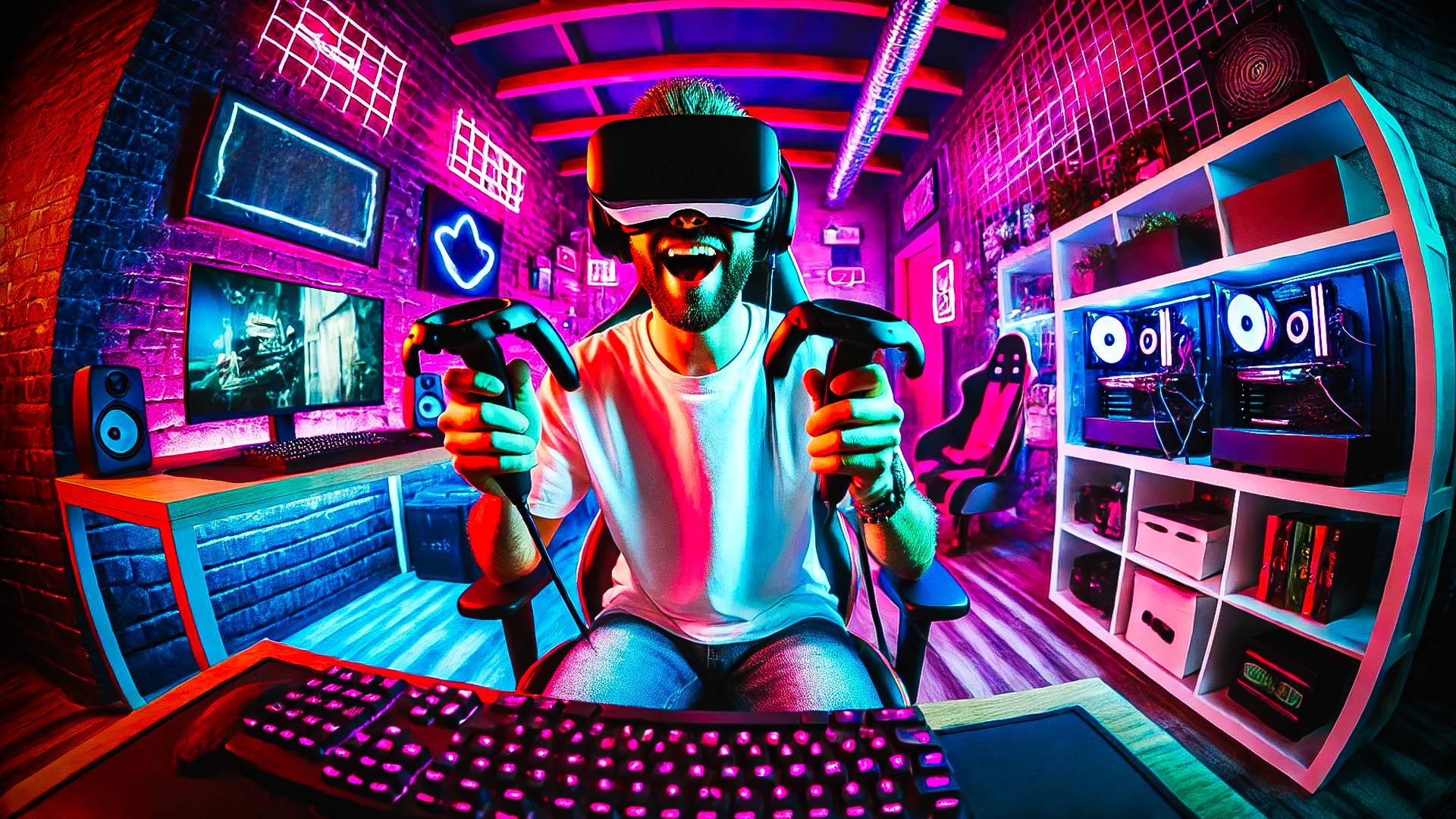
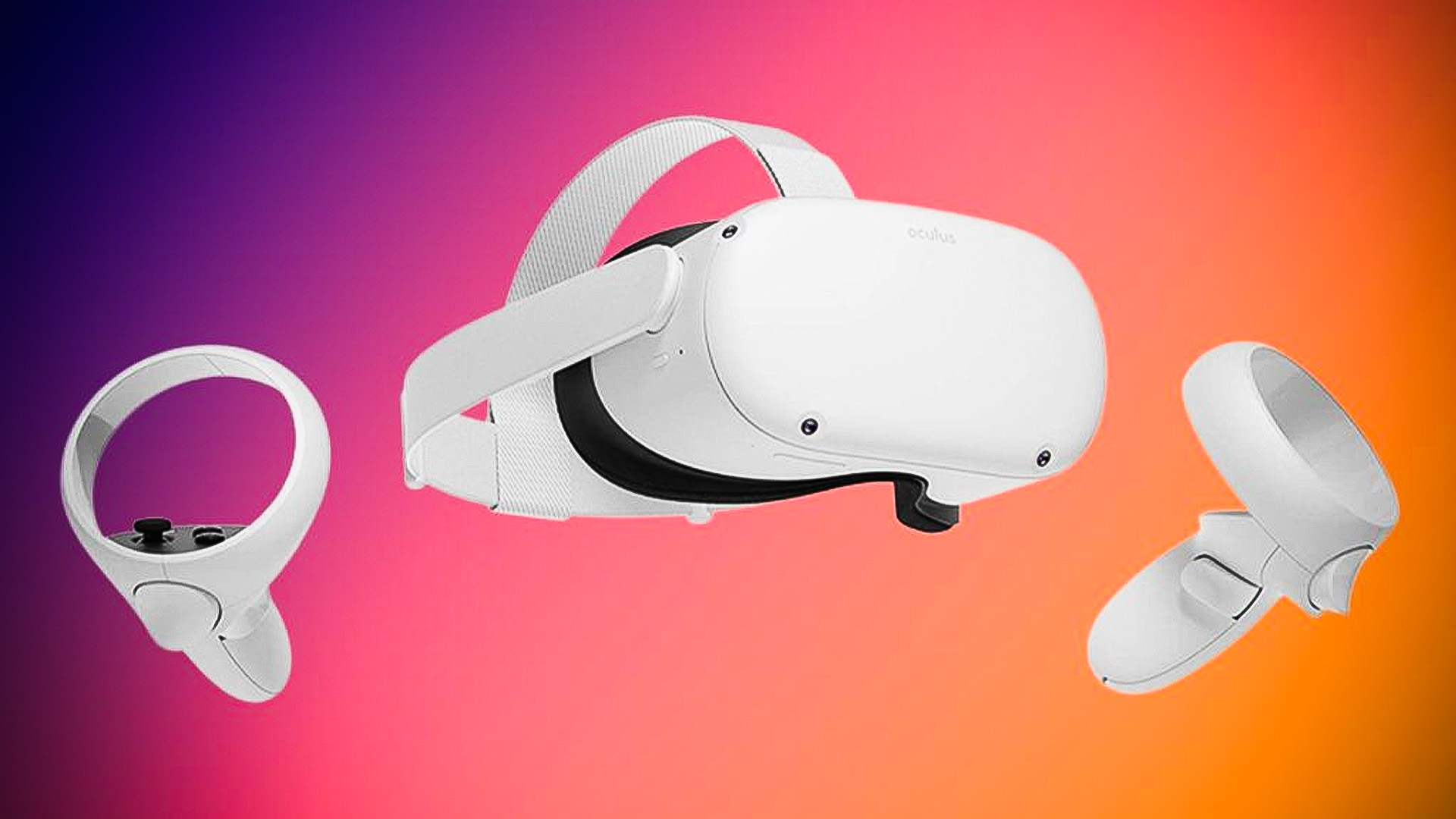
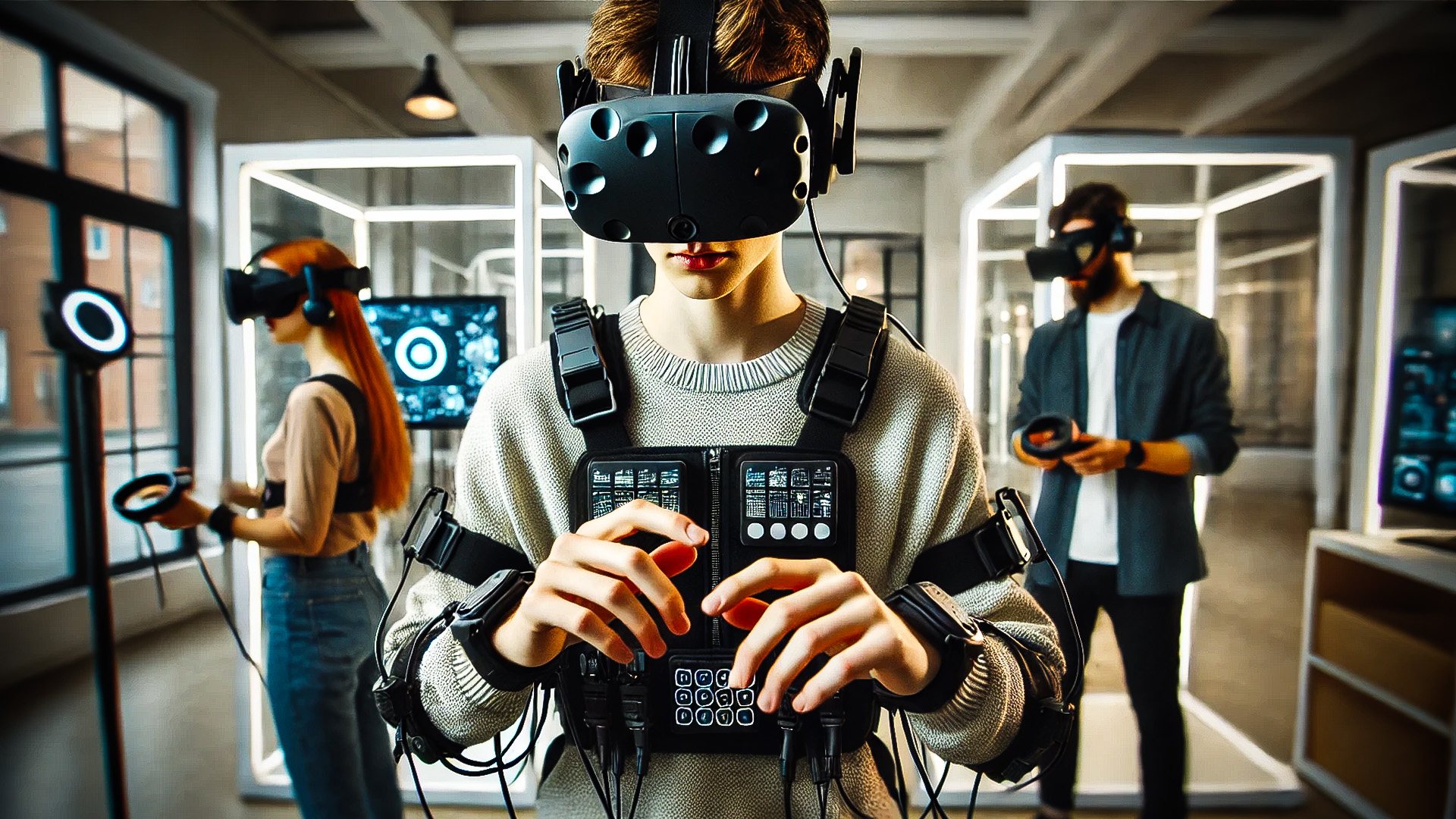
At the core of any VR gaming setup is the headset, the device that transports players into the virtual world. Modern VR headsets are marvels of technology, featuring high-resolution displays, wide field-of-view optics, and precise motion tracking. These elements work in harmony to create a seamless and immersive experience, where the virtual environment responds to the player's every move. Beyond the headset, other essential gear includes VR controllers, which allow for natural interaction with the game world, and tracking systems, which ensure that the player's movements are accurately reflected in the game. For more advanced setups, additional accessories such as haptic gloves, motion platforms, and full-body tracking systems can further enhance the immersion, creating a gaming experience that is not just seen and heard, but also felt.
The Evolution of VR Controllers: Precision and Responsiveness
The evolution of VR controllers has been driven by the need for greater precision and responsiveness, allowing for more nuanced and natural interactions in virtual environments. Early VR controllers were relatively simple, offering basic motion tracking and input through buttons or triggers. However, as VR technology has advanced, so too have the controllers. Today's VR controllers feature a range of sensors that track the position and orientation of the player's hands in real-time, enabling fine-grained control over in-game actions. Some controllers, such as the Valve Index controllers, also include finger tracking, allowing for more detailed and expressive gestures. This evolution has not only improved the accuracy and responsiveness of gameplay but has also expanded the possibilities for interaction, making VR games more immersive and engaging than ever before.
The Role of PCs and Consoles in Powering VR Worlds
While the headset and controllers are the most visible components of a VR gaming setup, it is the PC or console that provides the processing power needed to create and render the virtual world. VR games are incredibly demanding in terms of graphics and performance, requiring powerful hardware to maintain a smooth and immersive experience. High-end PCs equipped with the latest GPUs are typically the preferred choice for VR gaming, as they offer the processing power and graphical fidelity needed to run the most demanding titles. However, consoles like the PlayStation 5 have also made significant strides in VR, offering a more accessible and cost-effective option for players who want to experience VR gaming without investing in a high-end PC. As technology continues to advance, we can expect to see further improvements in the performance and accessibility of VR gaming hardware, making it easier than ever for players to step into virtual worlds.
The Expanding VR Game Library: Diversity and Innovation
From Indie to AAA: The Growth of VR Game Titles
The VR game library has grown exponentially in recent years, offering a diverse range of experiences that cater to all types of players. While early VR titles were often experimental or indie-developed, the success of the platform has attracted the attention of major game studios, leading to the development of AAA titles specifically designed for VR. This has resulted in a richer and more varied selection of games, from narrative-driven adventures and immersive simulations to action-packed shooters and puzzle games. The growth of the VR game library has also been fueled by the rise of VR-exclusive platforms like Oculus and SteamVR, which provide developers with the tools and resources needed to create high-quality VR experiences. As the library continues to expand, players can look forward to an ever-growing selection of games that push the boundaries of what VR can offer.
Genre Evolution: How VR is Shaping Game Categories
VR is not just expanding the game library; it is also reshaping existing game genres and creating entirely new ones. Traditional game categories like shooters, RPGs, and puzzle games have been reimagined for VR, with new mechanics and interactions that take full advantage of the immersive medium. For example, VR shooters offer a level of realism and intensity that is unmatched by traditional games, while VR puzzle games challenge players to think spatially and interact with their environment in innovative ways. In addition to redefining existing genres, VR has also given rise to new types of games that are unique to the platform, such as VR escape rooms, virtual art studios, and immersive storytelling experiences. These new genres are a testament to the creative potential of VR and the ways in which it is transforming the gaming landscape.
Notable VR Games That Have Defined the Industry
Several VR games have become iconic within the industry, setting new standards for what is possible in the medium and influencing the development of future titles. One of the most notable is Beat Saber, a rhythm game that combines fast-paced gameplay with precise motion controls, creating an addictive and immersive experience. Another standout is Half-Life: Alyx, a first-person shooter that showcases the potential of VR for delivering AAA-quality experiences, with its detailed environments, complex mechanics, and engaging narrative. Other notable titles include Superhot VR, which uses time manipulation mechanics to create a unique and challenging combat experience, and The Walking Dead: Saints & Sinners, which offers a deep and immersive survival horror experience. These games have not only defined the VR gaming industry but have also demonstrated the wide range of possibilities that the medium offers.
Challenges and Opportunities in VR Gaming
Overcoming Motion Sickness: The Battle for Comfort
Motion sickness has been one of the most significant challenges facing VR gaming, as the disconnect between visual motion and physical sensations can cause discomfort for some players. This issue has been a barrier to widespread adoption, as it can detract from the immersive experience that VR aims to provide. However, developers and hardware manufacturers have made significant strides in addressing this challenge, with improvements in motion tracking, frame rates, and display technology helping to reduce the likelihood of motion sickness. Additionally, game developers are exploring new ways to design experiences that minimize the potential for discomfort, such as teleportation-based movement systems and the use of fixed reference points within the game world. While motion sickness remains a challenge, the ongoing efforts to mitigate its effects are making VR gaming more comfortable and accessible for a wider audience.
Accessibility and Cost: Making VR Gaming More Inclusive
Another challenge facing VR gaming is accessibility, both in terms of the physical requirements of the technology and the cost of entry. High-end VR setups can be expensive, requiring a powerful PC or console in addition to the VR hardware itself. This has limited the accessibility of VR gaming to a niche audience, primarily those who are willing and able to invest in the necessary equipment. However, there are ongoing efforts to make VR more accessible, with the development of standalone VR headsets that offer a more affordable and user-friendly entry point. Additionally, there is a growing focus on making VR games and experiences more accessible to players with disabilities, with features such as customizable controls, adjustable settings, and support for assistive technologies. These efforts are helping to broaden the appeal of VR gaming and make it more inclusive for all players.
Opportunities for Developers: Pushing Creative Boundaries
While VR gaming presents its challenges, it also offers significant opportunities for developers to push creative boundaries and explore new possibilities in game design. The immersive nature of VR allows developers to create experiences that are not possible in traditional gaming, such as fully interactive environments, complex spatial puzzles, and innovative gameplay mechanics. VR also opens up new avenues for storytelling, with the ability to place players directly in the shoes of the protagonist and create a more personal and emotional connection to the narrative. For developers, VR represents a blank canvas, offering the freedom to experiment and innovate in ways that were previously unimaginable. As the technology continues to evolve, we can expect to see even more groundbreaking and inventive VR games that challenge our expectations and redefine what gaming can be.
The Future of VR in Gaming: What's Next?
The Potential of Social VR: Multiplayer and Shared Experiences
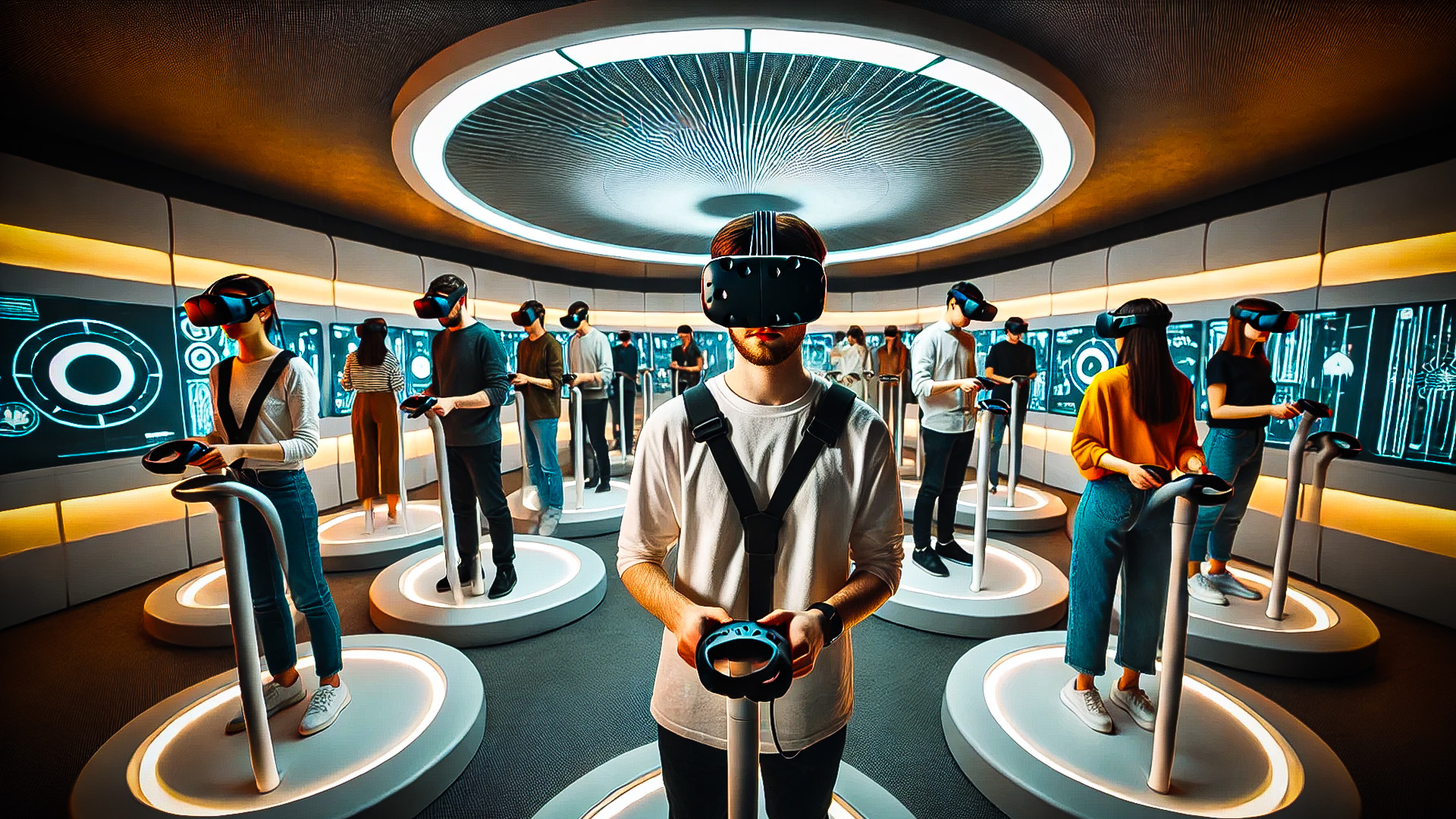
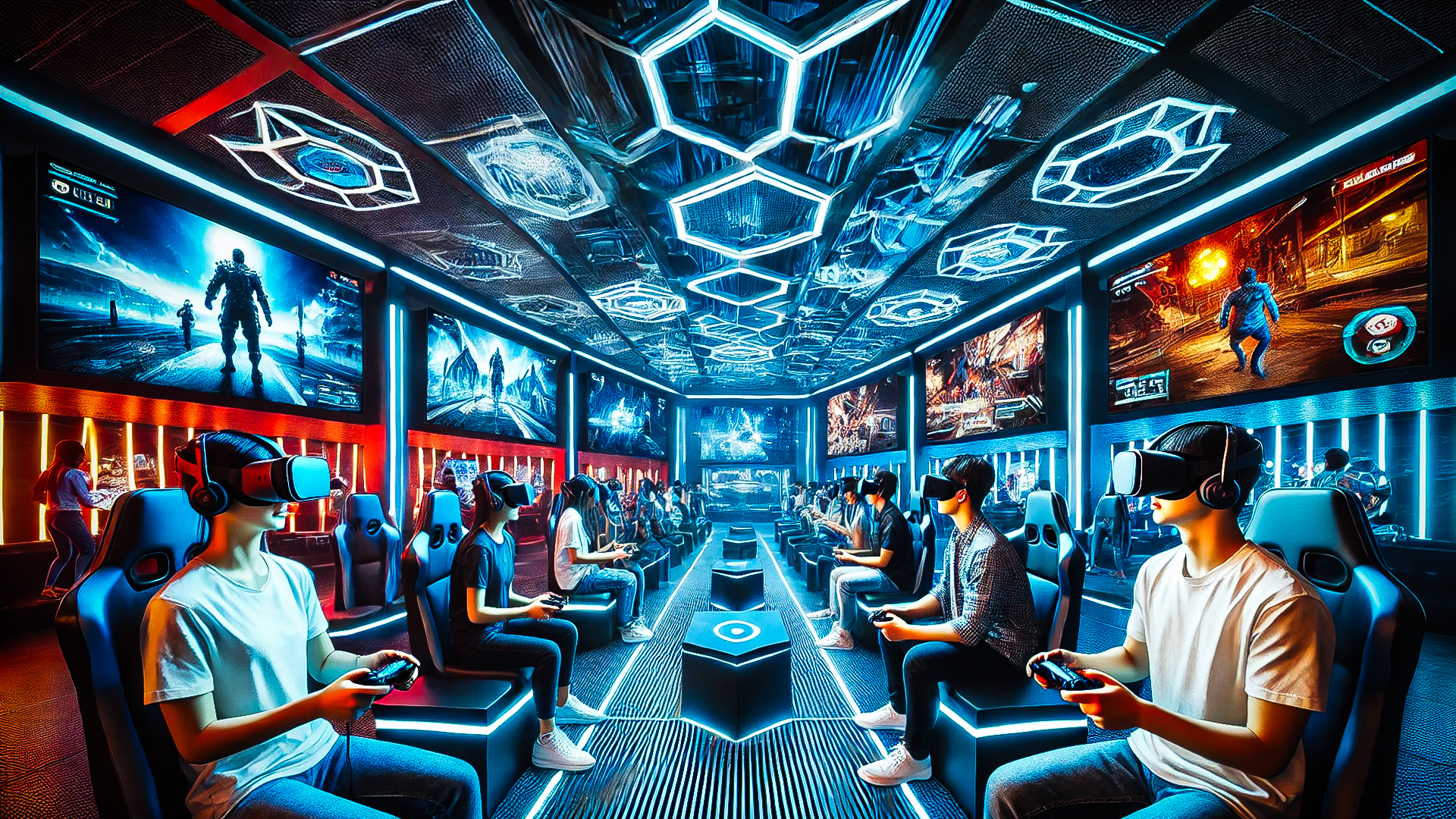
One of the most exciting prospects for the future of VR gaming is the potential for social VR, where players can share virtual spaces and experiences with others in real-time. Social VR has the potential to revolutionize multiplayer gaming, creating new opportunities for collaboration, competition, and social interaction. In a social VR environment, players can meet up with friends, explore virtual worlds together, and participate in shared activities, all within the immersive context of VR. This has the potential to create more meaningful and engaging multiplayer experiences, as players can communicate and interact with each other in ways that feel more natural and authentic. As social VR technology continues to develop, we can expect to see more games and platforms that take advantage of this potential, offering new and innovative ways for players to connect and interact in virtual spaces.
AI and VR: How Artificial Intelligence Will Shape Future Games
Artificial intelligence (AI) is another technology that has the potential to transform the future of VR gaming, offering new possibilities for dynamic and responsive gameplay. AI can be used to create more intelligent and adaptive NPCs, who can react to the player's actions in real-time and offer more personalized and challenging experiences. In addition to improving NPC behavior, AI can also be used to create more immersive and realistic environments, with procedurally generated worlds that respond to the player's choices and actions. AI can also be used to enhance the overall experience, with adaptive difficulty settings, personalized recommendations, and more intuitive user interfaces. As AI technology continues to advance, we can expect to see more VR games that leverage its capabilities to create richer and more immersive experiences.
The Convergence of AR and VR: Blurring the Lines Between Realities
The future of VR gaming may also see the convergence of augmented reality (AR) and virtual reality, as these technologies continue to evolve and mature. AR, which overlays digital content onto the real world, offers a different type of immersive experience than VR, but the two technologies share many similarities and can complement each other in interesting ways. For example, AR could be used to create hybrid experiences, where virtual elements are integrated into the real world, or VR could be used to enhance AR experiences with fully immersive environments. The convergence of AR and VR has the potential to create new types of experiences that blur the lines between the real and virtual worlds, offering new opportunities for innovation and creativity in game design. As these technologies continue to develop, we can expect to see more games and experiences that take advantage of the unique capabilities of both AR and VR.
The Lasting Impact of VR on the Gaming Industry
VR has already had a significant impact on the gaming industry, transforming the way games are created, played, and experienced. From the immersive gameplay and innovative interactions to the new genres and experiences that have emerged, VR has changed the landscape of gaming in profound ways. As the technology continues to evolve and mature, we can expect to see even more changes, with VR becoming an increasingly important part of the gaming ecosystem. Whether it's through the development of new hardware, the creation of innovative games, or the exploration of new possibilities for social interaction and storytelling, VR is poised to leave a lasting legacy on the gaming industry.
Why VR is Here to Stay: A Look Ahead
While VR is still a relatively young technology, it has already proven its potential to revolutionize gaming and create new and exciting experiences for players. As the technology continues to improve and become more accessible, we can expect to see even greater adoption and integration of VR into the gaming industry. With the continued development of new hardware, software, and experiences, VR is set to become an integral part of the gaming landscape, offering players new and innovative ways to engage with their favorite games. As we look ahead to the future, it's clear that VR is here to stay, and its impact on the gaming industry will only continue to grow in the years to come.
The Future of VR in Gaming