

How VR and AR are Shaping Sports Training's Future
Author
Elisha Roodt
Date Published

The landscape of sports training is continuously evolving, driven by the relentless pursuit of peak performance. Traditional methods, once the cornerstone of athletic development, are gradually being supplemented'and in some cases, supplanted'by technological advancements. As athletes and coaches strive for every possible edge, Virtual Reality (VR) and Augmented Reality (AR) are emerging as powerful tools that promise to revolutionize the way sports training is conducted. These cutting-edge technologies offer a glimpse into the future of sports, where immersive environments and real-time data converge to create training experiences previously unimaginable.
The Evolution of Sports Training Technology
Historical Perspective on Training Methods
For centuries, sports training has relied on the fundamentals: physical drills, repetitive practice, and the watchful eye of a coach. Whether it was the ancient Olympians honing their skills in rudimentary gymnasiums or modern athletes perfecting their craft on well-manicured fields, the essence of training has remained consistent. However, as sports became more competitive and science began to play a larger role, the methods of training evolved. The introduction of film analysis in the mid-20th century was a significant leap forward, allowing coaches to break down an athlete's performance frame by frame.
Rise of Digital and Interactive Training Tools
The digital age brought about an unprecedented transformation in sports training. High-speed cameras, motion capture systems, and biomechanical analysis tools became integral to an athlete's regimen. These innovations enabled coaches to provide feedback with a level of precision that was previously unattainable. Interactive training tools, such as simulation software and online platforms, also began to emerge, offering athletes the ability to visualize plays, analyze opponents, and refine their strategies in a virtual setting.
The Advent of VR and AR in the Sports Industry
As digital technology advanced, the next logical step was the incorporation of VR and AR into sports training. These technologies offer immersive experiences that can replicate the intensity and pressure of real-world competition. VR, with its ability to create fully immersive environments, allows athletes to train in virtual arenas that mimic actual game conditions. AR, on the other hand, overlays digital information onto the physical world, providing athletes with real-time data and visual cues during training. Together, VR and AR are pushing the boundaries of what is possible in sports training, offering new avenues for skill development and performance enhancement.
How VR is Transforming Sports Training
Immersive Practice Scenarios: Training in a Virtual Game Environment
One of the most significant benefits of VR in sports training is the ability to create immersive practice scenarios. Athletes can be placed in a virtual environment that replicates the exact conditions of a live game, complete with the sights, sounds, and pressures they would face in real life. This level of immersion allows athletes to practice their skills in a controlled yet realistic setting, honing their reactions and decision-making abilities. For example, a quarterback can practice reading defenses and making split-second decisions, all within a virtual stadium filled with simulated fans and opponents.
Injury Prevention and Rehabilitation: Using VR for Safe Recovery
Injury is an inevitable part of sports, but VR offers a new way to approach both prevention and rehabilitation. By simulating game situations, VR can help athletes improve their awareness and technique, reducing the risk of injury. Moreover, for athletes recovering from injuries, VR provides a safe environment where they can gradually reintroduce themselves to the demands of their sport without the physical risks associated with real-world practice. Virtual environments can be tailored to the specific needs of the athlete, allowing them to focus on rehabilitation exercises while still engaging with the sport they love.
Performance Analysis: Real-Time Feedback and Improvement
Another transformative aspect of VR is its ability to provide real-time feedback. As athletes engage in virtual training sessions, coaches can analyze their movements, strategies, and decisions in real-time, offering immediate corrections and guidance. This level of instant feedback accelerates the learning process, enabling athletes to make adjustments on the fly and improve their performance more rapidly than traditional methods allow. The ability to replay and analyze each training session in detail also contributes to a deeper understanding of one's strengths and weaknesses, fostering continuous improvement.
The Role of AR in Enhancing Athletic Performance
Augmented Coaching: Real-Time Guidance and Strategy Implementation
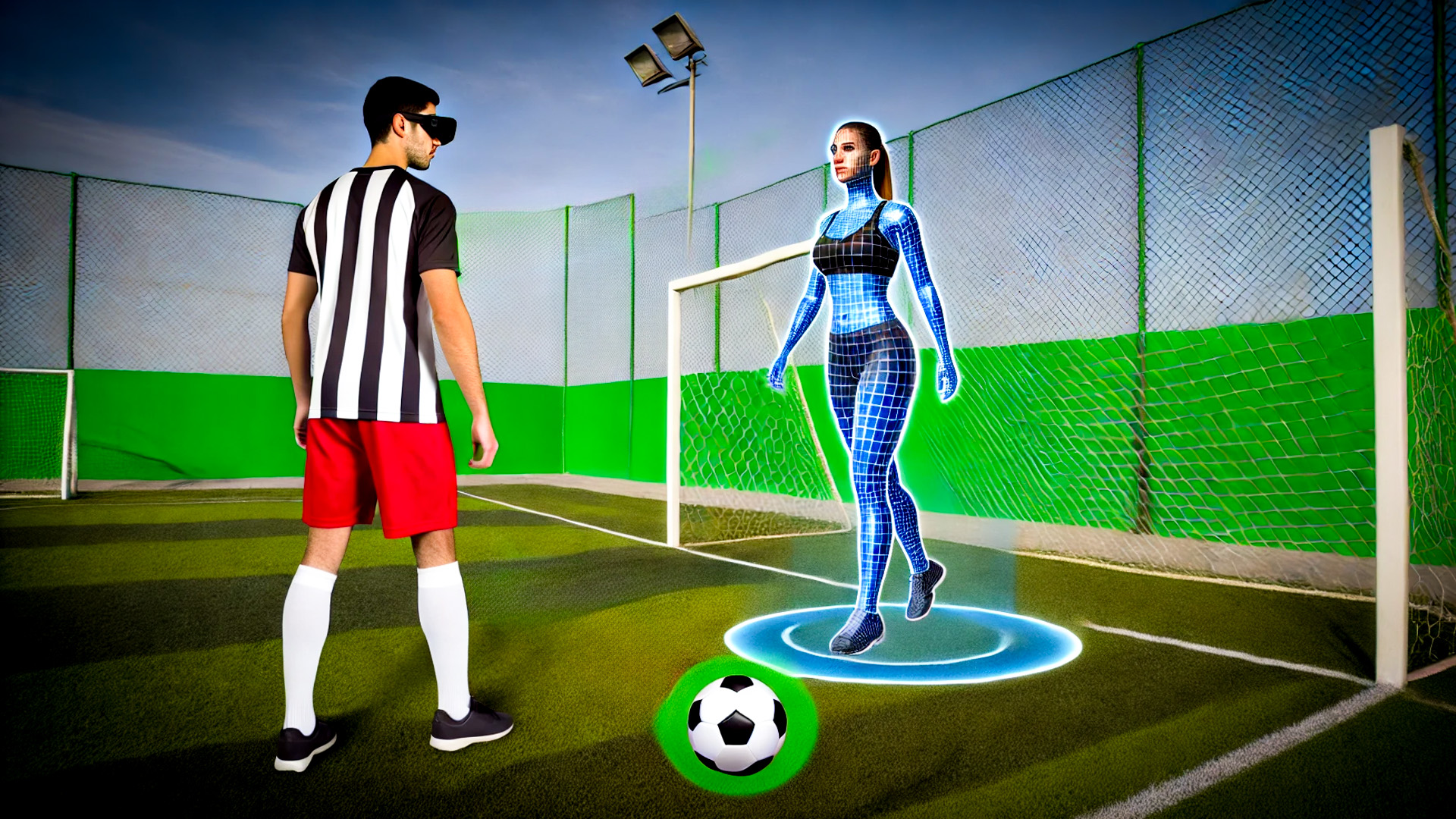
AR has the unique ability to blend digital information with the physical world, making it an invaluable tool for augmented coaching. Coaches can use AR to provide real-time guidance during training sessions, overlaying instructions, strategies, and visual cues directly onto the athlete's field of view. This form of augmented coaching allows athletes to make adjustments in real-time, enhancing their learning experience and improving their ability to execute strategies under pressure. Imagine a soccer player being able to see the optimal passing lanes highlighted on the field as they move, or a tennis player receiving instant feedback on their swing mechanics during practice.
Enhanced Visualization: Bringing Data to Life on the Field
Data is at the heart of modern sports training, but raw numbers and statistics can be difficult to translate into actionable insights. AR changes this by bringing data to life on the field. Athletes can see performance metrics, such as speed, heart rate, and fatigue levels, displayed in their line of sight as they train. This immediate access to data allows for more informed decision-making and enables athletes to adjust their intensity and technique in real-time. Enhanced visualization through AR can also help athletes better understand complex plays and strategies, making it easier to execute them during actual competition.
AR Wearables: Integrating Technology into Daily Training Routines
The integration of AR wearables into daily training routines is another way this technology is enhancing athletic performance. Devices such as smart glasses and AR headsets provide athletes with a continuous stream of information, from workout plans to biometric data, without interrupting their focus. These wearables can track an athlete's movements and provide real-time feedback, helping them refine their technique and avoid common mistakes. By seamlessly integrating into the training process, AR wearables make it easier for athletes to stay on top of their game and push their performance to new heights.
Case Studies: VR and AR in Action
Professional Teams Leading the Charge: Success Stories from Major Sports
The adoption of VR and AR by professional teams has led to several success stories that highlight the transformative power of these technologies. In the NFL, teams like the Dallas Cowboys have integrated VR into their training programs, allowing quarterbacks to simulate thousands of game scenarios without the physical toll of repeated drills. In soccer, clubs like Manchester City use AR to enhance their tactical training, giving players real-time data on their positioning and decision-making during practice. These case studies demonstrate how VR and AR are not just experimental tools but are becoming integral to the training regimens of top-tier athletes.
Youth and Amateur Sports: Bridging the Gap with Technology
While professional teams have been early adopters, VR and AR are also making their way into youth and amateur sports. These technologies are helping to bridge the gap between elite athletes and those still developing their skills. For young athletes, VR provides a safe and controlled environment to practice and improve, while AR offers real-time coaching that can accelerate their learning curve. This democratization of technology ensures that the benefits of VR and AR are accessible to a broader range of athletes, helping to nurture the next generation of sports stars.
Individual Athletes: Personalized Training with VR and AR
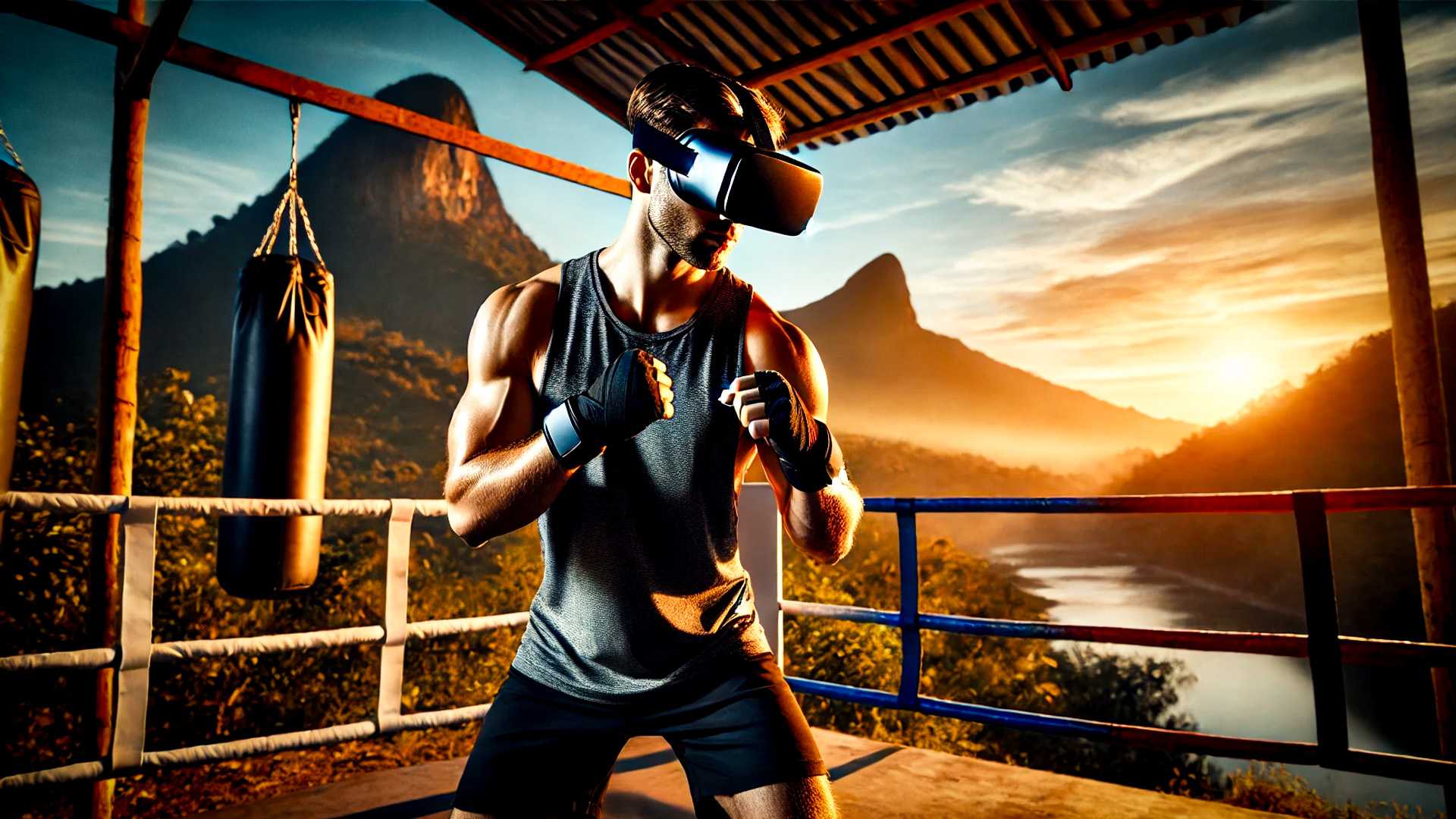
VR and AR are not limited to team sports; individual athletes are also reaping the benefits of personalized training programs. From golfers fine-tuning their swing to boxers perfecting their footwork, VR allows athletes to immerse themselves in a virtual world where they can focus on specific aspects of their performance. AR, on the other hand, offers the ability to analyze and adjust technique in real-time, providing a level of personalization that was previously unattainable. These technologies empower individual athletes to take control of their training and achieve their personal best.
The Benefits of VR and AR in Sports Training
Enhanced Engagement: Keeping Athletes Motivated and Focused
One of the most significant benefits of VR and AR in sports training is the enhanced engagement they offer. Traditional training methods can sometimes become monotonous, leading to a decline in motivation and focus. VR and AR, with their immersive and interactive nature, keep athletes engaged by offering varied and dynamic training experiences. Whether it's the thrill of competing in a virtual game or the challenge of following real-time instructions in an augmented environment, these technologies make training more enjoyable and effective.
Precision and Accuracy: Fine-Tuning Skills with Technological Assistance
Precision is paramount in sports, and VR and AR provide the tools necessary to fine-tune skills with an unprecedented level of accuracy. Virtual environments can be precisely calibrated to replicate specific conditions, allowing athletes to practice with exacting detail. AR's ability to overlay data and visual cues on the real world further enhances this precision, helping athletes make micro-adjustments to their technique that can lead to significant improvements in performance. This technological assistance ensures that athletes are not just training hard but training smart.
Cost-Effectiveness: Reducing the Need for Physical Resources
While the initial investment in VR and AR technology can be significant, these tools can ultimately be cost-effective by reducing the need for physical resources. For example, VR can simulate various playing environments, eliminating the need for travel to different locations. AR can provide real-time coaching and analysis, reducing the need for constant in-person guidance. Over time, these savings can offset the costs of the technology, making VR and AR a financially viable option for sports organizations at all levels.
Challenges and Limitations
Technological Barriers: Accessibility and Affordability Issues
Despite the many benefits, the adoption of VR and AR in sports training is not without challenges. One of the primary barriers is the accessibility and affordability of these technologies. High-quality VR and AR systems can be expensive, making them less accessible to smaller sports organizations and amateur athletes. Additionally, the technology is still evolving, and not all athletes or coaches are familiar with its use, which can hinder its widespread adoption.
Resistance to Adoption: Traditionalist Views and Hesitations
Change is often met with resistance, and the sports world is no exception. Many athletes and coaches who are accustomed to traditional training methods may be hesitant to embrace VR and AR. There is a learning curve associated with these technologies, and some may question their effectiveness compared to tried-and-true methods. Overcoming this resistance requires not only education and training but also evidence of the tangible benefits that VR and AR can bring to sports training.
The Future of Integration: Overcoming Current Limitations
As VR and AR technology continues to develop, it will be essential to address the current limitations and challenges. This includes making the technology more affordable and accessible, improving the user experience, and providing more training and support for coaches and athletes. The future of VR and AR in sports training will depend on how effectively these barriers are overcome, allowing these technologies to become a standard part of athletic development.
The Future of VR and AR in Sports
Emerging Trends: What's Next in Sports Technology
Looking ahead, the future of VR and AR in sports training is filled with exciting possibilities. Emerging trends include the development of more advanced wearables that integrate seamlessly with VR and AR systems, providing even more detailed data and feedback. There is also potential for the creation of fully immersive virtual training environments that can replicate not just the physical conditions of a sport but also the psychological aspects, such as crowd noise and pressure. These trends suggest that VR and AR will continue to evolve and become even more integral to sports training in the years to come.
Potential Impact on Global Sports: Leveling the Playing Field
As VR and AR technology becomes more accessible, it has the potential to level the playing field in global sports. Athletes from developing countries or underserved communities who may not have access to top-tier facilities and coaching can use VR and AR to train at a high level. This democratization of technology could lead to a more diverse and competitive sports landscape, where talent and determination matter more than geographic location or financial resources.
Long-Term Implications for Athletes and Coaches
The long-term implications of VR and AR in sports training are profound. For athletes, these technologies offer the opportunity to train more effectively, prevent injuries, and extend their careers. For coaches, VR and AR provide powerful tools for analyzing performance, developing strategies, and enhancing communication with athletes. As these technologies become more deeply integrated into sports training, they will likely lead to new approaches to athletic development and a redefinition of what it means to be an elite athlete.
As we look to the future, it is clear that VR and AR are poised to play a transformative role in sports training. These technologies offer unprecedented opportunities for athletes and coaches to enhance performance, reduce injuries, and gain a competitive edge. The journey to widespread adoption may be challenging, but the potential rewards are immense. To stay ahead in the ever-evolving world of sports, it is essential to embrace the innovations that VR and AR bring to the table. The future of sports training is here, and it is virtual.

The Future Of Vr And Ar In Sports