

How VR is Shaping Modern Art and Creativity
Author
Elisha Roodt
Date Published
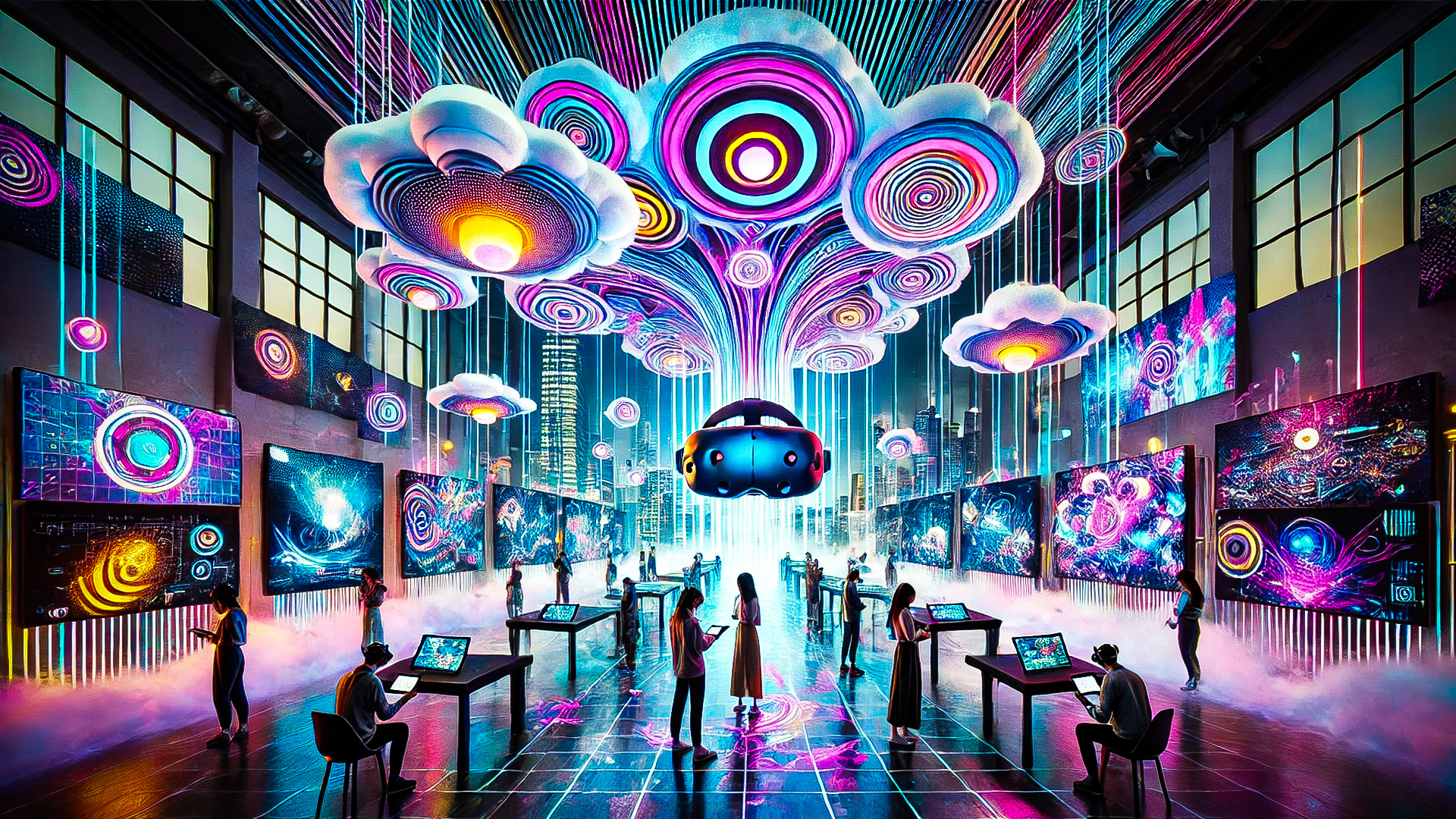
Virtual reality (VR) is not merely a technological advancement; it is a transformative force that is reshaping the very fabric of modern art and creativity. As artists seek to push the boundaries of expression, VR offers a new dimension'a space where imagination can materialize without the constraints of physical reality. This emerging intersection of technology and artistic expression is more than a trend; it represents a paradigm shift in how art is created, experienced, and interpreted.
We are entering a time where technology isn't just a tool to be used but a medium through which new forms of creativity are born. VR brings this concept to life by allowing artists to manipulate not only what the audience sees but how they experience and interact with it. In VR, art transcends the flat canvas or static sculpture; it becomes something immersive and experiential. This expanded realm of artistic potential enables creators to explore new ways of storytelling, concept development, and emotional connection with the viewer.
In this blog, we dive into the evolving role of VR in modern art, exploring its historical roots, the new mediums it fosters, and the profound impact it is having on the art world. By examining both the challenges and opportunities VR presents, we aim to provide a comprehensive understanding of how this technology is influencing the future of creativity.
The Evolution of Modern Art Through Technology
Art has always been intertwined with the tools and technologies of its time. From the invention of the paintbrush to the development of photography, each new innovation has expanded the possibilities for artistic expression. The transition from traditional to digital art marked a significant milestone, enabling artists to experiment with new forms and techniques that were previously unimaginable.
Historically, each major technological leap has reshaped the art landscape. Consider how the invention of the camera in the 19th century shifted painting from a purely representational medium to a more abstract, interpretative form. Photography freed painters from the need to replicate reality, giving rise to movements such as Impressionism and Surrealism. Fast forward to the 20th century, and the advent of digital tools like Adobe Photoshop revolutionized graphic design and fine arts, blurring the lines between photography, painting, and design.
As technology advanced, so too did the mediums through which art could be expressed. The rise of digital art introduced a new era where creativity was no longer confined to canvas or sculpture. Artists began to explore virtual spaces, creating digital works that could only exist in the realm of pixels. These early digital pioneers paved the way for today's VR artists, who use immersive environments to create art that transcends traditional boundaries.
VR, as the latest evolution in this lineage, continues this trajectory of innovation, offering artists a tool that not only changes how they create but also how their audience experiences their work. What distinguishes VR from earlier digital mediums is its capacity to engage viewers on multiple sensory levels simultaneously. The role of VR in continuing this artistic innovation cannot be overstated. It provides a limitless canvas where ideas are not constrained by physical dimensions or traditional materials. Artists can now create immersive experiences that envelop the viewer, offering a new way to interact with and understand art. In this way, VR is not just a new tool; it is a new medium that is redefining the boundaries of creativity.
VR as a New Medium for Artists
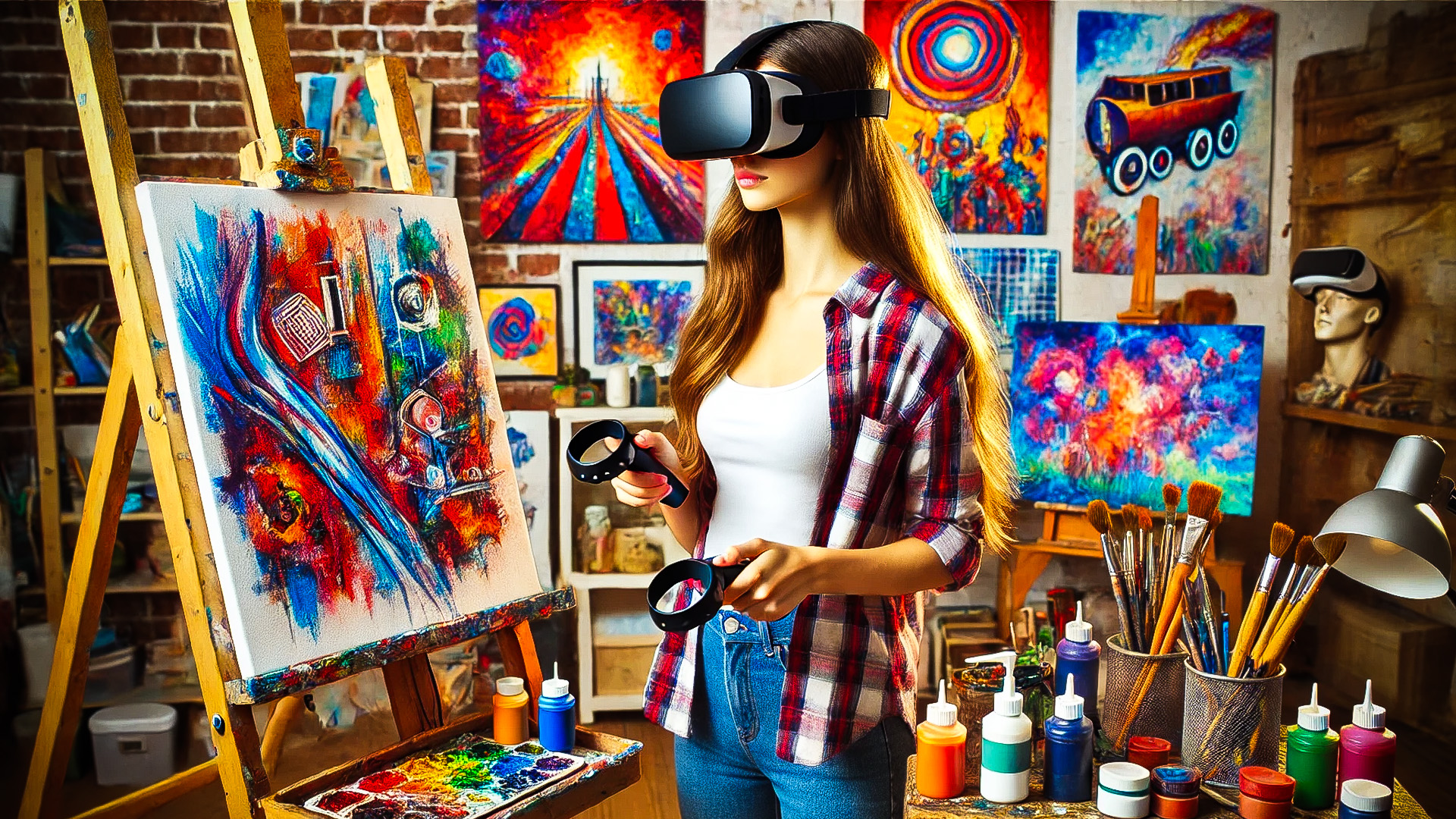
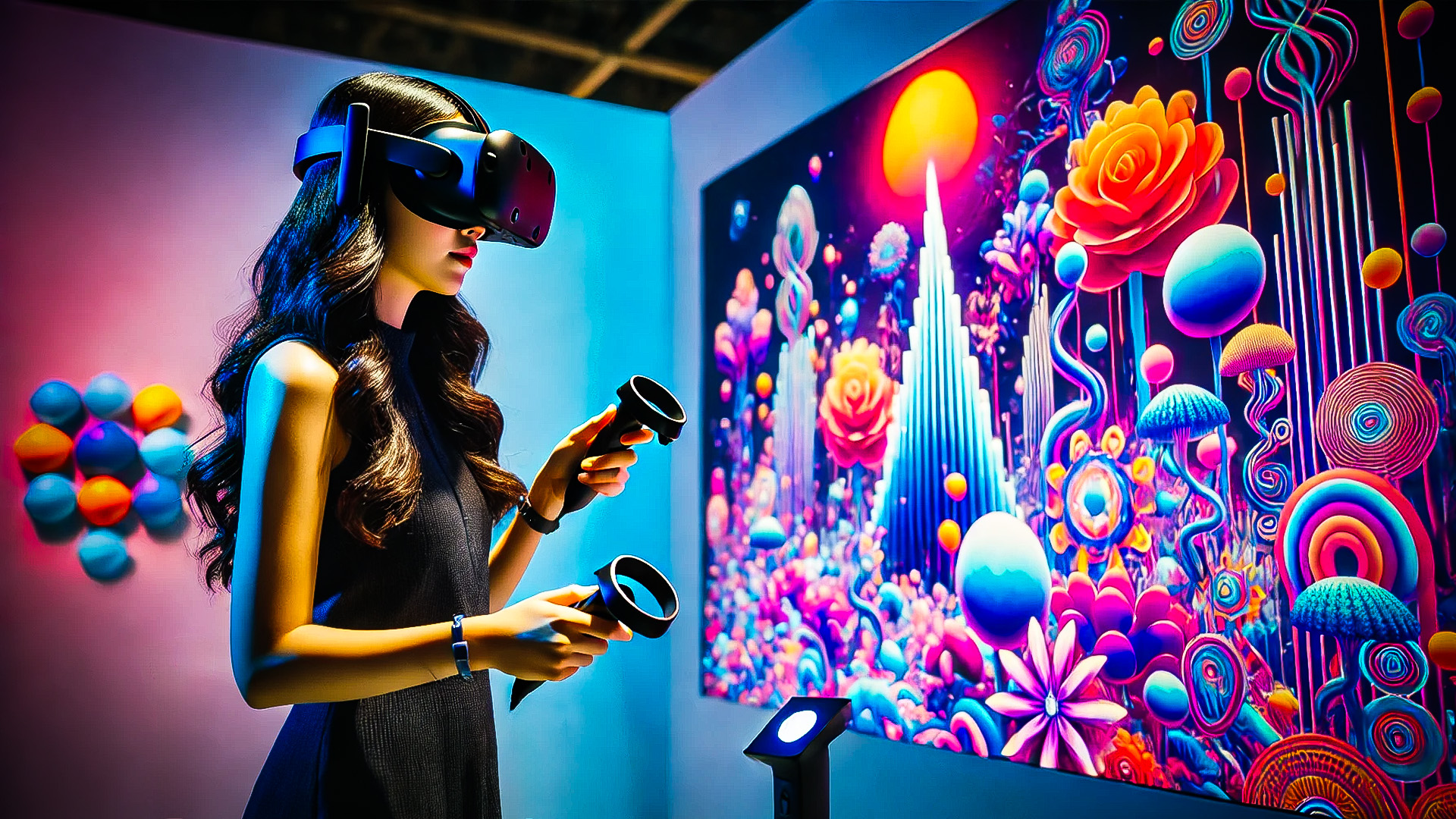
The traditional canvas has long been the cornerstone of visual art, but VR breaks these boundaries, offering an expansive, immersive environment where creativity knows no limits. In this virtual space, artists are no longer confined to two-dimensional surfaces; they can craft entire worlds, manipulate perceptions of space, and play with the concept of reality itself. VR allows for the creation of experiences rather than just images, inviting viewers to step inside the artwork and become part of it.
One of the most fascinating aspects of VR art is its ability to create entire environments. Unlike a static painting that captures a single moment or emotion, VR art can unfold like a narrative or evolve in real-time as the viewer explores. In VR, an artist can craft an otherworldly landscape that visitors traverse, experiencing the artwork dynamically as they move through it. This level of immersion adds a new dimension to artistic expression, blending elements of design, architecture, and even performance art into a single cohesive experience.
Creating in 3D spaces offers a depth of expression that traditional mediums simply cannot match. Artists can sculpt in virtual environments, painting with light and sound, and shaping experiences that engage all the senses. This immersion is not just visual; it is visceral. The viewer does not just see the art'they feel it, move within it, and interact with it in ways that are profoundly personal. The ability to create immersive experiences is a powerful tool for artists, one that opens up new possibilities for how we think about and experience art.
An example of this immersive potential can be seen in the works of contemporary VR artist Rachel Rossin. She merges traditional painting techniques with VR, crafting worlds where physical and digital art coexist and inform one another. Her virtual spaces are both haunting and beautiful, allowing viewers to float through fragmented environments that question the boundary between the real and the imagined.
The tools and platforms available to artists in VR are expanding rapidly. Software like Tilt Brush, Medium, and Gravity Sketch provide intuitive interfaces for creating complex virtual artworks. These platforms empower artists by removing traditional barriers to entry, allowing anyone with a creative vision to explore VR as a medium. Tilt Brush, for instance, allows users to paint in 3D space with brushstrokes made of light, creating an effect that could never be achieved on a traditional canvas. Gravity Sketch offers tools for designing detailed 3D models, giving artists a more sculptural experience in their creative process.
As these tools continue to evolve, they will undoubtedly lead to even more innovative and groundbreaking works. One fascinating development on the horizon is the integration of artificial intelligence (AI) into VR art tools. AI can analyze an artist's style and suggest new forms or compositions, opening up collaborations between human creativity and machine learning that will push the boundaries of what's possible even further.
Creative Expression in Virtual Reality
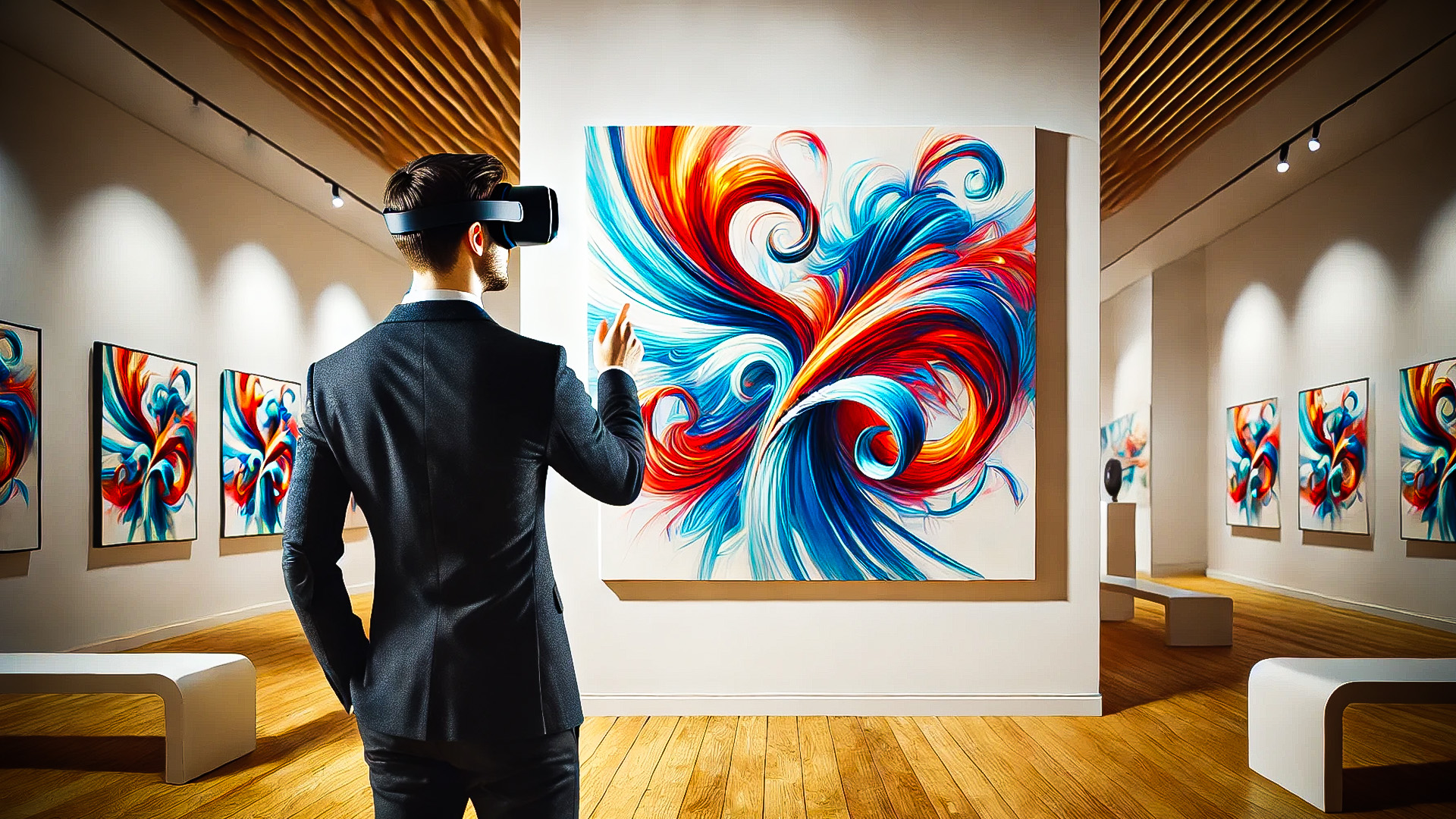
VR redefines how space and perspective are used in art. In the virtual world, space is not just a backdrop; it is an integral part of the artwork. Artists can manipulate spatial dimensions in ways that challenge conventional perceptions, creating disorienting, surreal environments that provoke thought and emotion. This reimagining of space allows for a new kind of artistic expression that is both immersive and transformative.
Take, for example, the work of celebrated VR artist and sculptor Jonathan Yeo. In his VR creation, viewers are invited to step into his sculptures, experiencing them from within rather than just observing them from outside. Yeo's work demonstrates how VR can blur the line between viewer and participant, offering a sense of scale and intimacy that traditional mediums could never achieve.
One of the most exciting aspects of VR art is its ability to enable interactive and participatory experiences. In traditional art, the viewer is a passive observer, but in VR, they become an active participant. They can move through the artwork, interact with its elements, and even alter the experience based on their actions. This interactivity adds a dynamic layer to the creative process, making each viewing experience unique. Artists like Chris Milk have pioneered the concept of interactive storytelling through VR, creating emotional experiences that respond to the viewer's gaze and movement within the space.
The emotional impact of experiencing art in VR is profound. The immersive nature of VR can evoke strong emotional responses, as the viewer is completely surrounded by the artwork. This can lead to a deeper connection with the piece, as the viewer is not just looking at it'they are living it. The ability to create such powerful emotional experiences is one of the key reasons why VR is revolutionizing the art world.
Imagine standing in the center of a digitally recreated Van Gogh painting, where the stars in the night sky twinkle above your head and the brushstrokes of the artist seem to move around you. This is the level of emotional engagement VR can bring to art, transforming passive observation into a multisensory experience. The immersive environments of VR can evoke emotions ranging from awe to fear to serenity, depending on the artist's intention. This level of engagement not only enhances the viewer's connection to the art but also allows for more nuanced and complex interpretations of the work.
Case Studies of VR in Modern Art
The integration of Virtual Reality (VR) into the art world is revolutionizing how art is created, displayed, and experienced. This transformative technology offers artists a new canvas and audiences an immersive experience that defies traditional boundaries. By examining several case studies of pioneering artists and major exhibitions, we can better understand the profound impact VR is having on modern art.
Pioneering Artists and Their VR Creations
Major Exhibitions and Galleries Embracing VR
The Role of Technology and Collaboration
The development of VR art is not solely reliant on artistic vision; it also depends heavily on technological innovation and collaboration. The synergy between technologists and artists is crucial in pushing the boundaries of VR art.
Challenges and Opportunities for Artists in VR
While VR offers exciting new opportunities for artists, it also presents several challenges that must be addressed to fully realize its potential.
The Future of Art and Creativity in a VR World
Looking forward, the influence of VR on art and creativity is poised to expand further. As more artists adopt VR, we can expect to see new artistic trends and innovations emerge.
Virtual Reality is not just a tool for creating art; it is a transformative force that is reshaping the very nature of creativity. By offering new ways to experience and interact with art, VR is breaking down traditional boundaries and opening up a world of possibilities for artists and audiences alike. As technology continues to advance, the fusion of art and VR will only grow stronger, leading to even more innovative and groundbreaking works.
Artists who embrace VR as a creative medium will be at the forefront of this new artistic movement, shaping the future of art itself. Through immersive experiences, interactive creations, and new forms of expression, the impact of VR on modern art and creativity is profound and limitless. As we look to the future, it is clear that VR will play a pivotal role in the evolution of art, offering exciting new opportunities for exploration, expression, and engagement.
Challenges And Opportunities For Artists In Vr 1