

Oculus Go VR
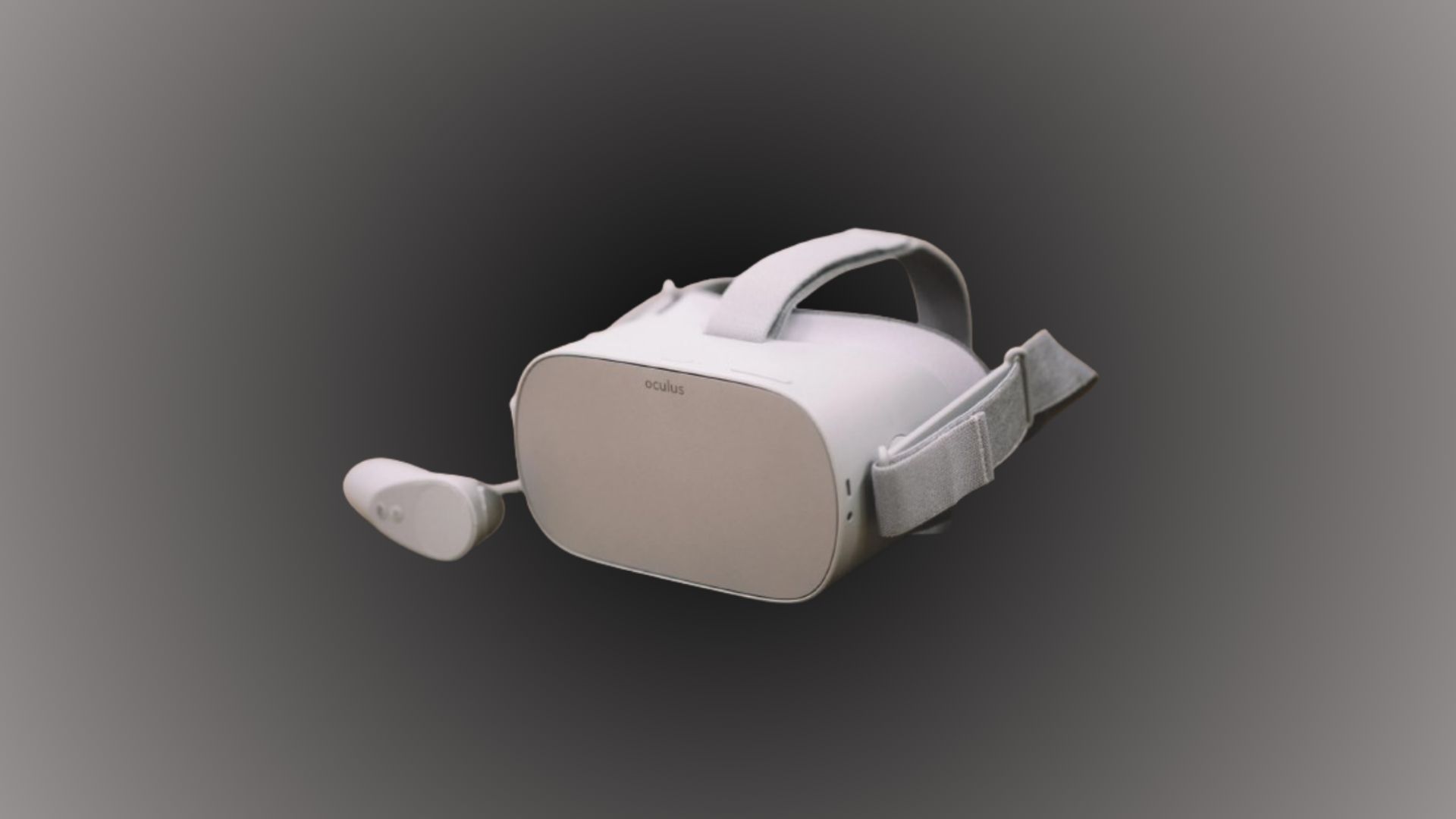
The Oculus Go, launched in May 2018, marked a significant milestone in the evolution of virtual reality (VR) technology. It was Oculus' first standalone VR headset, offering an accessible and affordable entry point into the immersive world of VR without the need for a PC, console, or external sensors. This device bridged the gap between high-end VR systems and mobile VR experiences, democratizing VR for a broader audience.
Design and Comfort
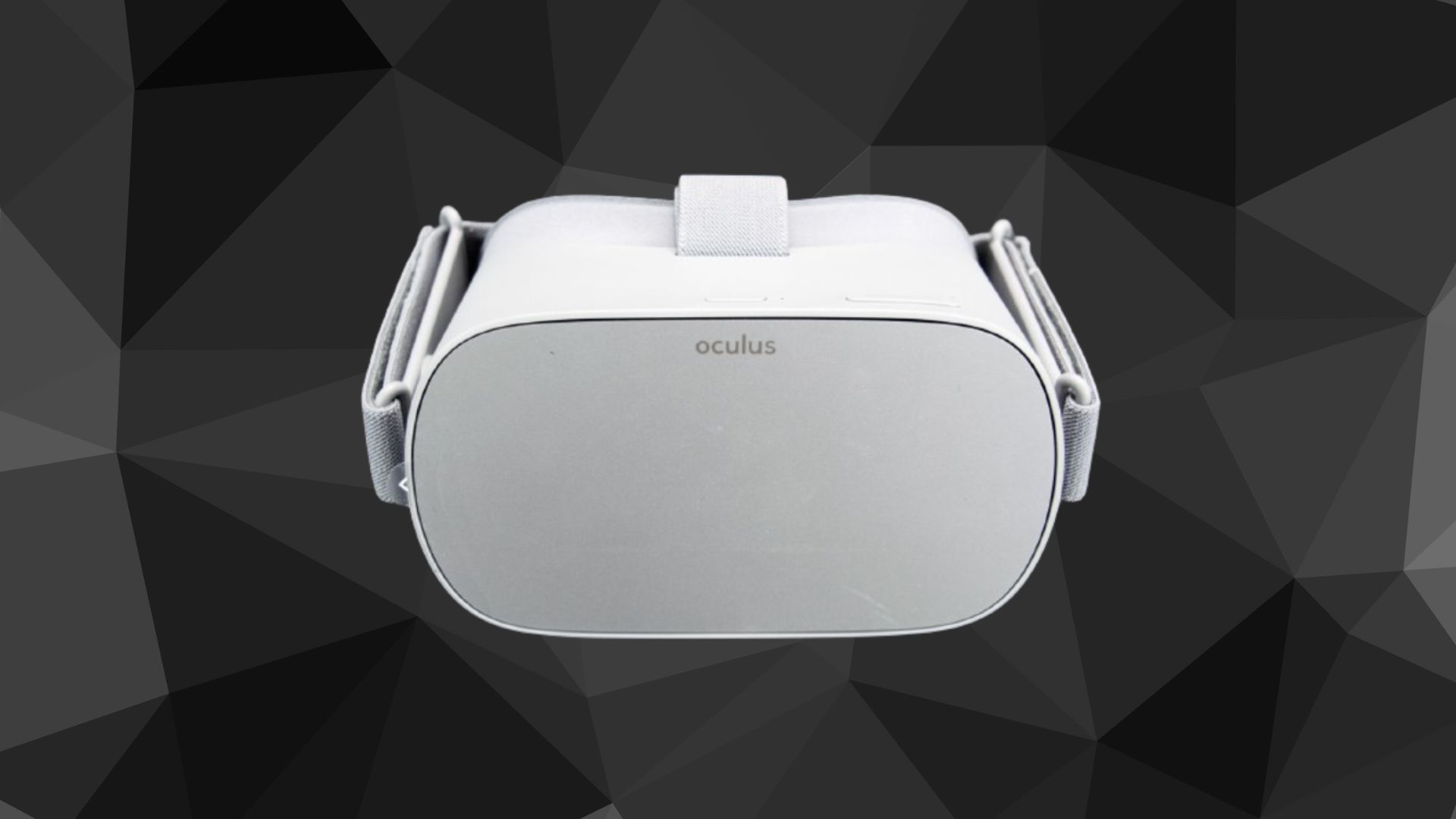
One of the standout features of the Oculus Go is its design. The headset is sleek, lightweight, and comfortable, making it suitable for extended use. Oculus put a strong emphasis on ergonomics, employing breathable fabrics and a contoured foam faceplate that fits snugly against the user's face. The weight distribution is well-balanced, preventing undue pressure on the forehead or cheeks. Adjustable straps ensure a secure fit for various head sizes, while the minimalist aesthetic appeals to a wide range of users.
Display and Visuals
The Oculus Go features a 5.5-inch LCD display with a resolution of 2560 x 1440 pixels (1280 x 1440 per eye). This resolution, combined with fast-switching LCD technology, minimizes the screen door effect'a common issue in early VR headsets where the gaps between pixels are visible. The result is clear, vibrant visuals that enhance the sense of immersion. The field of view is approximately 101 degrees, which, while not as wide as some high-end headsets, provides a satisfactory and encompassing experience for most users.
Audio
Audio is a critical component of the VR experience, and Oculus Go excels in this area. The headset features built-in spatial audio, with speakers integrated into the head strap. This design choice eliminates the need for additional headphones, making the setup more streamlined and user-friendly. The audio quality is impressive, providing clear and immersive soundscapes that complement the visual experience. For those who prefer using their headphones, a 3.5mm audio jack is also available.
Performance and Usability
At its core, the Oculus Go is powered by a Qualcomm Snapdragon 821 processor, a chipset that was originally designed for high-end smartphones. While not the most powerful option available, it is more than adequate for the majority of VR applications and games available on the platform. The Go's performance is smooth and responsive, with minimal latency, ensuring a comfortable and enjoyable VR experience.
The device operates on a modified version of the Android operating system, with a user interface specifically designed for VR. The Oculus Store provides access to a vast library of apps, games, and experiences, ranging from immersive storytelling and virtual tourism to productivity tools and social VR platforms. The content is tailored to the hardware capabilities of the Go, ensuring compatibility and optimal performance.
Controller and Interaction
The Oculus Go comes with a single, hand-held controller that uses a combination of buttons, a touchpad, and motion tracking to enable interaction with the virtual environment. The controller is simple yet effective, allowing users to point, click, and navigate with ease. While it lacks the full positional tracking capabilities of more advanced VR systems, it offers a sufficient level of interaction for most applications. The simplicity of the controller also contributes to the overall accessibility of the device, making it easy for newcomers to VR to pick up and use.
Battery Life and Portability
Battery life is an important consideration for any portable device, and the Oculus Go delivers respectable performance in this area. Users can expect between 2 to 2.5 hours of continuous use on a single charge, depending on the intensity of the applications being run. The headset charges via a micro-USB port, and it can also be used while plugged in, although this limits mobility.
The standalone nature of the Oculus Go makes it inherently portable. Without the need for external hardware or a tethered connection, users can easily take the device with them wherever they go. This portability opens up a wide range of possibilities for VR experiences on the go, whether it's bringing immersive entertainment to a friend's house or using VR for educational purposes in different settings.
Accessibility and Impact
One of the most significant achievements of the Oculus Go is its role in making VR more accessible to a wider audience. Prior to its release, high-quality VR experiences were largely confined to expensive systems requiring powerful PCs or gaming consoles. The Oculus Go's standalone design, coupled with its relatively affordable price point, lowered the barrier to entry and brought VR within reach of many more people.
The impact of this accessibility is profound. Educational institutions, for example, have adopted the Oculus Go for use in classrooms, providing students with immersive learning experiences that would otherwise be unattainable. Healthcare professionals have utilized the device for therapeutic applications, such as pain management and exposure therapy. The Go has also found a place in the corporate world, where it is used for training, virtual meetings, and remote collaboration.
Legacy and Evolution
While the Oculus Go has since been succeeded by more advanced standalone headsets like the Oculus Quest and Quest 2, its legacy remains significant. The Go demonstrated the viability of standalone VR and paved the way for the development of more powerful and versatile devices. It showed that VR could be both high-quality and accessible, setting a standard for future innovations in the field.
The Oculus Go was a pioneering product that brought virtual reality to a broader audience. Its thoughtful design, accessible price point, and robust performance made it a significant step forward in the evolution of VR technology. As VR continues to grow and evolve, the Oculus Go will be remembered as a crucial milestone that helped shape the future of immersive experiences.
Oculus Go