

Traditional Real Estate Photography
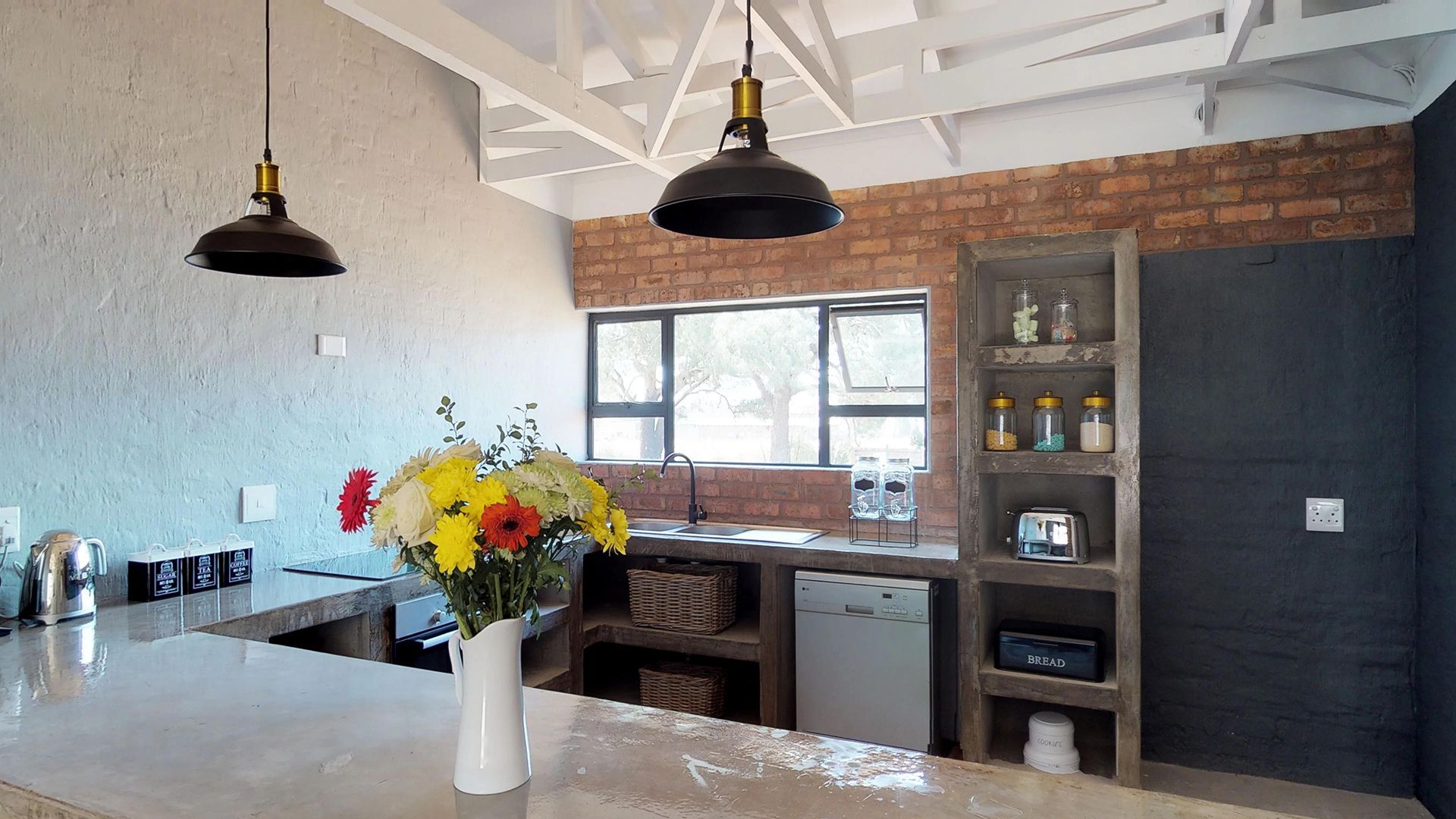
Traditional real estate photography plays a pivotal role in the property market. It serves as the first impression potential buyers or renters have of a property, often making or breaking their interest. This art form, while seeming straightforward, requires a blend of technical skill, an eye for detail, and a deep understanding of the real estate market's demands. In this article, we will explore the various aspects of traditional real estate photography, its importance, techniques, and tips for capturing stunning images that sell properties.
The Importance of Traditional Real Estate Photography
Real estate photography is more than just taking pictures; it's about storytelling. Each photograph should convey the essence of the property, highlighting its best features while providing an honest representation. High-quality images attract more viewers, increase the chances of viewings, and ultimately, facilitate faster sales at higher prices. In today's digital age, where most property searches begin online, striking photos are crucial. They make listings stand out in a crowded market, giving properties the competitive edge needed to grab attention.

Key Techniques in Real Estate Photography
1. Understanding Lighting:
Lighting is paramount in real estate photography. Natural light is often the best option, as it provides a true representation of the space. Photographers should aim to shoot during the golden hours (early morning or late afternoon) when the light is soft and warm. Additionally, using artificial lighting strategically can help illuminate dark areas and balance out shadows, ensuring a well-lit and inviting image.
2. Composition and Framing:
The composition of a photograph determines how the various elements within the frame are arranged. In real estate photography, it’s essential to showcase the space effectively. Wide-angle lenses are commonly used to capture as much of the room as possible, making spaces appear larger and more open. Photographers should also be mindful of the rule of thirds, leading lines, and symmetry to create balanced and visually appealing images.
3. Decluttering and Staging:
A clean and well-staged property photographs better. Before shooting, ensure that the space is tidy, free of personal items, and thoughtfully arranged. Staging involves arranging furniture and decor in a way that highlights the property’s strengths and makes it feel more welcoming. This can include adding fresh flowers, setting the dining table, or arranging throw pillows to add a touch of elegance.
4. Showcasing Key Features:
Each property has unique selling points, whether it’s a stunning view, a modern kitchen, or a luxurious bathroom. Photographers should focus on capturing these key features. Close-up shots of intricate details, like a beautifully tiled backsplash or a custom-built fireplace, can add depth to the listing and attract potential buyers who appreciate quality craftsmanship.
5. Exterior Shots:
The exterior of the property is just as important as the interior. Capturing the property’s facade, garden, and surrounding area provides a complete picture of what potential buyers can expect. These shots should be taken in good weather, with clear skies and well-maintained landscaping, to create an inviting first impression.
Tips for Capturing Stunning Real Estate Images
1. Use a Tripod:
A tripod is an essential tool for real estate photography. It ensures stability, reducing the risk of blurry images, and allows for longer exposure times in low-light conditions. This results in sharper, more professional-looking photos.
2. Bracket Your Shots:
Bracketing involves taking multiple shots of the same scene at different exposures. This technique is particularly useful in real estate photography, where lighting conditions can vary widely within a single room. The different exposures can later be merged in post-processing to create a balanced image that accurately represents both the highlights and shadows.
3. Utilize HDR:
High Dynamic Range (HDR) photography combines several images taken at different exposures into one composite image. This technique enhances the details in both the darkest and brightest areas of the photo, making it ideal for real estate photography where interior lighting and exterior views need to be balanced.
4. Edit Thoughtfully:
Post-processing is a crucial step in real estate photography. Editing software can correct color imbalances, adjust exposure, and enhance details to make the images more appealing. However, it’s important to maintain a realistic look. Over-editing can create misleading representations of the property, leading to disappointment during viewings.
5. Consider Drone Photography:
For larger properties or those with extensive outdoor spaces, drone photography can provide unique perspectives that ground-based shots cannot. Aerial views can showcase the property’s layout, landscaping, and proximity to nearby amenities, adding another layer of appeal to the listing.
The Impact of Professional Photography
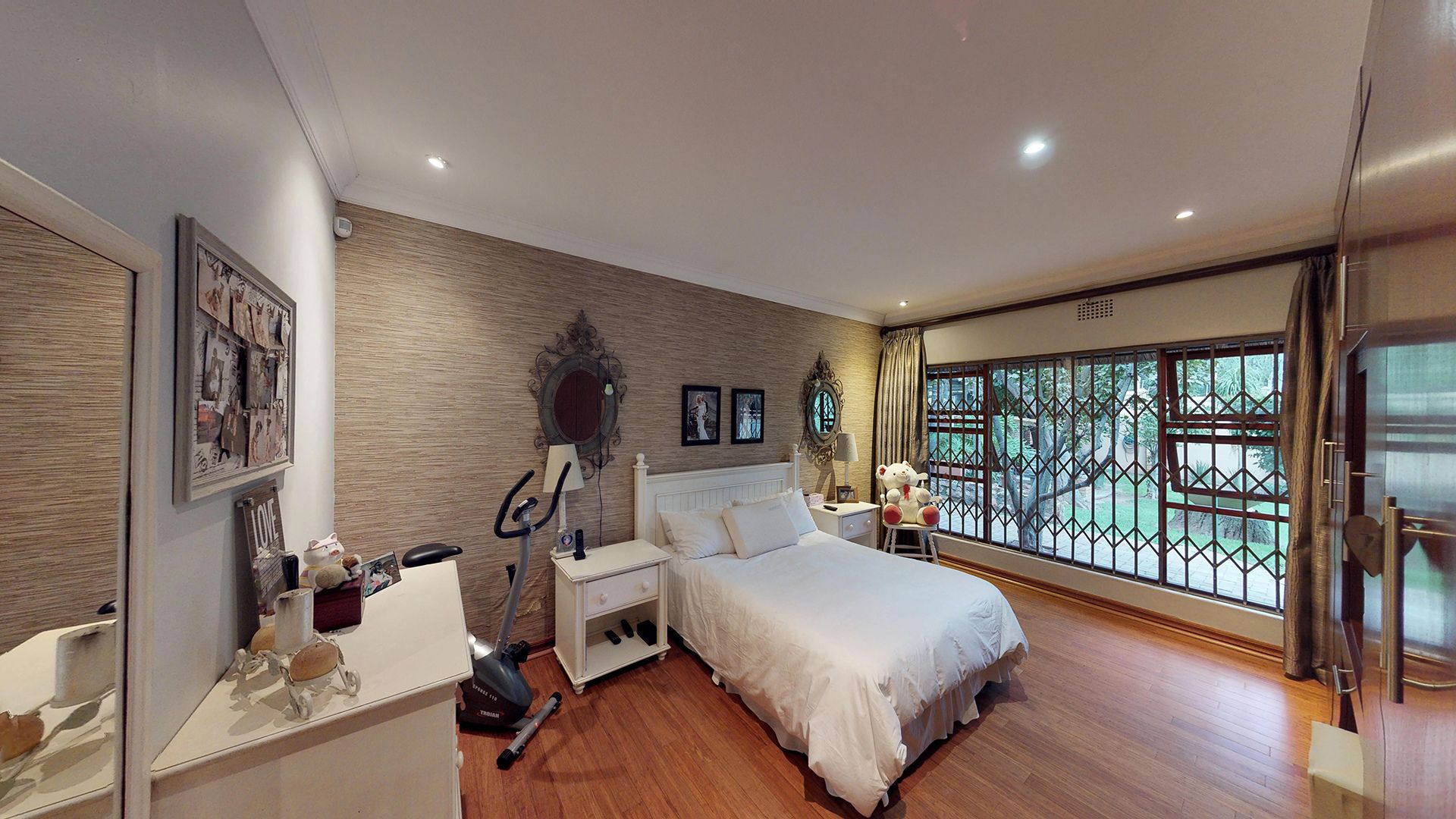
Hiring a professional photographer for real estate listings is an investment that pays off. Professionals bring not only technical expertise but also an artistic eye that can highlight a property's best features. Their experience with lighting, composition, and post-processing ensures that each image is optimized to attract potential buyers. According to various studies, properties with high-quality photos sell faster and at higher prices than those with amateur photos. In a market where first impressions are everything, professional photography can make a significant difference.
Traditional real estate photography remains a cornerstone of the property market, bridging the gap between sellers and potential buyers. By leveraging expert techniques and understanding the nuances of composition and lighting, photographers can create compelling images that tell a story, evoke emotions, and ultimately drive sales. Whether you're a seasoned photographer or a real estate agent looking to enhance your listings, mastering the art of real estate photography is essential. It's not just about capturing spaces; it's about capturing the imagination and interest of prospective buyers, turning listings into homes.