

Samsung Gear VR
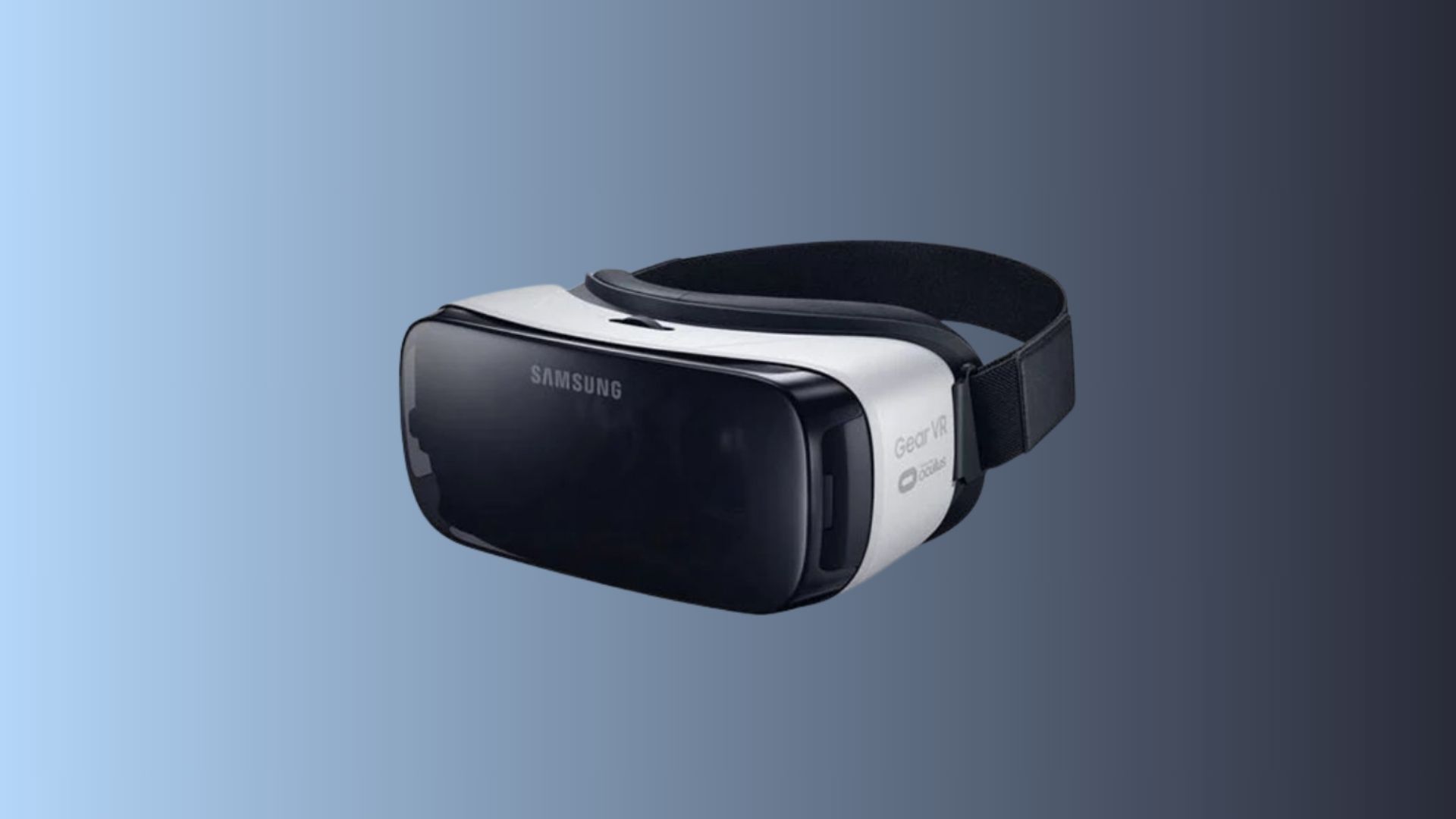
The Samsung Gear VR is a pioneering virtual reality (VR) headset developed by Samsung Electronics in collaboration with Oculus VR. First released in 2015, the Gear VR represents one of the early mainstream attempts to bring immersive VR experiences to a wider audience, leveraging the widespread availability and power of Samsung's flagship smartphones.
Design and Compatibility
The Gear VR headset features a sleek and lightweight design, prioritizing comfort for extended use. Its design incorporates adjustable straps to fit various head sizes and a cushioned facepad to reduce pressure and enhance comfort. One of the notable aspects of the Gear VR is its reliance on Samsung smartphones as the display and processing unit, making it a mobile VR solution rather than a standalone or PC-tethered device.
Compatibility is a key feature of the Gear VR. Initially, it supported the Samsung Galaxy Note 4, but subsequent iterations expanded compatibility to include a range of Samsung Galaxy S and Note series smartphones. Users simply insert their compatible smartphone into the front of the headset, which then acts as the display, providing the visuals for the VR experience. The smartphone's processing power is also used to render VR content, making the Gear VR a cost-effective entry point into virtual reality, as it eliminates the need for a dedicated VR system or high-end PC.
Software and Ecosystem
The Samsung Gear VR operates using software developed in partnership with Oculus VR, giving users access to the Oculus Store, where they can download a variety of VR applications, games, and experiences. The Oculus Store offers a wide range of content, from immersive games and simulations to 360-degree videos and educational experiences. This partnership with Oculus provided Gear VR users with access to high-quality VR content and helped establish a robust ecosystem.
The headset's software is designed to be user-friendly, with a simple interface navigated using the touchpad on the side of the device or, in later versions, with a separate handheld controller. The touchpad allows users to swipe and tap to select items, navigate menus, and interact with VR environments, while the addition of a controller provides more precise and intuitive input, enhancing the overall user experience.

Performance and User Experience
Performance-wise, the Gear VR offers a competent VR experience, especially considering its reliance on smartphone hardware. The display resolution and frame rates are determined by the capabilities of the inserted smartphone, with newer and more powerful models providing better visuals and smoother performance. Despite this dependence on smartphone hardware, the Gear VR manages to deliver a relatively smooth and immersive experience, suitable for casual VR users and those new to virtual reality.
One of the standout features of the Gear VR is its ease of use. Setting up the device is straightforward: users simply insert their smartphone, adjust the fit, and launch the VR application. The user interface is intuitive, and the touchpad controls are easy to master. This simplicity makes the Gear VR accessible to a wide audience, including those who may not be technologically savvy.
Applications and Use Cases
The Samsung Gear VR supports a broad range of applications and use cases, making it a versatile device for various types of VR content. For gamers, the Oculus Store offers numerous VR games, ranging from action-packed adventures and first-person shooters to puzzle games and casual experiences. The immersive nature of VR enhances gameplay, providing a sense of presence and immersion that traditional gaming cannot match.
Beyond gaming, the Gear VR offers educational and training applications. Users can explore virtual museums, travel to distant locations, or experience historical events firsthand. Educational institutions and training programs have used the Gear VR to create interactive learning experiences, enabling students to engage with content in new and innovative ways.
Entertainment is another significant use case for the Gear VR. The device supports 360-degree videos and VR films, allowing users to watch immersive content that places them in the center of the action. Services like Netflix and Hulu have developed VR applications for the Gear VR, enabling users to watch their favorite shows and movies in a virtual theater environment.
Impact and Legacy
The Samsung Gear VR played a crucial role in popularizing virtual reality among mainstream consumers. Its affordability, ease of use, and extensive content library made it an attractive option for those curious about VR. By leveraging the power and ubiquity of smartphones, Samsung and Oculus were able to bring VR to a broader audience than high-end PC-tethered systems could reach.
The success of the Gear VR also demonstrated the viability of mobile VR, influencing the development of other mobile VR solutions and standalone headsets. While the Gear VR itself has been discontinued, its legacy lives on in the continued advancement of VR technology and the growing interest in virtual and augmented reality experiences.
The Samsung Gear VR stands as a significant milestone in the evolution of virtual reality. By combining Samsung's hardware expertise with Oculus's software prowess, the Gear VR provided an accessible and immersive VR experience to a wide audience. Its design, compatibility with smartphones, and extensive content library made it a popular choice for VR enthusiasts and newcomers alike. Though it has been succeeded by more advanced VR systems, the Gear VR's impact on the VR landscape is undeniable, paving the way for future innovations in the field of virtual reality.

Samsung Gear VR