Samsung's AR Smart Glasses: A Game Changer in Wearable Tech
Author
Elisha Roodt
Date Published

A Glimpse into the Next Wearable Revolution
Samsung's announcement that it will debut standalone AR smart glasses by 2026 has sent ripples across the wearable tech landscape. With Meta already positioning itself as a dominant player in extended reality, Samsung's entry signals not just competition but a potential paradigm shift. Imagine slipping on a pair of sleek glasses that replace your smartphone, overlaying digital information seamlessly into the real world. The story of AR has long been filled with promises and prototypes, yet Samsung's pedigree in displays, processors, and consumer electronics could finally deliver a device that bridges science fiction and everyday utility. The stakes are immense, and the trajectory of wearable technology may never look the same again.
Samsung's Strategy: Playing the Long Game
Leveraging Hardware Mastery
Samsung has always been a titan when it comes to hardware. From its world-class OLED panels to its Exynos processors, the company possesses nearly every ingredient needed to assemble a market-ready AR device. Unlike startups that must source or license technology, Samsung owns the kitchen where the recipe for immersive eyewear is cooked. Picture a chef who not only selects the finest ingredients but also manufactures the knives and the stove'this is Samsung's advantage. Its ecosystem is vertically integrated, ensuring the AR smart glasses won't be a fragile experiment but a polished product that integrates display brilliance with computational power.
That level of control allows Samsung to optimize in ways competitors cannot. Consider display latency, one of AR's Achilles' heels. If even a fraction of a second lags between head movement and digital overlay, the illusion shatters. Samsung, by designing both the display and processor, can synchronize these components like a conductor uniting strings and percussion. The result? An AR performance symphony where every movement feels natural, believable, and enchanting. This orchestration could become the decisive factor that elevates Samsung above its rivals.
A Software Horizon Yet to be Defined
While hardware may be Samsung's stronghold, software remains its crucible. Meta has invested years into building Horizon Worlds and Reality Labs' platforms. Apple has VisionOS. Samsung? Its strength lies in Android partnerships, particularly with Google. This opens a fascinating path: Samsung might not need to build a full walled garden but instead leverage Android's open ecosystem. Think of it as constructing a city on fertile land rather than clearing a jungle'Samsung benefits from existing Android frameworks, app libraries, and developer familiarity.
Yet there are risks. Without a compelling native AR operating system, Samsung's glasses could risk becoming a commodity platform rather than a transformative one. A hypothetical scenario illustrates this: imagine a user toggling between a Samsung AR app for maps and a third-party app for messaging, only to find inconsistencies in gesture recognition. Fragmentation could breed frustration. Thus, Samsung's challenge is to blend Android familiarity with AR specificity, creating a seamless experience where apps feel spatially aware rather than simply ported from flat screens.
Timing the Market Correctly
In technology, timing is everything. Google Glass faltered because the world wasn't ready; the societal and technical infrastructure simply lagged behind the vision. Samsung's choice to target 2026 suggests careful calibration. By then, 5G and early 6G networks will enable faster cloud streaming, GPUs will grow ever more efficient, and consumer attitudes toward wearable tech will be normalized by smartwatches and earbuds. It's akin to planting seeds in spring rather than winter'conditions finally favor growth. Samsung seems intent on waiting for the soil of society and technology to be fertile.
This timing also allows Samsung to watch Meta's trajectory closely. Meta's heavy investments may either blaze the trail or reveal potholes. Samsung, by entering slightly later, sidesteps early missteps while reaping the rewards of market education. Think of it as joining a marathon not at the chaotic start but after the route is cleared and the crowd thinned. The finish line remains the same, but the path there becomes more navigable.

The Consumer Experience Reimagined
Replacing the Smartphone Paradigm
Imagine waking up, slipping on your glasses, and seeing your schedule, messages, and even the weather forecast hovering elegantly in your room. No fumbling for a phone'just context-aware overlays that follow your gaze. This is the potential consumer experience Samsung envisions. It's a paradigm shift as profound as the transition from landlines to smartphones. The glasses won't simply replicate screens in miniature; they'll weave digital elements into the fabric of daily life, from cooking with recipe holograms to navigating city streets with arrows embedded in sidewalks.
The metaphors of old technology suddenly feel quaint. Where once we scrolled and tapped, tomorrow we might glance and gesture. Replacing smartphones means designing a human-centric interface that feels invisible, natural, and almost magical. Samsung must craft a choreography of inputs'eye tracking, gesture recognition, voice control'that dissolves the barriers between intent and action. The goal isn't another gadget but a genuine extension of human perception.
Social Acceptance and Style
One of Google Glass's fatal flaws was its aesthetic'bulky, awkward, and conspicuous. Wearable tech must merge seamlessly with fashion. Samsung, already a brand synonymous with sleek smartphones and smartwatches, understands this nuance. Its AR glasses must resemble eyewear one might wear proudly to a dinner or business meeting. Imagine them not as tech artifacts but as designer accessories, indistinguishable from prescription glasses until activated. Social acceptability hinges not only on function but also on form.
Think of eyewear as a passport to social spaces. The wrong design becomes a barrier; the right one opens doors. Samsung's challenge is not merely engineering but cultural assimilation. If the glasses scream 'gadget,' adoption falters. If they whisper 'style,' they become aspirational. Just as Apple turned white earbuds into a status symbol, Samsung must imbue its glasses with cultural cachet that signals modernity rather than eccentricity.
Health and Comfort Considerations
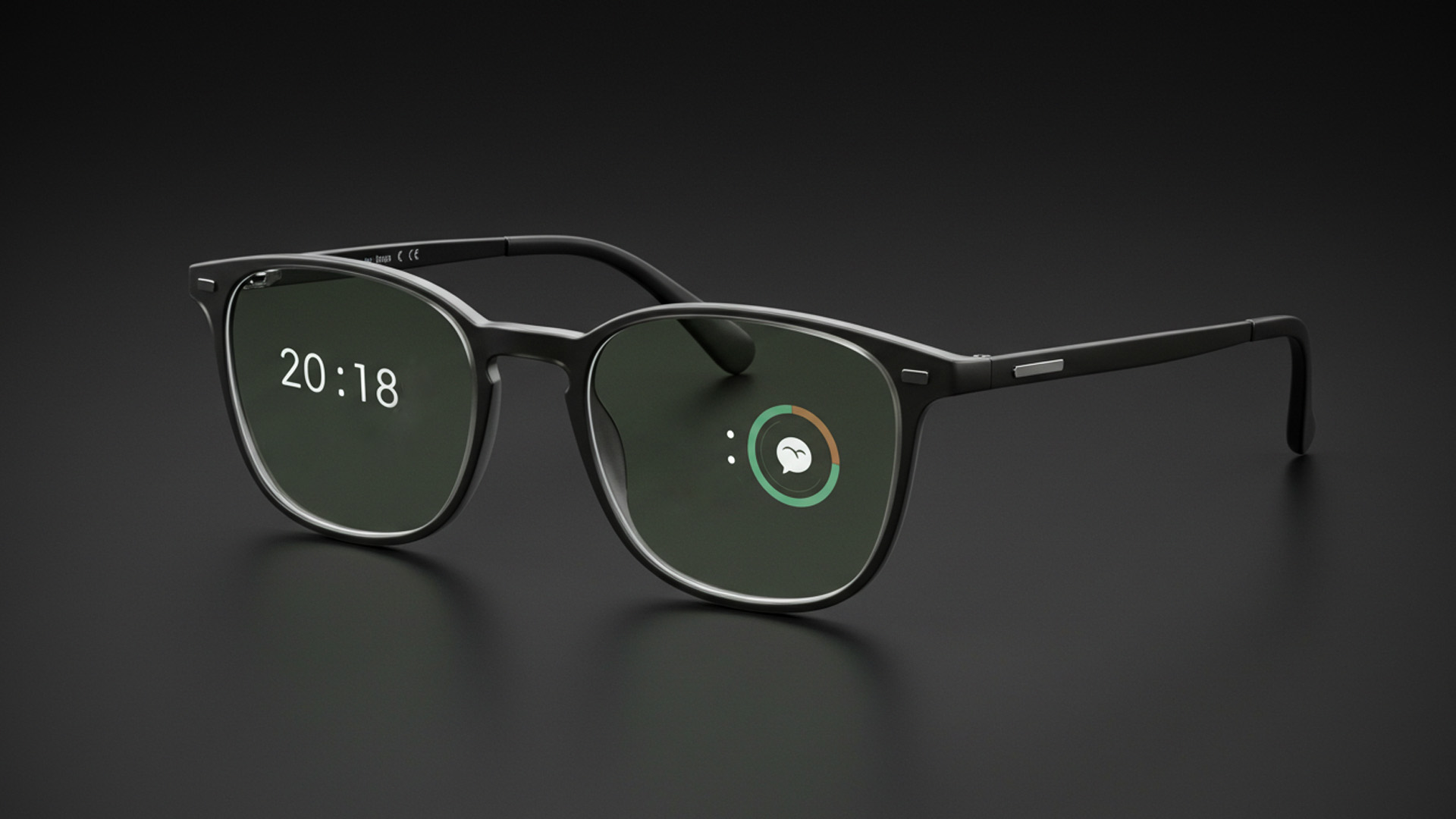
Comfort will dictate whether AR glasses remain a novelty or ascend to necessity. A heavy frame or awkward balance can transform a futuristic device into an ergonomic nightmare. Samsung's decades of experience in lightweight displays and materials science become crucial here. Imagine wearing glasses that feel no heavier than a pair of aviators yet contain micro projectors, batteries, and sensors. Achieving that equilibrium is the engineering equivalent of balancing a tightrope while juggling.
Equally important is health. Prolonged AR use could strain eyes, distort focus, or induce motion sickness if improperly calibrated. Samsung must mitigate these risks through adaptive optics and personalized calibration. Picture lenses that adjust subtly to your eye's physiology, like a tailor adjusting a suit. This personalized comfort ensures longevity of use, transforming AR glasses from novelty to indispensable daily companion.
Implications for the AR Market
Catalyst for Competitive Acceleration
Samsung's entry into AR will undoubtedly intensify competition. Currently, Meta and Apple hold much of the mindshare, but Samsung brings consumer trust, global reach, and manufacturing prowess. This could catalyze a market acceleration, forcing competitors to refine offerings more quickly. It's reminiscent of when Android emerged against the iPhone'competition birthed rapid innovation, better features, and more affordable devices. History suggests that Samsung's presence will pressure the entire ecosystem to evolve faster than previously anticipated.
Consider the metaphor of a chessboard: Apple and Meta are the early players, but Samsung now enters with powerful pieces'rooks and bishops already positioned strategically thanks to its supply chain. The dynamics of the match shift. Each move by Samsung could provoke counter-moves, accelerating not only technological progress but also shaping consumer expectations. The result is a more vibrant, contested, and ultimately fruitful market for end-users.
The Ecosystem Conundrum
AR glasses are not just hardware; they are portals to ecosystems. Meta pushes its social metaverse, Apple emphasizes productivity and media, while Samsung must decide where to plant its flag. Will it align with Google's vision of ambient computing? Or chart a hybrid course combining entertainment, productivity, and health? This decision will shape not only user experience but also developer incentives. Ecosystems are like gravity wells'once you enter, it's difficult to escape. Samsung's task is to create a gravity strong enough to pull developers and users alike.
If executed well, Samsung could become the Android of AR, offering a flexible, expansive platform compared to Apple's walled garden. Conversely, lack of clarity could relegate its glasses to niche use. The stakes are monumental, as ecosystems often determine winners more than hardware prowess. The platform that convinces developers to build rich, spatially aware apps will dominate, and Samsung must articulate that vision convincingly to succeed.
Enterprise and Industrial Use Cases
Beyond consumer adoption lies the vast frontier of enterprise and industrial applications. Imagine technicians wearing Samsung AR glasses that overlay wiring diagrams onto machinery, or surgeons visualizing patient vitals mid-operation. These scenarios transform glasses from consumer luxuries into professional necessities. Samsung's history of B2B partnerships, particularly in displays and mobile, provides a fertile launching pad for such endeavors. The professional market may even become the bridge that sustains AR glasses until mass consumer adoption matures.
Industrial adoption also creates feedback loops that improve consumer products. Features like ruggedized builds, extended battery life, and real-time collaboration'developed first for professional contexts'can later cascade to everyday users. It mirrors how GPS, once reserved for the military, became standard in every smartphone. Samsung's ability to straddle both consumer and enterprise markets could prove to be the catalyst that propels AR glasses into mainstream ubiquity.

The Future of Wearable Technology
From Accessories to Extensions of Self
Wearable technology is on the cusp of transcending accessories to become extensions of human capability. Smartwatches already monitor heartbeats, earbuds translate languages in real time, and AR glasses will soon expand cognition itself. Samsung's glasses may act like cognitive prosthetics, augmenting memory, navigation, and situational awareness. Consider them less as devices and more as companions that whisper insights, reminders, and directions directly into your visual field. The human-machine boundary begins to blur in profound, almost poetic ways.
In a hypothetical scenario, imagine walking into a conference where everyone wears AR glasses. No need for name tags'your glasses subtly display names and LinkedIn profiles. A whisper of digital assistance hovers in every interaction, making memory lapses obsolete. This blending of human interaction and machine augmentation redefines not just convenience but what it means to be socially and professionally capable. The glasses become not gadgets, but symbiotic partners.
Shaping the Ethics of Augmentation
As AR glasses infiltrate daily life, questions of ethics become paramount. Should you be able to record every interaction silently? Will advertisements follow you in physical space like digital phantoms? Samsung, like others, must grapple with these dilemmas. The company has an opportunity to set standards that prioritize privacy, transparency, and digital well-being. Without guardrails, AR could easily devolve into surveillance spectacles or cognitive clutter that overwhelms rather than enlightens.
Ethics in wearable technology are like invisible threads'ignored, they entangle; respected, they weave a fabric of trust. Samsung must establish not only technical benchmarks but also ethical compasses. Imagine glasses that proactively limit intrusive notifications or warn users when data collection occurs. Building ethical scaffolding could become Samsung's differentiator, ensuring that its AR vision enhances humanity rather than exploits it.
A Trajectory Toward Ubiquity
If smartphones defined the last two decades, AR glasses may define the next. Samsung's forthcoming device could represent the inflection point, a bridge between novelty and necessity. As costs decline and form factors improve, wearable technology will seep into every crevice of daily life'from classrooms where lessons hover above desks to factories where safety alerts materialize in workers' vision. This ubiquity transforms not just how we consume technology but how we inhabit reality itself.
The metaphor often used is that of electricity: once considered a marvel, now taken for granted. AR glasses could follow the same trajectory. What begins as spectacle becomes invisible utility. Samsung, standing at this threshold, has the chance to ignite a transformation whose reverberations will be felt for generations. The company's bet on AR is not merely about gadgets'it is about shaping the contours of how humans will see, interact, and understand the world.