

Transforming Reality with the Integration of VR and AI
Author
Elisha Roodt
Date Published
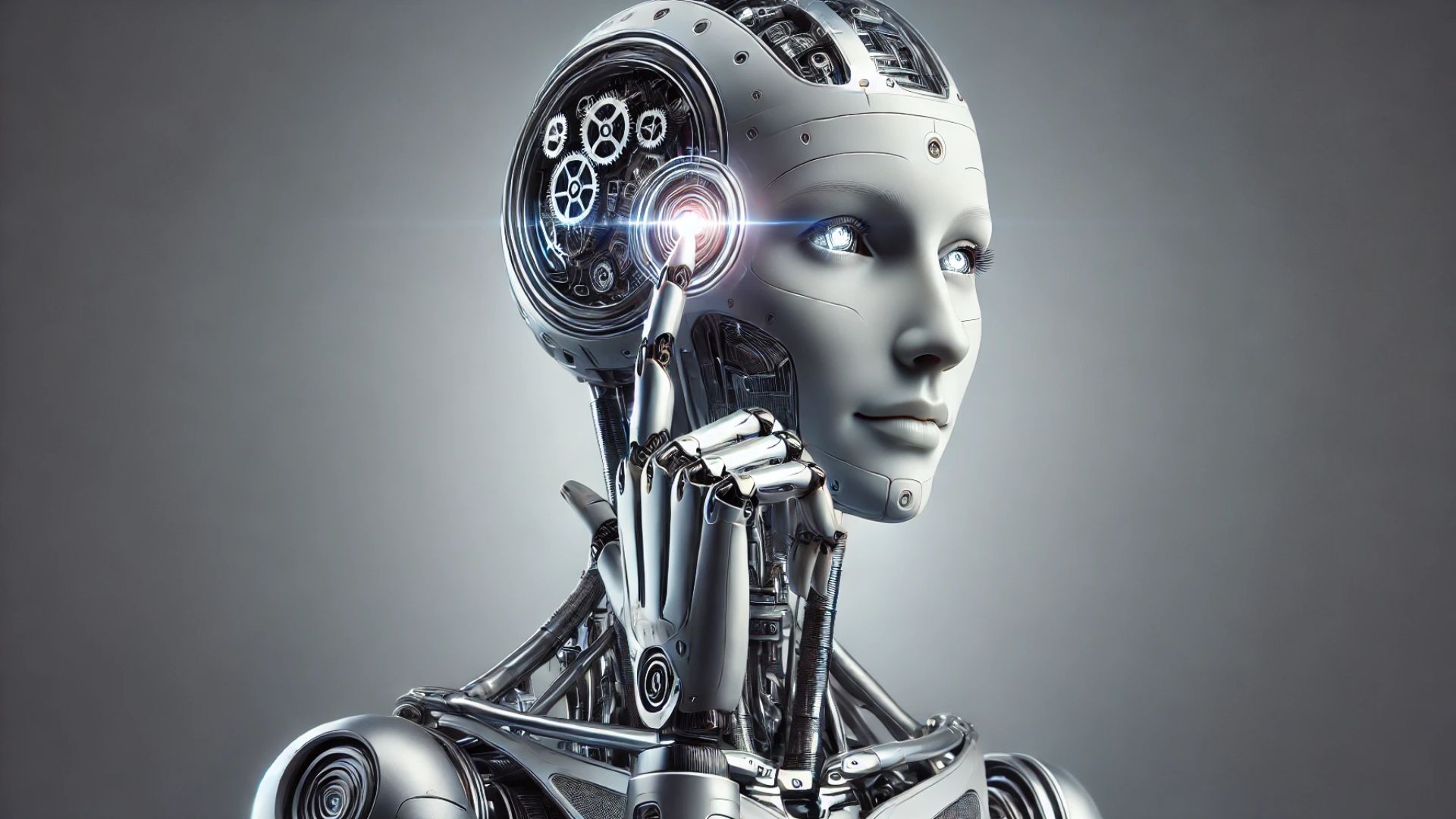
Virtual Reality (VR) and Artificial Intelligence (AI) are two of the most transformative technologies of our time. Individually, they offer remarkable advancements: VR creates immersive digital experiences, while AI brings intelligence and adaptability to machines. When combined, these technologies have the potential to revolutionize reality in profound ways, creating new possibilities and transforming various industries. This blog explores how the integration of VR and AI is reshaping our world, its current applications, and the future it promises.
The Synergy of VR and AI
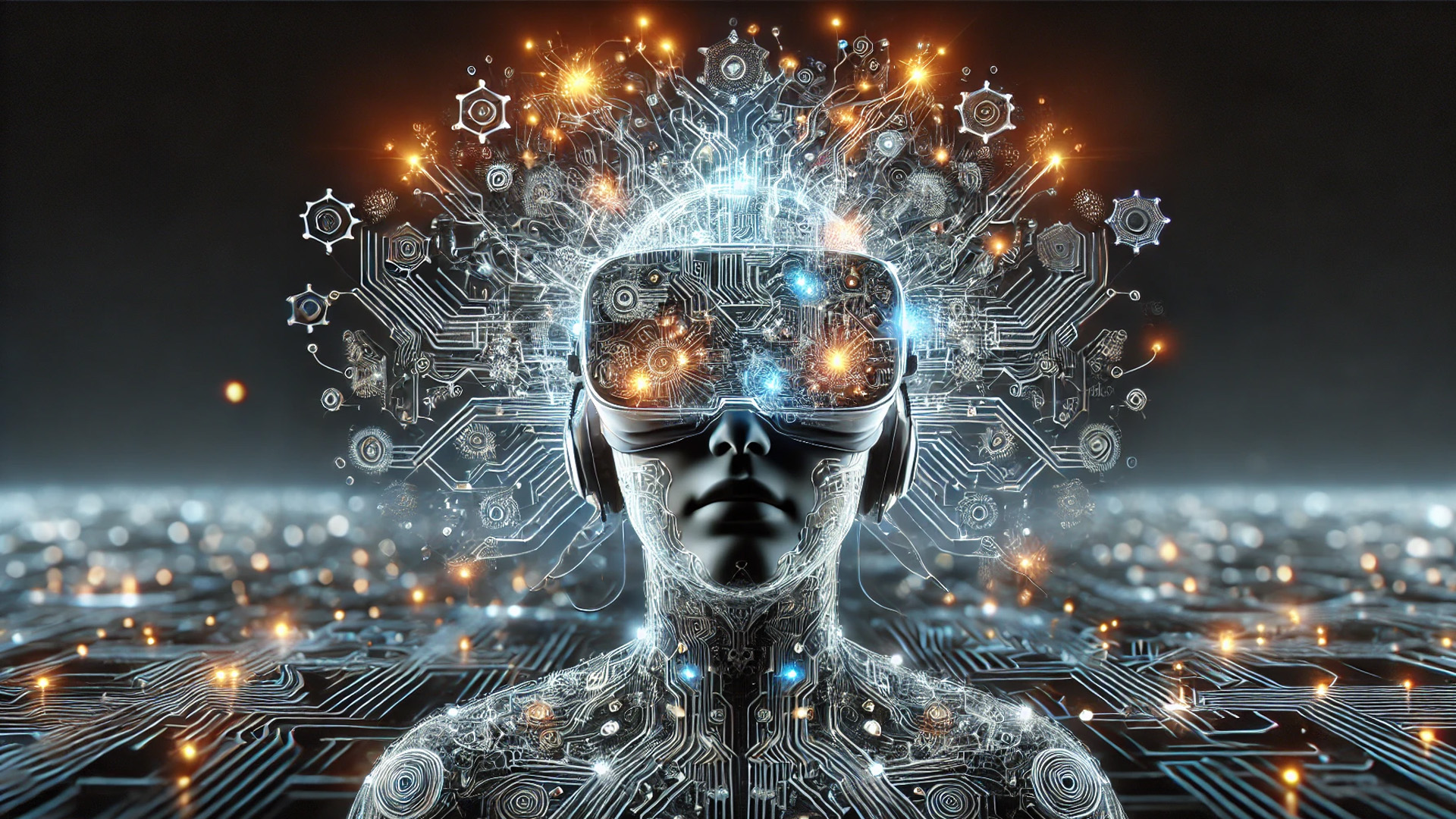
The integration of Virtual Reality (VR) and Artificial Intelligence (AI) harnesses the unique strengths of both domains, cultivating a powerful synergy that augments their respective capabilities. VR plunges users into meticulously crafted, immersive environments, where every interaction feels tangible and engaging. In contrast, AI injects these virtual worlds with sophisticated intelligence, enabling them to evolve according to user behaviors, preferences, and actions. This dynamic interplay fosters experiences that are not only highly personalized but also capable of adapting in real-time. As users navigate these enriched environments, the system continuously learns and refines its responses, ensuring that each encounter is uniquely tailored. The result is an extraordinary convergence of interactive realism and intelligent adaptability, creating experiences that are both profoundly immersive and endlessly engaging. This integration promises to redefine the boundaries of user interaction, paving the way for future advancements that blend the physical and digital realms in unprecedented ways.
Personalized Virtual Environments
One of the most compelling facets of merging AI with Virtual Reality (VR) lies in the creation of bespoke virtual environments. AI algorithms possess the capability to scrutinize user data'encompassing behavior, preferences, and interactions'to tailor virtual experiences to individual needs with precision. In the realm of VR training simulations, for instance, AI can dynamically adjust the complexity of tasks according to the user's performance metrics. This adaptive approach fosters a customized learning environment that accelerates skill acquisition and goal attainment.
In the entertainment and gaming sectors, AI introduces a level of dynamism previously unattainable. By continuously analyzing player interactions, AI can craft fluid storylines and responsive challenges that evolve in real-time. Scenarios, dialogues, and obstacles are modified based on the players' actions and decisions, engendering an experience that is both more engaging and immersive. This profound degree of personalization not only amplifies user satisfaction but also strengthens their emotional investment in the virtual realm, creating a richer, more captivating interaction with the digital world.
Transforming Education and Training
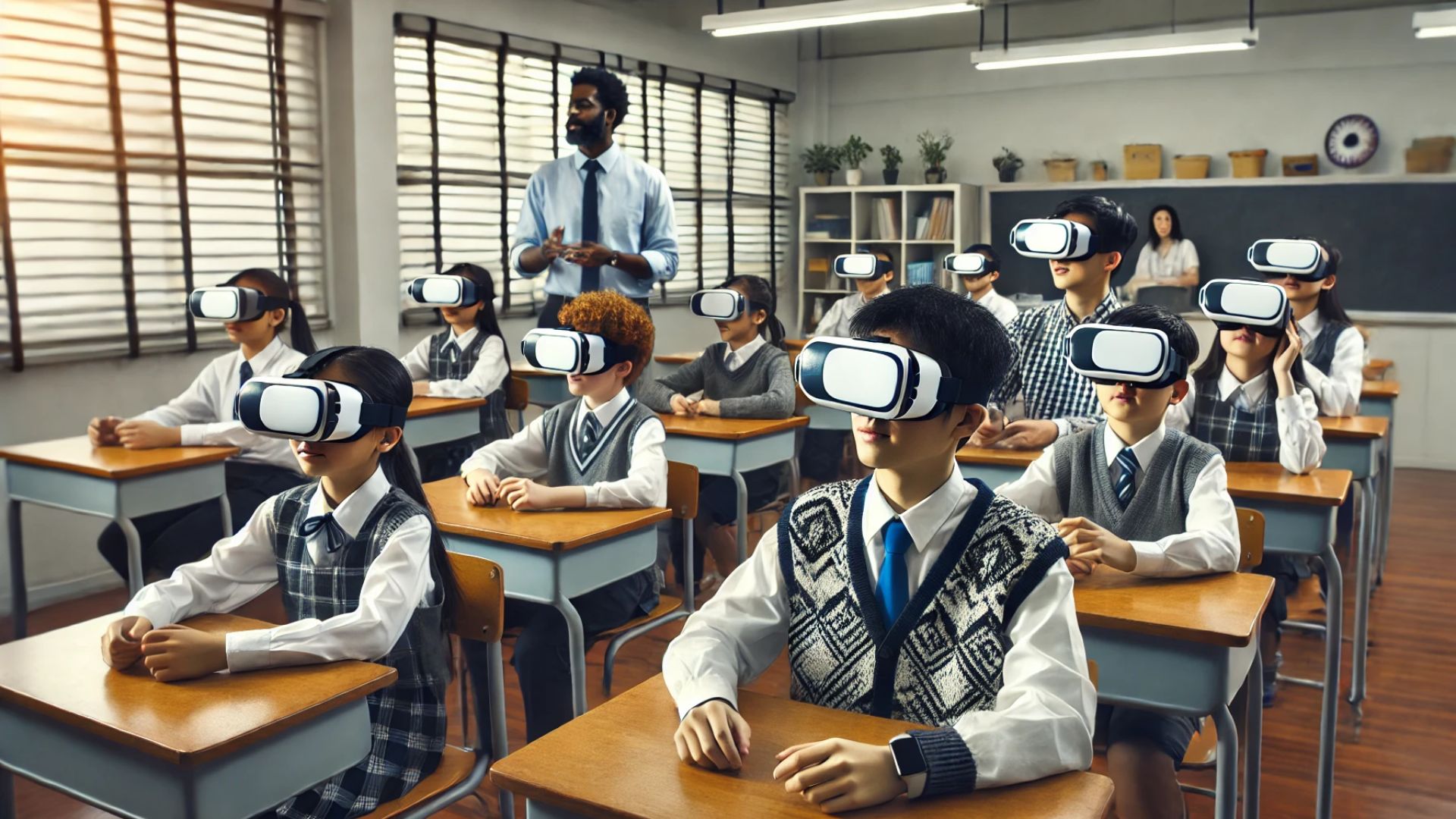
The confluence of Virtual Reality (VR) and Artificial Intelligence (AI) holds transformative potential for the realms of education and training. By merging these technologies, educational experiences can be profoundly revolutionized through immersive, interactive, and adaptive learning environments. VR transports learners into vivid, simulated worlds, enabling them to engage with complex concepts in a tangible, experiential manner. Concurrently, AI injects a layer of intelligent adaptability, personalizing the learning journey by adjusting content and difficulty levels based on individual progress and needs. This dynamic synergy fosters an environment where learners can explore, experiment, and master skills with unprecedented depth and flexibility. As a result, educational and training programs become not only more engaging but also more effective, offering tailored experiences that respond in real-time to each learner's unique trajectory. The integration of VR and AI thus promises to redefine traditional paradigms, ushering in a new era of educational excellence and professional development.
Immersive Learning Environments
Virtual Reality (VR) has the capacity to craft intricate, interactive simulations across a broad spectrum of subjects, ranging from history and science to the arts and humanities. Through VR, students can immerse themselves in ancient civilizations, undertake virtual scientific experiments, or refine language skills within a simulated context. The integration of Artificial Intelligence (AI) further amplifies these experiences by delivering real-time feedback, tailoring content according to the learner's progress, and offering individualized guidance.
In vocational training, the synergy of VR and AI offers the ability to replicate real-world scenarios, facilitating skill acquisition within a risk-free setting. Medical students, for example, can perform virtual surgeries while AI algorithms provide detailed feedback on their techniques, enhancing their learning process. Similarly, pilots can rehearse flight maneuvers within a VR simulator, with AI-driven performance analysis ensuring that their skills are honed effectively. This combination of immersive simulation and intelligent adaptation creates an unparalleled training environment, preparing individuals for practical challenges with increased proficiency and confidence.
Adaptive Learning Systems
AI-driven adaptive learning systems are revolutionizing education by scrutinizing student performance and dynamically modifying the curriculum to better suit individual needs. Within a VR-based classroom, AI technologies meticulously monitor student interactions with the virtual content, discerning patterns and pinpointing areas of difficulty. By analyzing these interactions, AI can adjust the complexity of the material in real-time, offering tailored challenges or supplementary resources as required. This nuanced approach fosters a more effective learning experience, providing each student with the specific support necessary to overcome obstacles and achieve success. The result is a highly personalized educational environment that enhances engagement and optimizes learning outcomes, ensuring that each student receives the precise guidance needed to excel.
Enhancing Healthcare and Therapy
The integration of Virtual Reality (VR) and Artificial Intelligence (AI) is profoundly advancing healthcare and therapy, presenting groundbreaking solutions for treatment, rehabilitation, and mental health. In medical treatment, VR provides immersive environments for patients to engage in therapeutic exercises, while AI analyzes their progress and tailors interventions to enhance efficacy. For rehabilitation, VR simulations allow patients to practice physical activities in a controlled, virtual setting, with AI algorithms monitoring their performance and adjusting exercises to optimize recovery.
In the realm of mental health, VR offers virtual environments where individuals can confront and manage anxiety, phobias, or stress under guided conditions. AI enhances these experiences by personalizing therapy sessions based on real-time emotional and behavioral data, offering targeted strategies and support. Together, VR and AI create a synergistic approach that not only enriches the therapeutic experience but also accelerates recovery and improves overall well-being. This fusion of technology is setting new standards in healthcare, providing innovative pathways for effective treatment and comprehensive support.
Virtual Therapy and Rehabilitation
Virtual Reality (VR) is gaining traction in both physical rehabilitation and mental health therapy, offering innovative approaches to treatment. In physical therapy, VR enables the simulation of diverse exercises and environments designed to facilitate recovery. AI further enhances this by meticulously monitoring patient performance and dynamically adjusting the exercises to align with their progress. This tailored approach ensures that the rehabilitation process is both effective and responsive to individual needs.
In the realm of mental health, VR provides controlled environments ideal for exposure therapy, allowing patients to confront and manage their fears within a secure and supportive setting. AI plays a crucial role by analyzing patient responses in real-time, adapting the therapy based on their emotional and psychological states. This personalized adjustment fosters a more effective therapeutic experience, ensuring that the treatment is finely attuned to each patient's unique requirements. Together, VR and AI are revolutionizing therapeutic practices, offering more targeted and impactful solutions for recovery and mental well-being.
Diagnostic and Predictive Analytics
AI algorithms excel in analyzing medical data, including imaging and genetic information, to aid in diagnostics and forecast potential health issues. When these AI-driven insights are integrated with Virtual Reality (VR), they are rendered into immersive 3D environments. This fusion allows healthcare professionals to interact with and examine complex data in a more intuitive and comprehensive manner. By visualizing intricate details in a three-dimensional space, practitioners can achieve enhanced diagnostic accuracy and make more informed decisions. This advanced integration not only clarifies complex medical information but also facilitates a deeper understanding, ultimately contributing to more precise and effective healthcare outcomes.
Revolutionizing Retail and E-Commerce
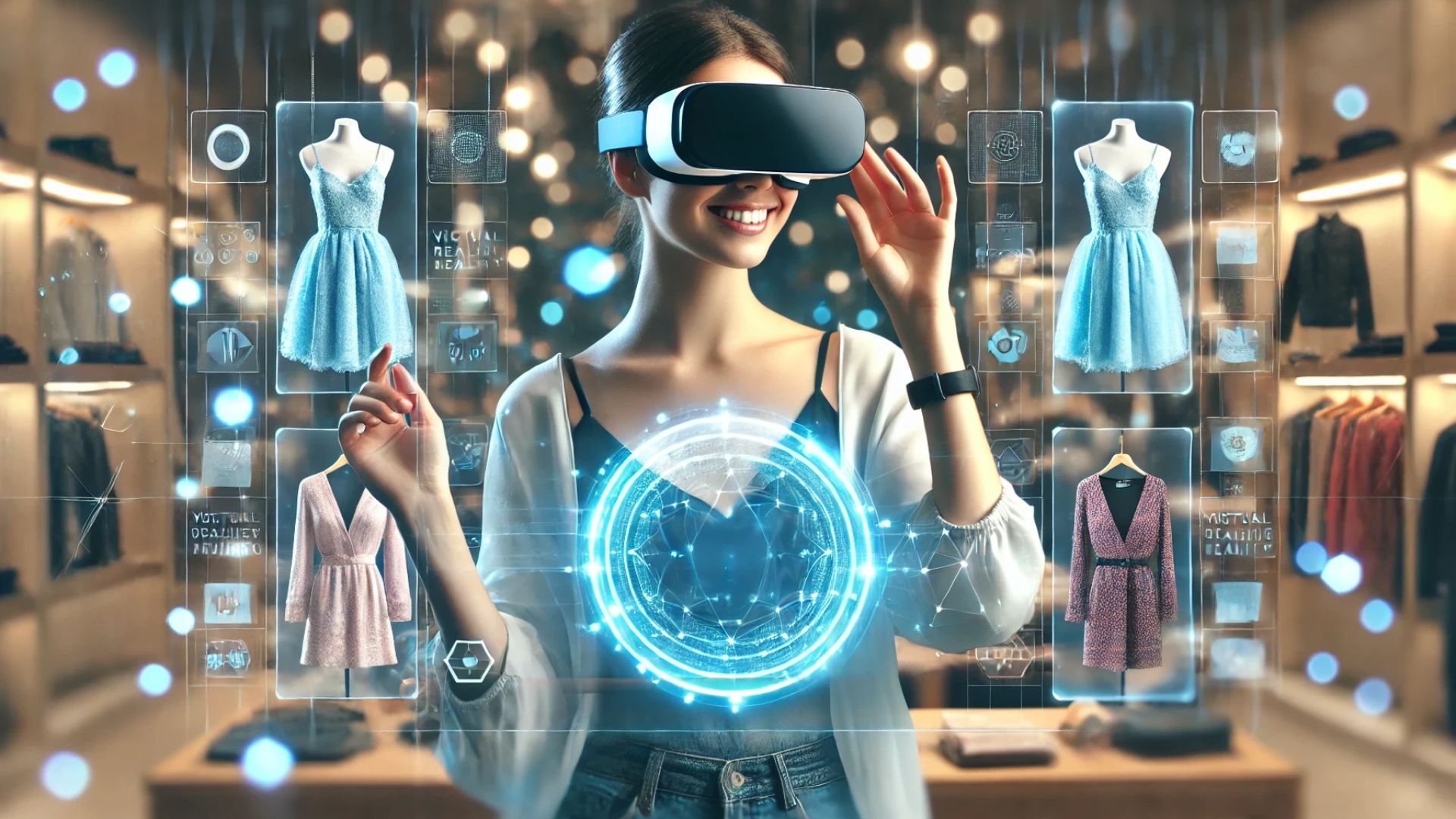
The retail and e-commerce industries are undergoing significant transformations driven by the integration of Virtual Reality (VR) and Artificial Intelligence (AI). VR offers immersive shopping experiences, allowing customers to virtually browse stores, view products in 3D, and even try on items in a simulated environment. This virtual shopping experience bridges the gap between online convenience and in-store engagement, enhancing customer satisfaction and driving sales.
Simultaneously, AI enhances these experiences by analyzing consumer behavior, preferences, and purchasing patterns. It enables personalized recommendations and dynamic pricing strategies tailored to individual needs. AI algorithms also optimize inventory management and streamline customer service through chatbots and automated assistance.
Together, VR and AI create a more engaging and efficient shopping environment, revolutionizing how consumers interact with brands and make purchasing decisions. This integration not only enriches the shopping experience but also provides retailers with valuable insights to refine their strategies and improve operational efficiency.
Virtual Shopping Experiences
Virtual Reality (VR) enables the creation of virtual shopping environments that mimic the experience of browsing and interacting with products in a physical store. This immersive approach allows customers to explore products in a 3D space, providing a more engaging and realistic shopping experience.
Artificial Intelligence (AI) amplifies these virtual environments by offering personalized recommendations tailored to the user's preferences, past purchases, and browsing behavior. For instance, AI can suggest complementary products based on previous transactions or deliver customized promotions aligned with individual shopping patterns. This level of personalization enhances the shopping experience, making it more relevant and convenient for each user. By combining VR's immersive capabilities with AI's intelligent recommendations, retailers can create a compelling and individualized shopping journey that bridges the gap between digital and physical retail.
Enhanced Customer Support
AI-powered chatbots and virtual assistants are revolutionizing customer support in virtual stores by offering real-time assistance. These AI systems are designed to answer queries, help with product selection, and guide users seamlessly through the purchasing process. When integrated with Virtual Reality (VR), these virtual assistants become more interactive and engaging, enhancing the overall shopping experience. Customers can interact with these digital helpers in a lifelike 3D environment, making the support process feel more personal and immersive. This combination of AI and VR not only streamlines the shopping journey but also enriches customer engagement, ensuring a more satisfying and efficient retail experience.
Innovating Entertainment and Media
The convergence of Virtual Reality (VR) and Artificial Intelligence (AI) is fundamentally reshaping the entertainment and media industries, opening up novel avenues for content interaction and experience. VR immerses audiences in rich, interactive environments, allowing them to engage with media in a fully immersive manner. Meanwhile, AI enhances these experiences by personalizing content delivery and creating adaptive narratives based on user preferences and behaviors.
In entertainment, VR enables users to step into the worlds of their favorite films, games, and shows, offering unprecedented levels of engagement. AI algorithms analyze user interactions to tailor experiences, recommend personalized content, and even generate dynamic storylines that evolve according to individual choices.
In the media sector, this integration facilitates interactive storytelling and virtual event experiences. AI-powered systems can curate and deliver content tailored to viewers' tastes, while VR creates immersive media environments that redefine traditional viewing experiences. Together, VR and AI are setting new standards for entertainment and media, providing more engaging, personalized, and interactive experiences.
Interactive Storytelling and Gaming
In gaming and interactive storytelling, the fusion of Virtual Reality (VR) and Artificial Intelligence (AI) leads to the creation of highly dynamic and immersive experiences. VR transports players into vivid, interactive worlds, while AI algorithms infuse these environments with adaptive and responsive elements. Characters and scenarios within the game evolve in real-time according to player actions and decisions, ensuring that the narrative and gameplay remain engaging and personalized.
This integration allows players to significantly influence the direction and outcomes of the story, making each gaming session uniquely tailored to their choices. As players interact with the virtual world, AI-driven systems continuously adjust the environment and plot, enhancing the depth and replayability of the experience. The result is a more immersive and captivating form of entertainment, where every action has the potential to shape the game's unfolding narrative.
AI-Generated Content
AI significantly enhances media content creation by generating realistic 3D models, animations, and special effects for Virtual Reality (VR) experiences. AI algorithms streamline the production process, enabling the efficient creation of high-quality content with greater precision and cost-effectiveness. This technological advancement facilitates the development of intricate and visually stunning virtual environments, expanding the scope of creative expression in the digital realm.
AI-driven tools can automate complex tasks such as texture mapping, motion capture, and scene rendering, reducing the time and resources needed for content development. This not only accelerates the production cycle but also allows creators to explore more ambitious and imaginative concepts. By leveraging AI, the possibilities for crafting immersive and innovative media experiences are greatly expanded, enabling artists and developers to push the boundaries of digital creativity.

Exploring Future Possibilities
As VR and AI technology continues to advance, the potential applications and benefits are vast. Future developments may include:
The integration of Virtual Reality and Artificial Intelligence is revolutionizing reality in remarkable ways. By combining the immersive capabilities of VR with the adaptive and intelligent features of AI, we are creating new possibilities for education, healthcare, retail, entertainment, and beyond. As these technologies continue to evolve, the potential for innovation and transformation is limitless, offering exciting opportunities to enhance our experiences and reshape the world around us. The future of VR and AI integration promises a new era of immersive, interactive, and intelligent experiences that will redefine the way we live, work, and play.