

Virtual Reality Boardroom Experience
Author
Elisha Roodt
Date Published

The concept of the boardroom has long been synonymous with corporate decision-making, where the most critical business strategies are discussed and shaped. Traditionally, these spaces have been physical, imposing environments where executives gather to deliberate on the company's future. However, the advent of technology has gradually redefined this setting, and now, Virtual Reality (VR) is at the forefront of this transformation. The VR boardroom is no longer a futuristic idea but a present reality, offering a new dimension to how businesses conduct meetings and collaborate. As companies continue to embrace remote work and global operations, the virtual boardroom emerges as a pivotal tool, blending innovation with practicality to enhance the corporate meeting experience.
Understanding the Virtual Reality Boardroom
Defining the Virtual Boardroom
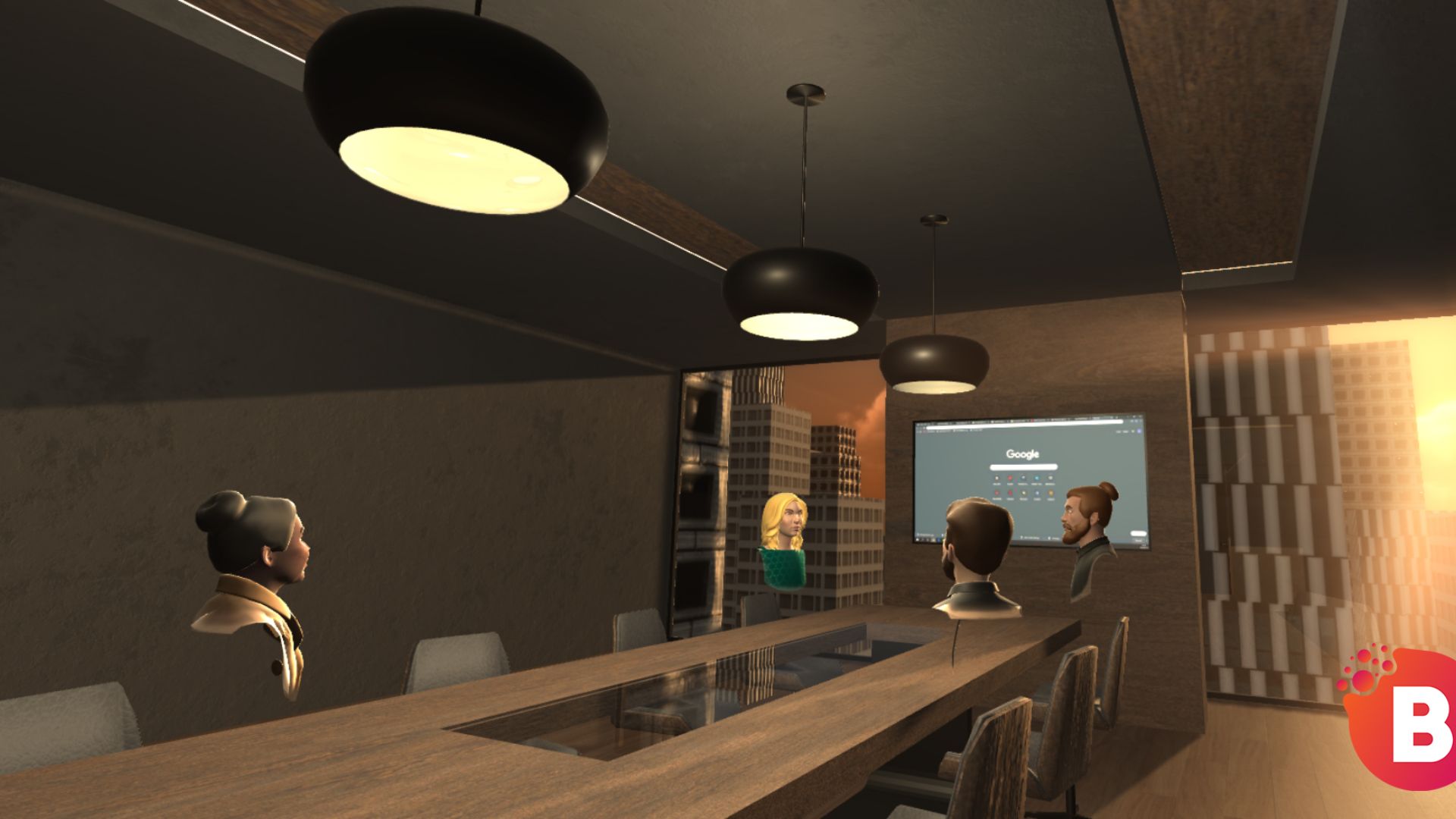
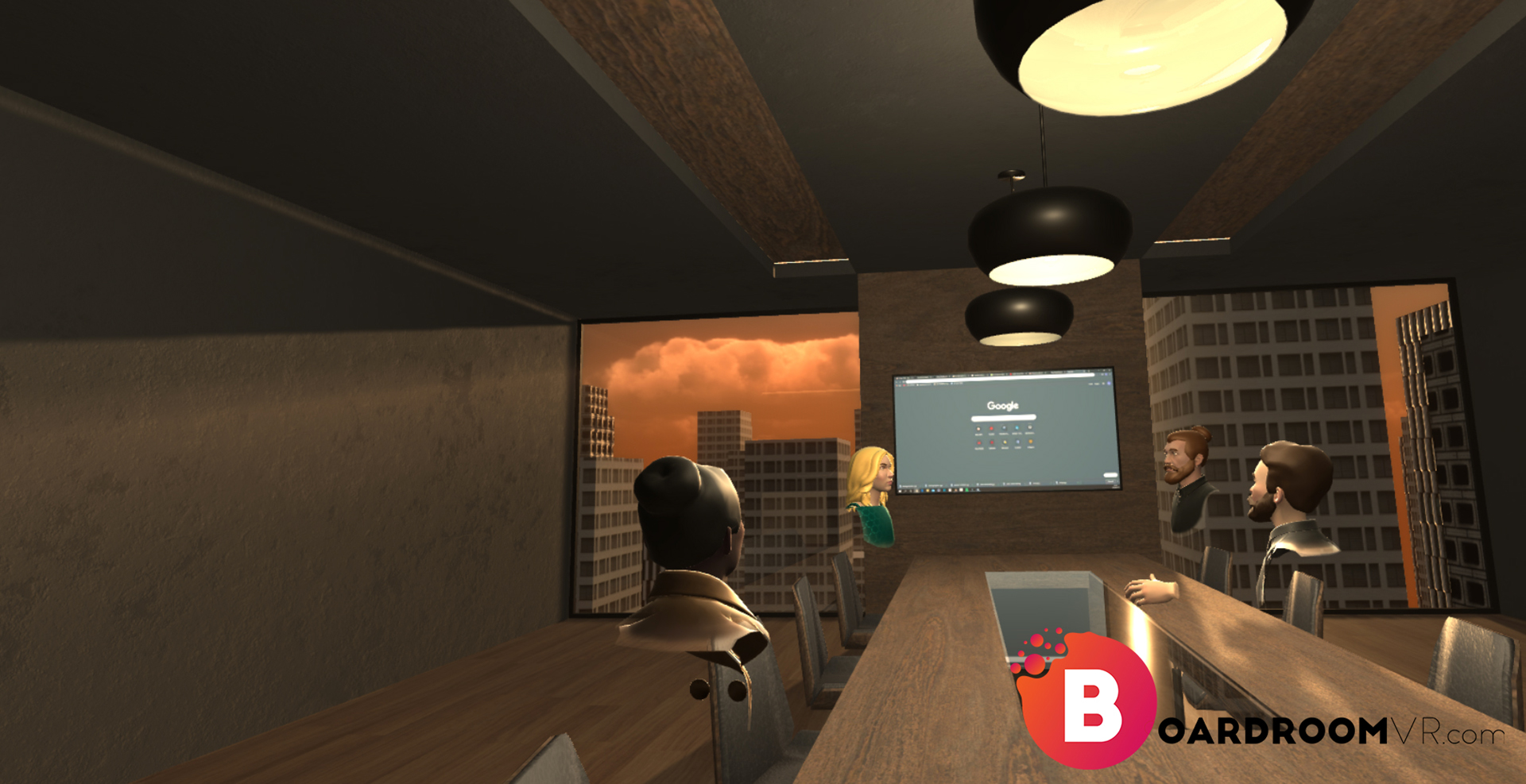
A virtual reality boardroom is a digitally created environment that simulates the physical aspects of a traditional boardroom within a VR headset. This immersive space allows participants to interact with one another as if they were in the same physical room, despite being miles apart. The virtual boardroom is designed to replicate or even surpass the traditional meeting room by offering features that enhance interaction, collaboration, and communication. Through avatars and immersive environments, participants can present, discuss, and brainstorm in a space that feels tangible and engaging, breaking away from the limitations of two-dimensional video calls.
Evolution of VR in Corporate Meetings
The integration of VR into corporate settings has evolved rapidly over the past decade. Initially seen as a novelty, VR has transitioned from being a tool primarily used in gaming to a serious instrument in business. Early adopters recognized the potential of VR for training and simulations, but its use in boardrooms marks a significant shift towards widespread corporate adoption. The evolution of VR in meetings has been driven by advancements in technology, including more affordable VR headsets, improved graphics, and more intuitive user interfaces. These developments have made VR a viable option for companies looking to enhance their meeting experiences and engage with employees and stakeholders in more meaningful ways.
Key Technologies Powering VR Boardrooms
Several key technologies underlie the functionality of VR boardrooms, making them effective and efficient. High-definition graphics and 3D modeling are essential for creating realistic environments that mimic real-world boardrooms or imaginative virtual spaces. Motion tracking and haptic feedback add another layer of immersion, allowing users to interact with objects and feel a sense of presence in the virtual space. Cloud computing plays a crucial role in enabling real-time data sharing and collaboration across different locations, while artificial intelligence (AI) enhances the experience by providing automated features such as transcription, language translation, and meeting scheduling. Together, these technologies create a seamless and immersive boardroom experience that is poised to revolutionize corporate meetings.
Benefits of VR Boardroom Meetings
Enhanced Engagement and Interaction
One of the most significant advantages of VR boardrooms is the heightened level of engagement and interaction they offer. In a VR environment, participants are fully immersed in the meeting, reducing distractions and increasing focus. The ability to interact with 3D models, diagrams, and other visual aids in real-time allows for more dynamic and engaging presentations. Moreover, the use of avatars in VR enables a more personal connection, as participants can read body language and facial expressions, leading to more effective communication. This level of engagement is particularly beneficial for brainstorming sessions, where creativity and collaboration are key.
Cost Savings and Environmental Impact
The financial and environmental benefits of VR boardrooms cannot be overstated. Traditional in-person meetings often require travel, which incurs significant costs in terms of flights, accommodations, and transportation. By hosting meetings in a virtual environment, companies can drastically reduce these expenses. Additionally, the environmental impact of reduced travel'lower carbon emissions and decreased resource consumption'is a crucial consideration for businesses looking to enhance their sustainability efforts. VR boardrooms offer a cost-effective and eco-friendly alternative that aligns with the growing corporate emphasis on environmental responsibility.
Breaking Geographical Barriers
In today's globalized world, businesses often operate across multiple regions and time zones. VR boardrooms break down geographical barriers, allowing teams from around the world to meet and collaborate in a shared virtual space. This capability not only saves time and money but also fosters a sense of unity and inclusivity, as all participants, regardless of location, have equal access to the meeting environment. The virtual boardroom eliminates the logistical challenges of coordinating international meetings, enabling companies to operate more efficiently on a global scale.
Real-Time Collaboration in Virtual Spaces
The ability to collaborate in real-time within a virtual space is a game-changer for corporate meetings. In a VR boardroom, participants can work together on documents, presentations, and designs as if they were in the same room. The interactive nature of VR allows for instant feedback and iteration, speeding up the decision-making process. For example, a design team can review a 3D model together, make adjustments on the fly, and see the changes in real-time. This level of collaboration is difficult to achieve with traditional video conferencing tools, making VR boardrooms a powerful option for companies looking to enhance productivity and innovation.
Designing an Effective VR Boardroom
Essential Features for Immersive Meetings
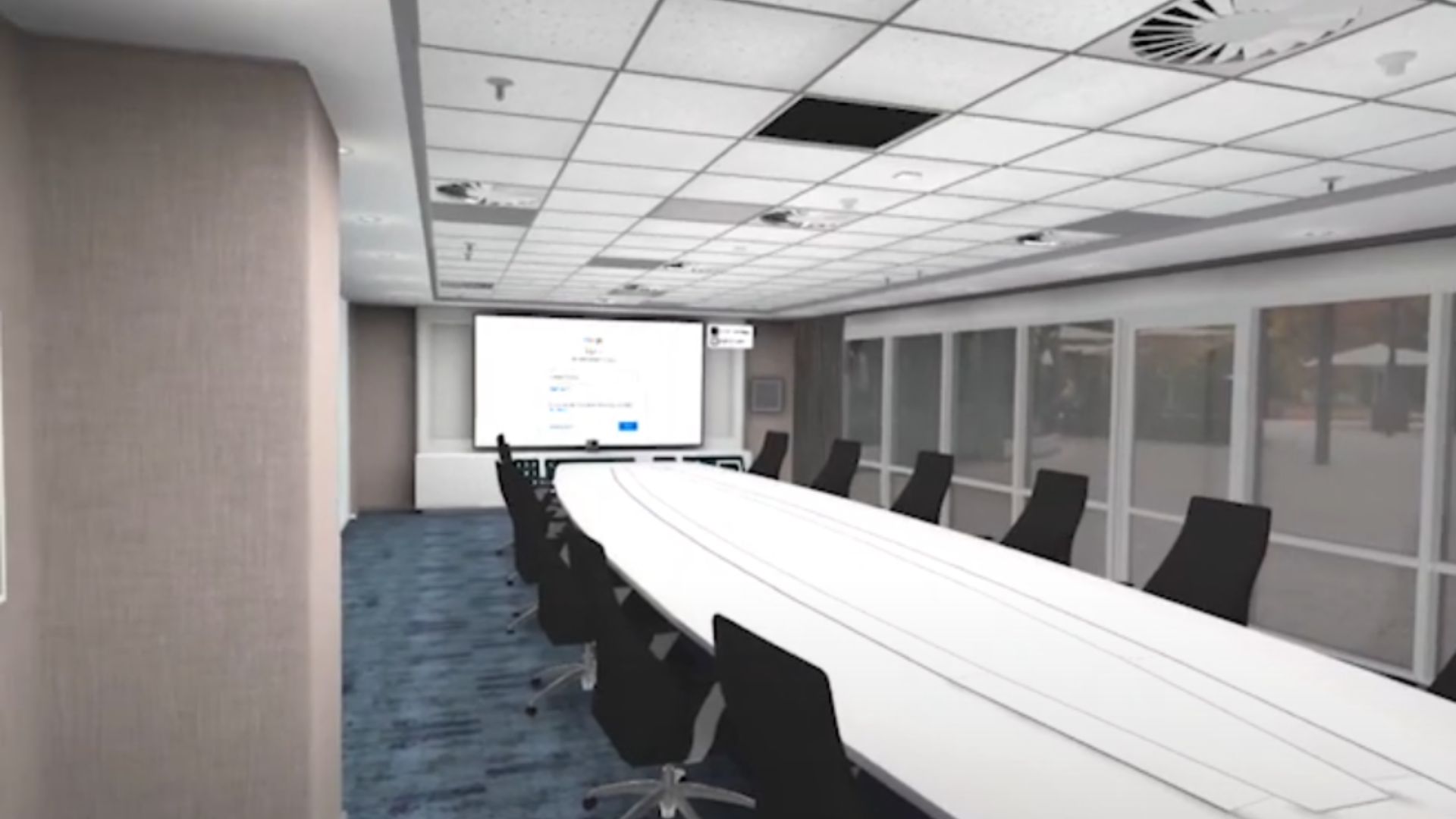
An effective VR boardroom must be equipped with essential features that promote immersion and functionality. High-quality visuals and sound are crucial to creating a realistic and engaging environment. Additionally, the boardroom should offer customizable settings, allowing participants to choose the layout, design, and tools that best suit their needs. Virtual whiteboards, 3D object manipulation, and screen sharing are just a few of the tools that can enhance the meeting experience. Furthermore, the inclusion of social spaces, such as virtual lounges, can facilitate informal interactions and networking, replicating the nuances of in-person meetings.
User-Friendly Interfaces and Navigation
While VR boardrooms offer advanced features, they must also be user-friendly to ensure widespread adoption. The interface should be intuitive, with simple navigation controls that allow participants to move around the virtual space effortlessly. Clear menus, easy access to tools, and straightforward customization options are essential for a smooth user experience. Additionally, VR boardrooms should offer accessibility features, such as voice commands and adjustable text sizes, to accommodate participants with different needs and ensure that everyone can fully engage in the meeting.
Integrating Tools and Applications for Productivity
To maximize productivity, VR boardrooms should integrate seamlessly with existing tools and applications that companies use daily. This includes compatibility with office software, project management platforms, and communication tools. For example, a VR boardroom might allow participants to access and edit documents from cloud storage, manage tasks in real-time, and send instant messages or emails without leaving the virtual environment. These integrations streamline the workflow and make it easier for participants to stay organized and focused during meetings. Additionally, AI-driven tools can enhance productivity by automating routine tasks, such as taking minutes or scheduling follow-up meetings, allowing participants to concentrate on the discussion at hand.
Case Studies: Companies Embracing VR Boardrooms
Tech Giants Leading the VR Meeting Revolution
Several tech giants have been at the forefront of adopting VR boardrooms, leveraging their technological expertise to revolutionize corporate meetings. Companies like Microsoft and Facebook have developed their VR platforms'Mesh and Horizon Workrooms, respectively'to facilitate virtual collaboration. These platforms enable teams to meet, brainstorm, and collaborate in immersive environments, regardless of their physical locations. By embracing VR, these companies are not only enhancing their internal operations but also setting an example for other businesses to follow.
Startups Transforming Collaboration through VR
While tech giants are leading the way, many startups are also making significant strides in transforming collaboration through VR. Startups like Spatial and Glue are creating innovative VR solutions tailored to the needs of smaller teams and creative industries. These platforms focus on providing flexible, user-friendly environments that foster creativity and collaboration. By adopting VR boardrooms, these startups are able to compete with larger companies by offering unique and engaging meeting experiences that attract top talent and clients.
Success Stories and Measurable Outcomes
The success of VR boardrooms can be seen in the measurable outcomes achieved by companies that have adopted this technology. For example, companies that have implemented VR boardrooms report increased employee engagement, improved collaboration, and faster decision-making processes. In some cases, businesses have also seen a reduction in travel expenses and a smaller carbon footprint. These success stories demonstrate the tangible benefits of VR boardrooms, highlighting their potential to transform the way companies operate and compete in the global marketplace.

Challenges and Considerations
Technical Limitations and Connectivity Issues
Despite the many benefits of VR boardrooms, there are still technical limitations and connectivity issues that companies must consider. High-quality VR experiences require robust internet connections and powerful hardware, which may not be available to all participants. Additionally, some users may experience motion sickness or discomfort during prolonged VR sessions. These technical challenges must be addressed to ensure that VR boardrooms are accessible and effective for all users.
Security and Privacy Concerns in Virtual Spaces
As with any digital platform, security and privacy are critical concerns in VR boardrooms. Companies must ensure that their virtual meetings are secure from unauthorized access and data breaches. This includes implementing encryption, secure logins, and regular software updates to protect sensitive information. Additionally, companies must consider privacy issues related to the use of avatars and virtual environments, ensuring that participants' identities and data are protected at all times.
Adapting Company Culture to Virtual Environments
The shift to VR boardrooms also requires companies to adapt their culture to virtual environments. This includes rethinking how meetings are conducted, how decisions are made, and how employees interact with one another. Companies must develop new protocols and best practices for virtual meetings, ensuring that they are as effective and inclusive as in-person meetings. Additionally, companies must provide training and support to help employees adjust to the new technology and make the most of the VR boardroom experience.

The Future of VR Boardroom Experiences
Emerging Trends and Innovations
The future of VR boardrooms is bright, with emerging trends and innovations poised to further enhance the experience. One such trend is the integration of augmented reality (AR) with VR, creating mixed reality
environments that combine the best of both worlds. Additionally, advancements in AI will enable more personalized and adaptive meeting experiences, with virtual assistants that can anticipate participants' needs and provide real-time support. As these technologies continue to evolve, VR boardrooms will become even more immersive, interactive, and effective, offering new possibilities for corporate meetings.
Potential Impact on Global Business Practices
The widespread adoption of VR boardrooms has the potential to significantly impact global business practices. By making it easier for companies to collaborate across borders, VR boardrooms can facilitate international partnerships and expand global markets. Additionally, the ability to conduct meetings in virtual spaces may lead to new business models and strategies, as companies rethink how they operate and compete in a digital-first world. As VR boardrooms become more commonplace, they will likely play a key role in shaping the future of global business.
Predictions for the Next Decade
Over the next decade, we can expect VR boardrooms to become a standard feature of corporate life. As the technology becomes more affordable and accessible, more companies will adopt VR for their meetings and collaboration needs. Additionally, we may see the rise of entirely virtual companies, where all employees work and meet in VR environments. These developments will challenge traditional notions of work and collaboration, paving the way for a new era of corporate innovation and productivity.
Summarizing the Impact of VR on Modern Meetings
The introduction of VR boardrooms marks a significant milestone in the evolution of corporate meetings. By offering immersive, interactive, and flexible environments, VR boardrooms are transforming the way companies collaborate and make decisions. The benefits of VR boardrooms'enhanced engagement, cost savings, and global connectivity'are already being realized by companies around the world.
Encouraging Adoption and Exploration
As VR technology continues to evolve, it is essential for companies to explore the possibilities of VR boardrooms. While there are challenges to overcome, the potential benefits far outweigh the risks. By adopting VR boardrooms, companies can stay ahead of the curve, improve their operations, and create a more connected and innovative work environment.
Final Thoughts on Embracing the Virtual Boardroom
The virtual boardroom is not just a trend; it is the future of corporate meetings. As companies continue to embrace remote work and global collaboration, VR boardrooms will become an essential tool for success. By embracing this technology now, companies can position themselves for long-term growth and competitiveness in an increasingly digital world.
The Future of Boardroom Virtual Reality