

Virtual Reality Gamification
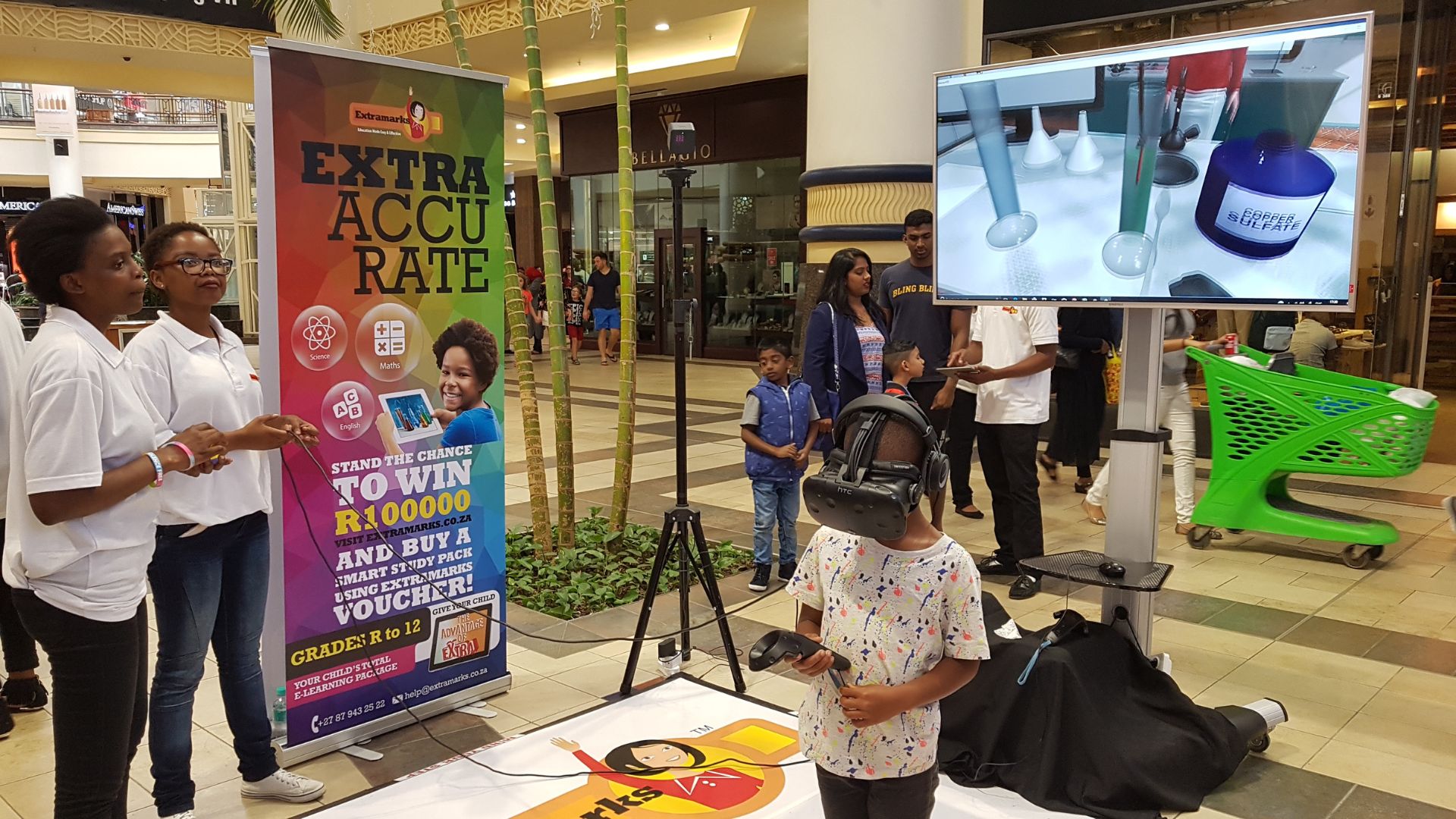
In today's fast-paced digital world, engaging and retaining the attention of users has become a monumental task. Traditional methods of interaction often fall short in capturing the imagination and interest of modern audiences. Enter Virtual Reality (VR) gamification'a cutting-edge approach that combines the immersive power of VR with the engaging elements of game design to create experiences that are not only enjoyable but also highly effective in achieving various goals. From education and training to marketing and entertainment, VR gamification is transforming the way we interact with digital content.
What is Virtual Reality Gamification?
Virtual Reality gamification refers to the integration of game mechanics and design principles within VR environments to enhance user engagement, motivation, and participation. This combination leverages the immersive nature of VR to create compelling and interactive experiences that encourage users to explore, learn, and achieve objectives in a fun and engaging manner. By incorporating elements such as points, badges, leaderboards, and challenges, VR gamification turns routine tasks into exciting adventures.
The Benefits of VR Gamification
Enhanced Engagement and Motivation
One of the most significant advantages of VR gamification is its ability to captivate users' attention. Traditional learning or marketing methods can often be monotonous and fail to keep users engaged. However, VR gamification introduces a sense of excitement and adventure, making the experience more enjoyable. Users are more likely to stay engaged and motivated when they feel like they are part of a game or a story, rather than just passive recipients of information.
Improved Learning and Retention
VR gamification is particularly effective in educational and training contexts. The immersive nature of VR allows users to experience concepts and scenarios firsthand, leading to better understanding and retention of information. For instance, in a VR-based training program for medical professionals, users can practice surgical procedures in a risk-free environment, gaining valuable hands-on experience. The gamified elements, such as earning points for completing tasks correctly, provide instant feedback and reinforcement, further enhancing the learning experience.
Increased Participation and Collaboration
Gamification in VR can also foster collaboration and teamwork. Multiplayer VR games and experiences encourage users to work together to achieve common goals, promoting communication and cooperation. This is particularly useful in corporate training and team-building exercises, where fostering a collaborative culture is essential. The shared immersive environment of VR helps break down barriers and creates a sense of camaraderie among participants.
Data-Driven Insights
Another advantage of VR gamification is the ability to collect and analyze user data. By tracking user interactions, progress, and performance within the VR environment, organizations can gain valuable insights into user behavior and preferences. This data can be used to refine and improve the gamified experience, making it more effective and tailored to the needs of the users.
Applications of VR Gamification
Education and Training
Education and training are among the most promising applications of VR gamification. From K-12 education to professional development, VR gamification can transform traditional learning methods. Students can explore historical events, conduct virtual science experiments, or practice language skills in immersive environments. For professional training, VR gamification offers a safe and engaging way to practice skills, from firefighting to piloting aircraft, without the risks associated with real-life training.
Marketing and Brand Engagement
Marketers are increasingly turning to VR gamification to create memorable and interactive brand experiences. By integrating gamified VR elements into marketing campaigns, brands can engage consumers in a unique and impactful way. For example, a car manufacturer might create a VR driving game that allows users to test drive a new model in a virtual environment, earning rewards for completing challenges and sharing their experiences on social media. This not only generates excitement and buzz around the product but also provides valuable insights into consumer preferences and behaviors.
Healthcare and Therapy
In healthcare, VR gamification is being used for both treatment and training purposes. Patients undergoing physical therapy can use gamified VR experiences to perform exercises in a more engaging and motivating way. For example, a stroke patient might play a VR game that requires them to move their arms and legs, helping them regain mobility while having fun. Similarly, VR gamification is being used to train healthcare professionals in various procedures and protocols, improving their skills and confidence.
Employee Training and Development
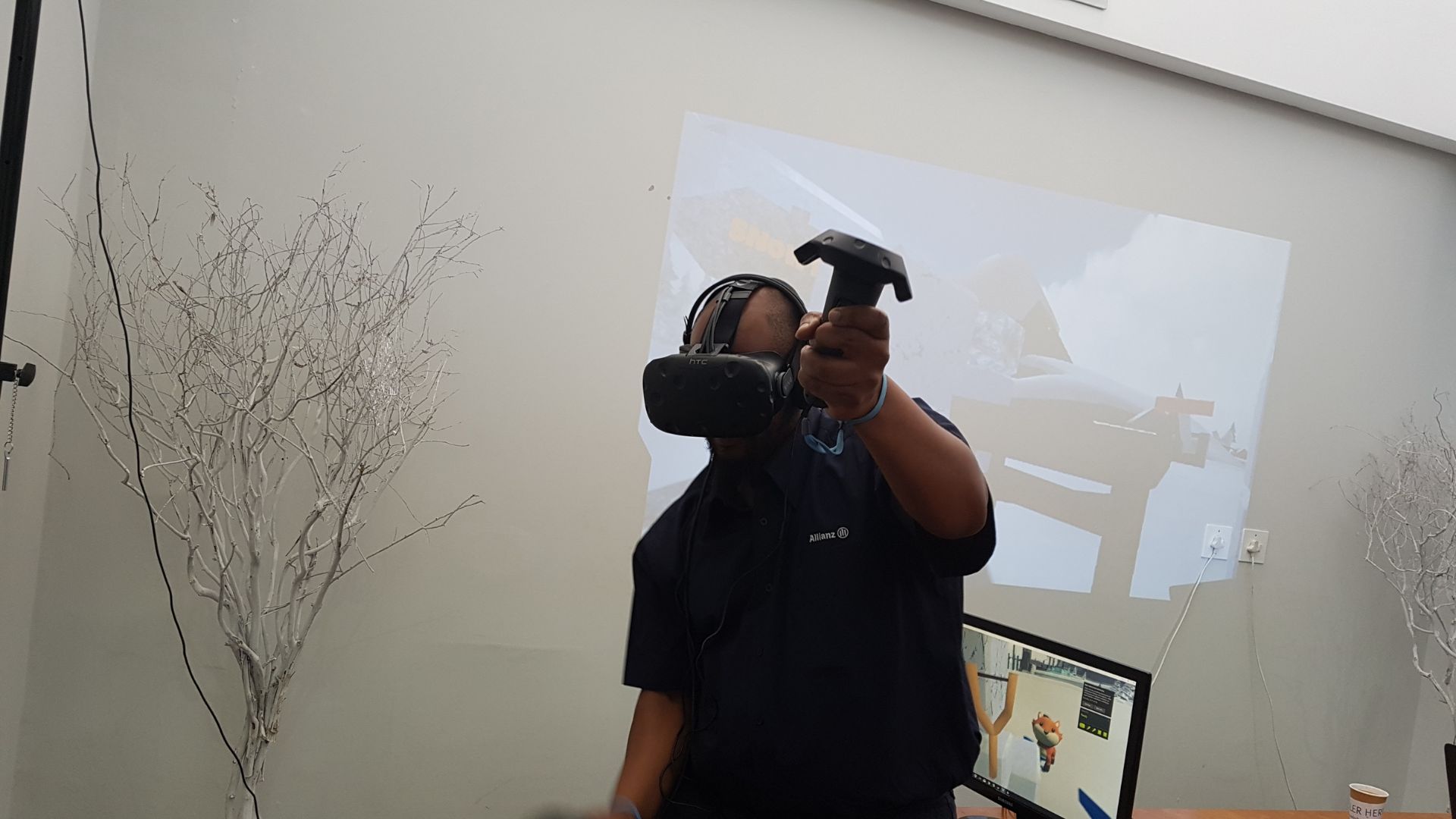
Corporations are leveraging VR gamification to enhance employee training and development programs. Traditional training methods can often be dry and uninspiring, leading to low engagement and retention rates. By incorporating VR gamification, companies can create immersive and interactive training modules that make learning enjoyable and effective. Employees can participate in virtual simulations of real-world scenarios, such as handling customer service situations or navigating complex machinery, earning rewards and feedback as they progress.
The Future of VR Gamification
As VR technology continues to evolve, the potential for VR gamification is vast. Advances in hardware, such as more affordable and accessible VR headsets, along with improvements in software and content creation tools, will make it easier for organizations to implement VR gamification across various domains. The integration of artificial intelligence and machine learning will further enhance the personalization and adaptability of VR gamified experiences, making them even more effective in achieving their goals.
The growing interest in the metaverse'a collective virtual shared space'opens up new possibilities for VR gamification. Within the metaverse, users can engage in gamified experiences that span multiple virtual worlds, creating a seamless and interconnected digital ecosystem. This will provide unprecedented opportunities for education, entertainment, commerce, and social interaction.
Virtual Reality gamification is a powerful tool that has the potential to revolutionize the way we engage with digital content. By combining the immersive nature of VR with the motivational elements of game design, VR gamification creates experiences that are not only enjoyable but also highly effective in achieving various goals. From education and training to marketing and therapy, the applications of VR gamification are diverse and impactful. As technology continues to advance, the future of VR gamification looks incredibly promising, offering endless possibilities for innovation and engagement.