

Virtual Reality Revolutionizing South African Real Estate
Author
Elisha Roodt
Date Published

Virtual Reality (VR) has significantly advanced beyond its initial applications in gaming and entertainment, now standing as a revolutionary force in the real estate sector. This cutting-edge technology creates immersive, three-dimensional simulations that enable users to experience properties as if they were physically present. VR offers a level of realism and detail that traditional methods struggle to match. For potential buyers, it provides a virtual walkthrough of homes, commercial spaces, and other properties from anywhere in the world. This capability not only enhances the property viewing experience but also streamlines the process, making it more engaging and efficient.
In the dynamic and diverse South African real estate market, the adoption of VR is particularly timely. The traditional approaches to property viewing'such as in-person tours and static online listings'can be cumbersome and often fail to capture the full essence of a property. By contrast, VR technology offers a modern solution that addresses these inefficiencies. It allows buyers to explore properties in a detailed, interactive environment, overcoming geographical barriers and scheduling conflicts that can impede the traditional buying process. This shift is crucial in a market where adaptability and innovation are key to staying competitive.
The influence of technology on real estate is already significant, with digital listings, virtual tours, and online valuations becoming increasingly common. VR represents the pinnacle of this trend, not merely enhancing existing practices but fundamentally transforming them. By providing a more immersive and detailed view of properties, VR enables potential buyers to make more informed decisions without needing to visit in person. This innovation is setting new standards for property interactions and expectations, pushing the industry toward more advanced, user-friendly solutions.
As real estate continues to evolve, VR is poised to redefine the industry's benchmarks. The technology is not only shaping how properties are marketed and sold but also enhancing the overall buyer experience. With VR, the future of real estate looks set to be more interactive, efficient, and tailored to the needs of a modern, tech-savvy market.
The Rise of Virtual Reality in South Africa
The adoption of Virtual Reality (VR) technology in South Africa's real estate sector is experiencing a rapid and exciting surge. As real estate agents, developers, and investors increasingly embrace the benefits of VR, this technology is becoming an essential tool in the industry. This trend reflects a broader global movement toward digitalization in real estate, yet South Africa's unique market characteristics introduce both promising opportunities and specific challenges.
South Africa's real estate landscape is being transformed by key industry leaders who are driving the VR revolution. Innovators and early adopters are integrating VR into their services, setting new benchmarks for property marketing and sales. For instance, companies like Prop Data and VR360 are at the forefront of this transformation, introducing advanced VR applications that allow potential buyers to explore properties from the comfort of their own homes. This development is making property shopping more accessible and engaging, as it removes geographical and time barriers, providing a more immersive and interactive experience for users.
Several notable case studies illustrate the impact of VR in South Africa's real estate sector. For example, Pam Golding Properties, a leading real estate agency, has effectively utilized VR to showcase luxury properties. This approach has led to a marked increase in both engagement and sales, demonstrating the power of VR in attracting and retaining clients. Similarly, Greeff Properties has employed VR technology to offer virtual tours of commercial spaces, enhancing client interactions and streamlining the decision-making process. These case studies highlight how VR is not only reshaping the real estate landscape but also providing more dynamic and efficient methods for connecting buyers with properties.
The rise of VR in South Africa underscores a significant shift in the industry, where traditional methods are being augmented by cutting-edge technology. As VR continues to evolve and become more integrated into real estate practices, it promises to further enhance the way properties are marketed and sold, offering a glimpse into the future of real estate in South Africa.

Enhancing Property Viewing Experiences
Virtual tours are transforming the property showcasing process, delivering a substantial upgrade from traditional methods. These immersive walkthroughs enable potential buyers to explore homes and commercial spaces as if they were physically present, offering a richer and more detailed view than static photos and videos. This technology not only saves time for both buyers and sellers but also enriches the overall viewing experience by simulating a real-life tour, making the property search process more efficient and engaging.
The integration of 360-degree views takes this experience to the next level by allowing users to examine every angle of a space. This comprehensive perspective is particularly advantageous for clients who are unable to visit properties in person. With 360-degree views, buyers can gain a clear and thorough understanding of a property's layout and design, enabling them to virtually "walk through" and assess the flow and spatial arrangement. This level of detail helps prospective buyers make more informed decisions, as they can see and interact with the property as if they were physically there.
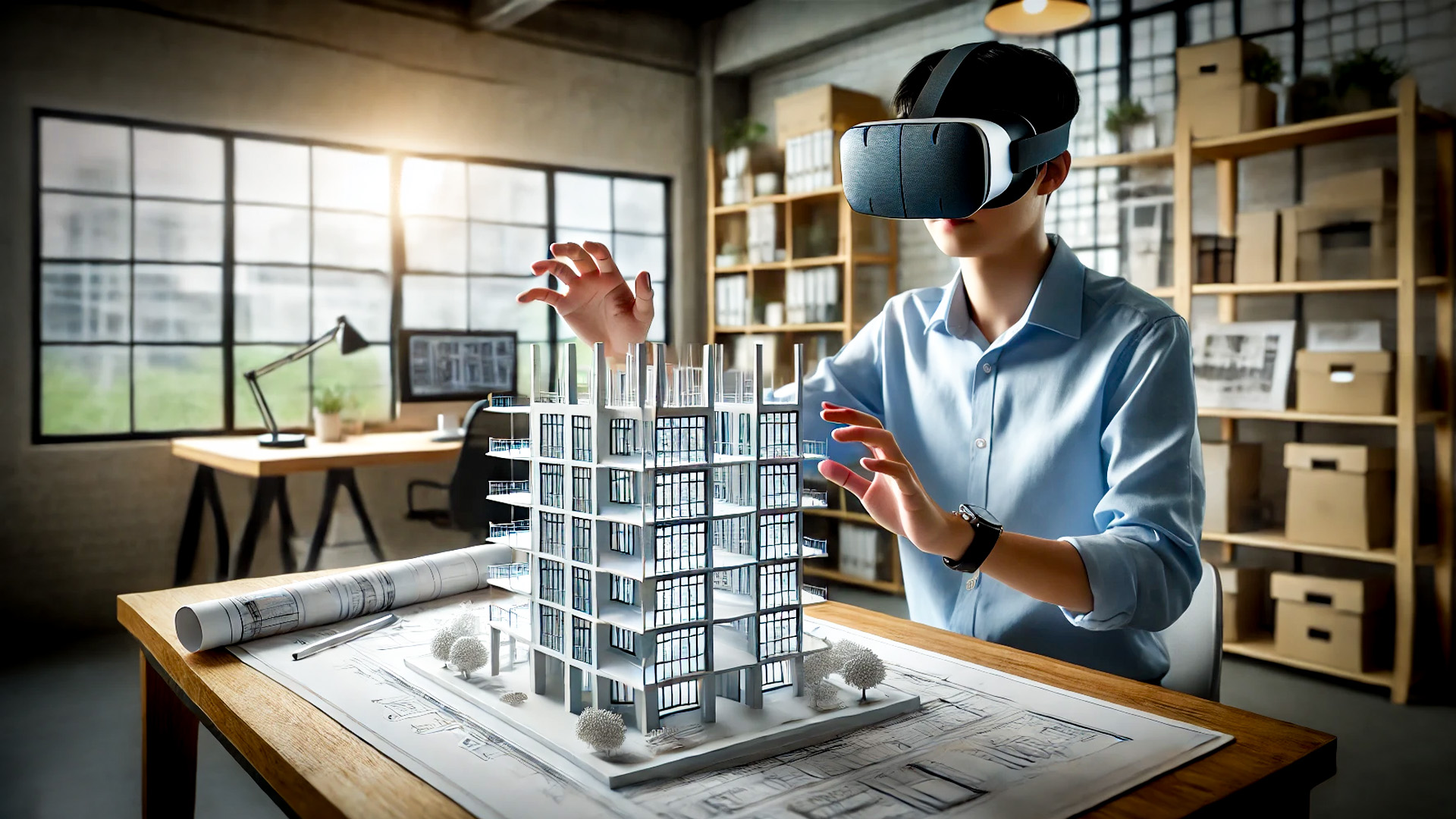
Adding Augmented Reality (AR) features introduces an additional layer of interactivity to property presentations. Interactive floor plans allow users to experiment with potential modifications or furniture arrangements, providing a glimpse into how the space could be tailored to their personal preferences and needs. For instance, buyers can visualize how different furniture pieces or room layouts might look in the actual space. This blend of VR and AR creates a more engaging and personalized property viewing experience, enabling clients to better envision themselves in the space and make decisions that align with their individual tastes and requirements.
Overall, the combination of virtual and augmented reality technologies enhances the property viewing process, offering a more immersive, detailed, and interactive experience. As these technologies continue to evolve, they are set to redefine how properties are showcased, making the buying and selling process more intuitive and efficient.
Streamlining Real Estate Transactions with VR
Virtual Reality (VR) is revolutionizing real estate transactions by streamlining processes and enhancing the overall efficiency of property sales. One of the most impactful innovations is virtual staging, which has transformed how empty or outdated properties are presented. By digitally furnishing and decorating spaces, virtual staging enables potential buyers to visualize a property's full potential without the need for physical staging. This approach makes properties appear more attractive and engaging, significantly boosting their marketability and potentially accelerating the decision-making process. Buyers can better envision how they might use and live in the space, leading to quicker and more decisive offers.
In addition to virtual staging, VR technology facilitates remote consultations between buyers and real estate agents, overcoming physical distance barriers. In today's globalized world, where clients and agents often operate from different continents, VR offers a seamless solution for virtual meetings and property viewings. This capability eliminates the need for travel, allowing clients to engage with agents and explore properties from anywhere. Such remote interactions not only save time and reduce costs but also expand the reach of real estate services, making it easier for clients to access information and make informed decisions.
Another significant advantage of VR in real estate is its impact on the time a property spends on the market. Detailed virtual tours and interactive experiences created through VR attract serious buyers more quickly. By providing a comprehensive and engaging view of a property, VR helps capture the interest of potential buyers who are more likely to make offers sooner. This accelerated engagement process not only shortens the time required to close sales but also enhances the efficiency of the buying and selling process. As a result, both sellers and buyers benefit from a more streamlined and effective transaction experience.
Overall, VR technology is transforming real estate transactions by making property presentation more compelling, facilitating remote interactions, and reducing market time. As these technologies continue to advance, they are poised to further enhance the efficiency and effectiveness of the real estate industry, offering significant advantages for all parties involved.

Cost Benefits and Efficiency
The cost benefits of Virtual Reality (VR) in real estate are substantial and multifaceted. By reducing the need for traditional property showings and physical staging, VR significantly lowers expenses associated with these activities. Traditional property marketing often involves costs for staging, photographing, and preparing homes for open houses, all of which can be quite expensive. In contrast, VR allows for the creation of detailed virtual tours and digitally staged environments at a fraction of the cost. This not only saves money but also enhances the quality of property presentations by providing a more immersive and detailed view of the space.
Time savings represent another significant advantage of VR. Virtual property viewings eliminate geographical barriers and scheduling conflicts, allowing prospective buyers to explore properties at their own convenience. This flexibility accelerates the buying process, as potential buyers can conduct virtual tours and make decisions without the need for time-consuming travel or coordination with sellers. The ability to view multiple properties in a short period enhances efficiency for both buyers and sellers, leading to faster transactions and a more streamlined process.
From an environmental perspective, VR offers notable ecological benefits by reducing the necessity for physical property visits. This decrease in travel not only lowers the carbon footprint associated with commuting to view properties but also contributes to broader sustainability goals. By minimizing the environmental impact of real estate transactions, VR supports greener practices and aligns with the industry's growing emphasis on sustainability. The adoption of VR technology reflects a commitment to both cost-effective and environmentally responsible practices, underscoring its increasing importance in the real estate sector.
Overall, the integration of VR in real estate provides significant cost benefits and operational efficiencies, while also contributing to environmental sustainability. As the technology continues to evolve and gain traction, it is poised to further enhance the effectiveness and eco-friendliness of property transactions, benefiting all stakeholders involved.
Future Trends in VR for South African Real Estate
The future of Virtual Reality (VR) in South African real estate is poised to be transformative, driven by rapid advancements in technology. Upcoming innovations, such as advanced haptic feedback and increasingly realistic VR environments, are set to elevate user experiences to new heights. Haptic feedback technology, for example, will enable users to feel physical sensations, such as the texture of a surface or the resistance of a door, enhancing the realism of virtual property tours. This heightened immersion promises to make property showcases even more engaging and effective, allowing potential buyers to experience properties in a way that closely mimics real-life interactions.
As VR technology becomes more accessible and affordable, its adoption in the real estate sector is expected to expand significantly. Real estate professionals in South Africa will increasingly leverage VR to stand out in a competitive market. By offering clients exceptional and immersive property experiences, agents and developers can differentiate themselves and attract a broader audience. This trend will not only boost client satisfaction but also streamline the property buying and selling process, making transactions more efficient and transparent.
The integration of Artificial Intelligence (AI) and Machine Learning into VR is also on the horizon, promising further enhancements to the real estate industry. AI algorithms can analyze user preferences and behavior to provide tailored property recommendations, ensuring that clients are presented with options that best fit their needs and desires. Meanwhile, machine learning can refine the realism of virtual environments, making virtual tours even more lifelike and convincing. These technological advancements will embed VR deeper into the real estate workflow, making it an indispensable tool for industry professionals and setting new standards for property marketing and client engagement.
Challenges and Considerations
Despite the numerous benefits of Virtual Reality (VR) in real estate, several challenges need to be addressed to fully leverage this technology. One of the primary issues is ensuring high-quality, glitch-free experiences. Technical problems such as lag, low resolution, or software bugs can detract from the immersive experience and potentially damage client trust. Consistency and reliability in VR presentations are crucial for maintaining professional standards and meeting client expectations. Real estate professionals must invest in high-quality VR equipment and software, as well as conduct thorough testing to ensure smooth and effective virtual tours.
Consumer adoption remains another significant challenge. Although VR technology offers considerable advantages, some clients may be hesitant to embrace it due to unfamiliarity or skepticism about its effectiveness. To address this resistance, effective communication is key. Real estate professionals should offer clear demonstrations of VR's value and reliability, highlighting how it can enhance property viewing experiences and streamline the buying and selling process. Educating clients about the benefits of VR and providing hands-on opportunities to experience the technology can help alleviate concerns and encourage adoption.
Privacy and security are also major considerations in the VR space. Safeguarding user data and ensuring secure transactions within virtual environments are essential for maintaining client trust and complying with regulations. As VR applications collect and handle sensitive information, implementing robust security measures is crucial. This includes employing encryption protocols, secure authentication processes, and regular security audits. Additionally, educating clients about data protection and privacy measures can help mitigate concerns and build confidence in the technology.
Overall, while Virtual Reality is making a profound impact on the South African real estate market by transforming property marketing, viewing, and sales processes, addressing these challenges is essential for maximizing its potential. By offering immersive and interactive experiences, VR enhances property presentations, streamlines transactions, and reduces costs.
Looking ahead, embracing VR technology is crucial for real estate professionals who wish to remain competitive. With ongoing innovations and evolving opportunities on the horizon, now is the ideal time to integrate VR into real estate practices. By addressing technical issues, fostering consumer adoption, and ensuring robust privacy and security measures, real estate professionals can harness the full potential of VR for continued growth and success in the industry.