

VR: The Ultimate Team-Building Tool
Author
Elisha Roodt
Date Published
In today's fast-paced corporate world, the importance of cohesive team dynamics cannot be overstated. As businesses strive to stay competitive, the ability to foster strong collaboration and communication within teams is crucial. Enter Virtual Reality (VR), a transformative technology that is redefining the landscape of corporate team-building. Once considered a novelty, VR has quickly become an indispensable tool, offering immersive and innovative experiences that go beyond the conventional team-building exercises. This article delves into why VR is the ultimate team-building tool and how it is revolutionizing corporate culture.
What Makes VR the Ultimate Team-Building Tool
Virtual Reality stands out as the ultimate team-building tool due to its unparalleled ability to immerse participants in a shared, interactive environment. Unlike traditional methods, VR removes the physical and geographical constraints, allowing teams to engage in dynamic and complex scenarios regardless of their location. Whether employees are in the same office or dispersed across the globe, VR can bring them together into a cohesive virtual space, breaking down the barriers that typically limit collaboration. The power of VR lies in its capacity to simulate real-world challenges that require cooperation, quick thinking, and effective communication. This makes it not only an entertaining medium but a powerful training ground for skills that are directly applicable to the workplace. With teams fully immersed in a controlled environment, they must rely on each other to navigate difficult situations, fostering stronger relationships and honing problem-solving abilities. This level of engagement fosters deeper connections among team members, enhancing their ability to work together in real-world situations. Furthermore, the immersive nature of VR ensures that participants are fully focused on the task at hand, leading to more meaningful interactions and long-lasting impacts on team cohesion.
The Evolution of Team-Building
Team-building has evolved significantly over the years. What began as simple exercises aimed at improving trust and communication has grown into a multifaceted discipline designed to enhance workplace culture, productivity, and morale. From trust falls and ropes courses to complex problem-solving activities, the aim has always been to build camaraderie and improve collaboration. However, traditional team-building activities often fall short in addressing the diverse needs of modern, multi-generational teams. The diversity in today's workforce means that no single approach will appeal to all members of a team, which can reduce the effectiveness of more traditional activities. The shift towards remote and hybrid work models further complicates the execution of these activities, making it increasingly difficult to bring employees together for in-person events. As a result, the demand for more sophisticated, inclusive, and flexible team-building solutions has skyrocketed. This is where VR emerges as a game-changer. It offers a universally accessible platform where team-building exercises can be adapted to the unique needs of different teams, ensuring that every participant, regardless of their role or location, can benefit from the experience.
From Traditional Activities to Virtual Reality
Traditional team-building activities, while effective to a degree, often lack the engagement and excitement needed to make a lasting impact. They can also be limited by logistical challenges, such as location, time, and accessibility. For example, organizing a company-wide retreat or a day of physical challenges often requires significant planning, travel, and resources. Not to mention, these activities may not always resonate with every participant, leading to varying levels of enthusiasm and involvement. VR, on the other hand, offers a boundless virtual environment where teams can participate in a wide range of activities, from virtual escape rooms to simulated crisis management scenarios. These activities can replicate real-life challenges or place participants in entirely fictional worlds, providing a flexible and highly customizable experience. These experiences can be tailored to address specific team dynamics, ensuring that every participant is fully engaged. With the ability to track performance metrics and adjust difficulty levels, VR team-building can be personalized to improve particular skills such as leadership, decision-making, or collaboration. The transition from physical to virtual activities not only broadens the scope of possibilities but also introduces an element of novelty that reinvigorates team-building efforts. This fresh, technology-driven approach reinvigorates team-building efforts, making them more dynamic, impactful, and suited to the needs of today's digital workforce.
How VR Is Changing the Corporate Landscape
The corporate landscape is undergoing a significant transformation, driven in part by technological advancements such as Virtual Reality (VR). Once considered a novelty, VR is now becoming an integral part of modern business strategies, reshaping how companies approach everything from training to collaboration. Companies are increasingly recognizing the value of VR as a tool for enhancing not just team-building, but overall employee engagement and satisfaction. In an era where remote work and global teams are the norm, VR offers a unique solution that bridges the physical gap, bringing employees together in a way that feels personal and engaging. By integrating VR into their team-building strategies, organizations can create more effective, memorable, and impactful experiences that transcend traditional methods.
Beyond team-building, VR is also revolutionizing corporate training, onboarding, and even recruitment processes. For instance, VR allows employees to undergo immersive training sessions that closely mimic real-world scenarios, whether it's handling a difficult customer interaction, operating complex machinery, or navigating a crisis. This hands-on experience not only accelerates learning but also boosts retention rates, as employees are more likely to remember information when they've actively participated in a simulation.
Moreover, VR enables companies to simulate high-pressure situations, allowing teams to practice and refine their skills in a controlled environment. This is particularly valuable in industries where quick thinking and decisive action are critical, such as healthcare, finance, and emergency services. By rehearsing these scenarios in VR, employees can develop the confidence and competence needed to perform effectively under stress.
This proactive approach to team-building and training helps prepare employees for real-world challenges, making them more resilient and adaptable. Additionally, the use of VR in the workplace contributes to a more innovative company culture, signaling to both current employees and potential hires that the organization is forward-thinking and invested in cutting-edge solutions. As VR continues to evolve, its role in shaping the corporate landscape will only grow, offering new ways for businesses to engage, train, and retain their talent.

Key Benefits of VR for Team-Building
Immersive and Engaging Experiences
VR's immersive nature makes it uniquely suited for team-building by offering an experience that fully captivates participants. Unlike traditional team-building activities, where distractions can diminish engagement, VR creates an all-encompassing environment that demands complete focus. Whether it's navigating through a virtual obstacle course or working together to solve a complex puzzle, the interactive nature of VR keeps team members engaged and motivated throughout the experience. The sensory-rich environments created by VR stimulate participants' senses in ways that enhance involvement, allowing them to feel more connected to the task and their teammates. This level of immersion translates into higher engagement rates compared to traditional methods, resulting in deeper connections and more effective learning.
Breaking Down Communication Barriers
One of the most significant challenges in team-building is overcoming communication barriers, especially when teams are geographically dispersed or diverse in their backgrounds. VR facilitates seamless communication by placing team members in situations where they must rely on clear, concise communication to succeed. The virtual environment eliminates common workplace distractions such as emails, phone calls, or office noise, allowing teams to focus solely on the task at hand. In a VR setting, non-verbal cues and body language can be replaced by avatars and gestures, making communication even more intentional. This helps to build stronger communication skills, as participants are encouraged to articulate their thoughts more clearly, listen actively, and collaborate more effectively. These improved communication skills can then be applied to real-world workplace interactions, fostering a more cohesive and collaborative work culture.
Promoting Creativity and Problem-Solving
VR scenarios often require teams to think creatively and come up with innovative solutions to challenges. The virtual environment's versatility allows for endless possibilities, from futuristic simulations to realistic recreations of work-related situations, pushing participants out of their comfort zones and encouraging out-of-the-box thinking. This fosters a culture of problem-solving where team members are free to explore different strategies and approaches without the fear of real-world consequences. In this safe space, experimentation is encouraged, leading to breakthrough ideas and strategies that might not emerge in a traditional setting. By pushing the boundaries of conventional thinking, VR encourages innovation, adaptability, and creative collaboration within teams.
Enhancing Collaboration and Teamwork
Collaboration is at the heart of any successful team, and VR excels at promoting this vital skill through its interactive and engaging experiences. In a virtual environment, team members must work together to achieve common goals, whether it's completing a mission, solving a mystery, or navigating through a high-pressure scenario. Each participant is given a unique role, reinforcing the notion that success is dependent on collective effort. The interactive nature of VR experiences reinforces the importance of teamwork, as each participant's contribution is crucial to the group's success. By emphasizing interdependence and shared responsibility, VR builds stronger, more cohesive teams that can carry those collaborative skills back into the workplace.
Building Trust Through Virtual Challenges
Trust is the foundation of any effective team, and VR's ability to simulate real-world challenges allows teams to build trust in a safe and controlled environment. These simulations can range from crisis management scenarios to team-based problem-solving exercises, all of which require participants to trust and depend on each other. As team members navigate these challenges together, they learn to rely on each other's strengths, communicate openly, and support one another. The shared experience of overcoming obstacles fosters a sense of camaraderie and mutual respect, helping to strengthen trust and build deeper bonds among team members. Ultimately, the trust developed through these virtual challenges can translate into stronger, more resilient teams in the real world, capable of handling whatever challenges may come their way.

Creating Customizable VR Team-Building Programs
Tailoring VR Experiences to Your Team's Needs
One of the greatest advantages of VR is its flexibility. Unlike traditional team-building methods, which can be limited in scope and scalability, VR team-building programs can be customized to meet the specific needs and objectives of your team. Whether you want to focus on improving communication, fostering creativity, or enhancing leadership skills, VR can be tailored to address these areas with precision. Customization allows you to design unique experiences that resonate with the specific challenges or goals your team is facing, ensuring that the team-building experience is relevant and meaningful. For example, a team struggling with communication issues can participate in a VR scenario that simulates high-pressure situations requiring concise and effective dialogue. Alternatively, if the goal is to enhance leadership skills, a program can be designed where team members take turns leading a group through complex tasks. This level of customization leads to better outcomes by directly addressing the areas where improvement is needed, making the experience more impactful and transformative.
Incorporating Company Values into VR Exercises
Integrating company values into VR team-building exercises can help reinforce these principles in a memorable and engaging way. Traditional methods of communicating company values'through presentations, workshops, or written materials'often fail to leave a lasting impression. By designing VR scenarios that reflect your company's mission and values, you can create a cohesive experience that not only builds team spirit but also aligns with your organizational culture. Imagine a scenario where employees must work together to navigate ethical dilemmas or make decisions that align with the company's core values. This immersive approach makes the values come to life, offering participants a hands-on opportunity to embody and practice these principles. Such alignment fosters greater employee buy-in and a deeper connection to the company's goals, resulting in a more unified and purpose-driven workforce.
Tracking Progress and Outcomes in Real-Time
Another significant benefit of VR is the ability to track progress and outcomes in real-time. Advanced analytics tools embedded within VR platforms can monitor team performance, providing valuable insights into how participants are interacting with the environment and with each other. Metrics such as response times, decision-making patterns, and collaboration levels can all be captured and analyzed, allowing organizations to evaluate individual and team performance comprehensively. This data-driven approach enables organizations to measure the effectiveness of their team-building efforts and make informed decisions about future initiatives. For example, if the data reveals that a team excels at collaboration but struggles with leadership transitions, the program can be adjusted to include more leadership development exercises. This continuous feedback loop ensures that VR team-building programs are dynamic, adaptable, and optimized for maximum impact, contributing to ongoing development and growth within the organization.
Real-World Applications of VR Team-Building
Case Studies: Success Stories from Top Companies
Many leading companies have embraced VR as a team-building tool with remarkable success. For example, multinational corporations like Accenture and PwC have implemented VR for training and team-building, helping geographically dispersed teams connect and collaborate. Accenture used VR to create immersive onboarding experiences that enhance new employees' sense of inclusion, while PwC leveraged VR to train their teams in soft skills like leadership and communication. In the tech industry, companies like Facebook's Meta have used VR to improve collaboration among remote teams, fostering creativity and unity even when employees are spread across the globe. These case studies showcase how organizations across various industries have used VR to enhance team cohesion, boost morale, and drive performance, serving as a blueprint for others seeking to implement VR in their team-building strategies.
How Different Industries Are Utilizing VR
Different industries have unique team-building needs, and VR offers a versatile solution that can be adapted to any sector. In healthcare, for instance, VR is used to simulate emergency scenarios that require quick thinking, coordination, and effective communication among medical teams. This allows healthcare professionals to practice responding to high-stress situations without putting patients at risk, enhancing their teamwork under pressure. In the finance sector, companies are using VR to simulate client interactions and negotiation scenarios, enabling teams to improve their collaboration and strategic thinking in a risk-free environment. The education industry is also benefiting from VR team-building activities, where educators collaborate in virtual classrooms to develop more engaging and innovative teaching methods. By adapting to the specific needs of each industry, VR helps build stronger, more resilient teams equipped to handle real-world challenges.
Examples of VR Activities That Foster Team Unity
There are countless VR activities designed to foster team unity and collaboration. One popular option is virtual escape rooms, where teams must work together to solve puzzles and find their way out of a simulated environment. These challenges require effective communication, creative thinking, and trust, helping teams develop these skills in a fun and engaging way. Another example is virtual scavenger hunts, where team members explore digital environments to collect items and solve clues as a group. Team-based challenges, like virtual obstacle courses or simulated crisis management exercises, encourage participants to collaborate, strategize, and support each other to succeed. These activities not only enhance collaboration and problem-solving but also create memorable experiences that reinforce team bonds long after the VR session ends.
Overcoming Challenges in VR Team-Building
Addressing Technological Hurdles
While VR offers numerous benefits for team-building, it also presents certain challenges, particularly in terms of technology. Ensuring that the necessary hardware and software are available and functioning properly can be a hurdle for organizations new to VR. Issues such as equipment compatibility, software glitches, or connectivity problems can disrupt the experience and detract from its effectiveness. However, with the rapid advancement of VR technology and the increasing availability of user-friendly solutions, these issues are becoming less of a barrier. To overcome these challenges, organizations should consider partnering with experienced VR providers who can offer the necessary support and expertise. These providers can assist with setting up the technology, troubleshooting problems, and ensuring that the VR experiences run smoothly. By leveraging the knowledge and resources of specialized VR partners, companies can mitigate technological hurdles and fully harness the potential of VR for team-building.
Ensuring Inclusivity and Accessibility
Inclusivity and accessibility are critical considerations in any team-building initiative, and VR team-building programs must be designed with these factors in mind. Not all participants may have the same level of technical proficiency or physical ability, so it's essential to create VR experiences that accommodate diverse needs. This includes providing alternative modes of interaction for those who may have difficulty using standard VR controllers or ensuring that the VR environment is accessible to individuals with physical disabilities. Additionally, offering training or orientation sessions before the VR activity can help participants familiarize themselves with the technology and feel more comfortable using it. By prioritizing inclusivity and accessibility, organizations can ensure that all team members have the opportunity to participate and benefit from the VR team-building experience, fostering a more inclusive and supportive team environment.
Maximizing Participation and Engagement
To maximize participation and engagement in VR team-building activities, it's essential to choose experiences that resonate with your team's interests, strengths, and preferences. Conducting a survey or gathering feedback from team members can provide valuable insights into what types of activities they find most appealing and relevant. Additionally, providing clear instructions and offering support throughout the VR experience can help ensure that all participants are fully engaged and motivated. This might involve assigning a facilitator to guide the team through the VR activities, addressing any questions or concerns, and encouraging open communication during the experience. By aligning the VR activities with the team's interests and providing adequate support, organizations can enhance participation and make the team-building process more effective and enjoyable.
The Future of VR in Corporate Team-Building
Innovations on the Horizon
The future of VR in corporate team-building is set to be transformative, with a host of innovations on the horizon that promise to further enhance its effectiveness. As VR technology continues to advance, we can expect to see more realistic simulations that closely mimic real-world scenarios, creating even more engaging and immersive experiences. For example, advancements in haptic feedback technology will allow users to feel more physical sensations within the virtual environment, adding a new layer of realism. Additionally, the integration of advanced AI-driven experiences will enable more adaptive and personalized team-building programs, where the VR environment can dynamically respond to team behavior and performance. These innovations will make VR team-building more impactful and tailored to the specific needs of each team, pushing the boundaries of what's possible and opening up new avenues for collaboration and growth.
How VR Will Continue to Evolve Team Dynamics
VR is poised to reshape team dynamics in profound ways as teams increasingly work in virtual environments. As familiarity with VR grows, teams will develop new skills and strategies for collaboration that can be applied across different settings. The experience of working together in a shared virtual space will enhance team members' ability to adapt to diverse environments and challenges, fostering greater versatility and resilience. VR will also facilitate the development of new forms of teamwork and communication, as teams learn to coordinate and collaborate within immersive simulations. This evolution will help teams become more agile and responsive, better equipped to handle complex and dynamic situations, whether they occur in the virtual world or the real one.
Preparing Your Team for the Next Generation of VR Experiences
As VR technology advances, organizations must prepare their teams for the next generation of VR experiences. This preparation involves investing in ongoing training and development to ensure that employees are comfortable and proficient with new VR tools and techniques. Regularly updating training programs to include the latest VR innovations will help employees stay current and make the most of the evolving technology. Additionally, fostering a culture of openness and adaptability will be crucial as teams navigate the advancements and changes in VR. By staying ahead of the curve and continuously supporting employees in their VR journey, companies can fully leverage the benefits of cutting-edge VR technology and maintain a competitive edge in their team-building efforts.
Why Your Company Should Invest in VR Team-Building Now
Investing in VR team-building is not just a passing trend but a strategic move with significant long-term benefits. Embracing VR technology now allows companies to create more effective, engaging, and memorable team-building experiences that can enhance collaboration, communication, and overall team performance. As the corporate world continues to evolve, those who adopt VR team-building early will be better positioned to lead and succeed in the future. By integrating VR into their team-building strategies, companies can stay ahead of industry trends, attract top talent, and foster a culture of innovation and excellence. The investment in VR team-building today will pay dividends in improved team cohesion and performance tomorrow, making it a valuable asset for any forward-thinking organization.
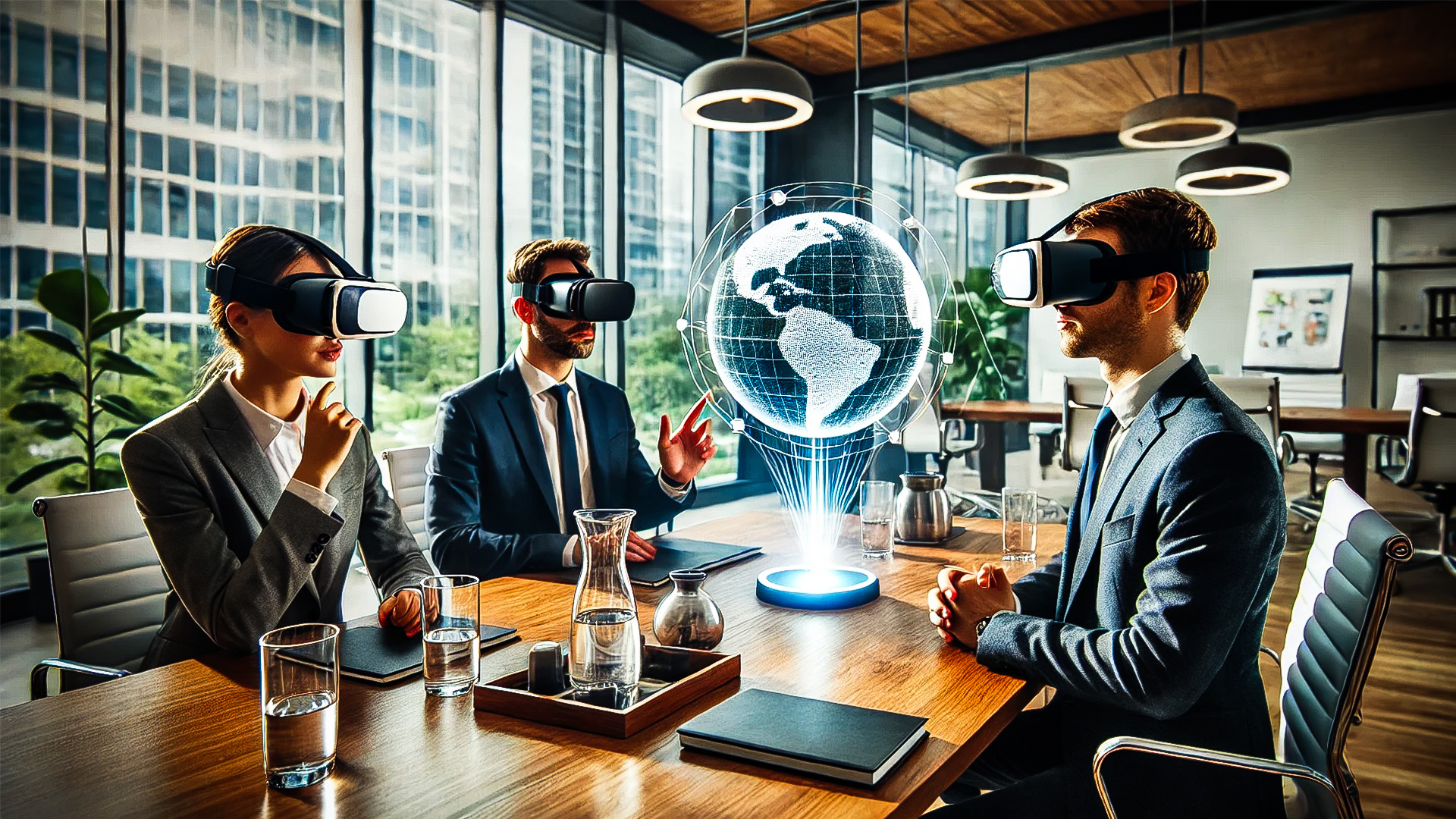
The Future Of Vr In Corporate Team Building