

The Modern History of Virtual Reality
Virtual Reality (VR) has come a long way from its conceptual roots to becoming a transformative technology in various sectors. Originally...
Virtual Reality (VR) has come a long way from its conceptual roots to becoming a transformative technology in various sectors. Originally envisioned as a means to create immersive environments, VR has grown to offer profound applications that go far beyond entertainment. The journey of VR from rudimentary prototypes to sophisticated, high-tech systems illustrates a remarkable evolution driven by technological advancements and creative innovations.
The 2000s: Laying the Foundation
Significant advancements in computing power and graphics technology in the early 2000s were pivotal for VR development. University research labs and government projects played a crucial role in advancing VR technology. The Virtual Reality Applications Center (VRAC) at Iowa State University, for example, developed state-of-the-art VR technologies for applications ranging from military training to medical simulations. The VRAC's C6, a six-sided cave automatic virtual environment (CAVE), provided an immersive, room-sized VR experience that could be used for complex simulations and data visualization. This immersive environment allowed for real-time interaction and provided a high level of detail and realism, making it invaluable for research and training purposes.
During this period, advancements in graphics processing units (GPUs) and motion tracking technologies significantly improved the quality and realism of VR environments. GPUs became more powerful, enabling the rendering of complex, high-definition graphics that enhanced the immersive experience. Motion tracking technologies, such as those used in the Nintendo Wii and Microsoft Kinect, allowed for more accurate and responsive user interactions within virtual environments. These technologies made VR more viable and appealing for a variety of applications, including gaming, training, and simulations.
The introduction of stereoscopic 3D and high-definition displays further enhanced the immersive experience, providing a more realistic and engaging visual representation of virtual worlds. Stereoscopic 3D technology created the illusion of depth, making virtual environments more lifelike and immersive. High-definition displays offered clearer and more detailed visuals, improving the overall user experience. These advancements helped establish a strong foundation for the next wave of VR innovations that would emerge in the following decade.
The early 2000s saw the development of more sophisticated software tools and platforms that facilitated the creation and deployment of VR content. Middleware and development kits became more accessible, allowing developers to experiment with and refine VR applications. These tools streamlined the process of building virtual environments, making it easier for researchers, educators, and developers to explore the potential of VR.
The combination of improved hardware, software, and academic research during this era laid the groundwork for the rapid advancements in VR technology that followed. The foundational technologies and methodologies established in the 2000s continue to influence the development and application of VR today.

The VR Renaissance: 2010s
The 2010s marked a renaissance for VR, driven by several key innovations and industry developments. In 2012, Palmer Luckey launched a Kickstarter campaign for the Oculus Rift, a VR headset that promised high-quality, affordable virtual reality experiences. The campaign was a massive success, raising nearly $2.5 million and capturing the attention of major technology companies. Facebook's acquisition of Oculus VR for $2 billion in 2014 signaled a new era for VR, with substantial investments and interest from the tech industry.
Around the same time, other tech giants entered the VR market. HTC and Valve collaborated on the HTC Vive, which featured room-scale tracking and handheld controllers for a more immersive experience. The Vive's lighthouse tracking system allowed users to move freely within a virtual space, enhancing the sense of presence and immersion. Sony launched the PlayStation VR, bringing VR to the console gaming market and making it more accessible to a wider audience. These headsets helped bring VR to mainstream consumers, providing immersive gaming and entertainment experiences and showcasing the potential of VR beyond niche applications.
The Oculus Rift, HTC Vive, and PlayStation VR were not just technological advancements but also key players in fostering a growing ecosystem of VR content. The development of VR-specific games, applications, and experiences expanded rapidly, fueled by dedicated VR content platforms such as Oculus Home, SteamVR, and PlayStation Store. This growing library of content made VR more appealing and valuable to consumers and developers alike, creating a virtuous cycle of adoption and innovation.
In addition to gaming, VR found applications in various other fields during the 2010s. Industries such as healthcare, education, real estate, and tourism began to explore the potential of VR for training, simulation, and immersive experiences. For instance, medical professionals used VR for surgical simulations and patient treatment plans, while educators employed VR to create interactive and engaging learning environments. Real estate agents offered virtual tours of properties, allowing potential buyers to explore homes remotely. Tourism companies used VR to provide virtual travel experiences, giving users a taste of destinations before booking a trip.
The rise of VR was complemented by advancements in augmented reality (AR) technologies. AR and VR together formed the basis of the broader extended reality (XR) landscape, opening new possibilities for hybrid applications that blended the physical and virtual worlds. The integration of AR and VR technologies promised to revolutionize how people interacted with digital information and their physical surroundings.
By the end of the decade, VR had evolved from a niche technology into a mainstream phenomenon, with a growing community of users, developers, and enthusiasts. The foundational work done in the 2010s set the stage for continued advancements in VR technology and its applications, promising an exciting future for virtual reality in the decades to come.

Expanding Horizons: 2020s and Beyond
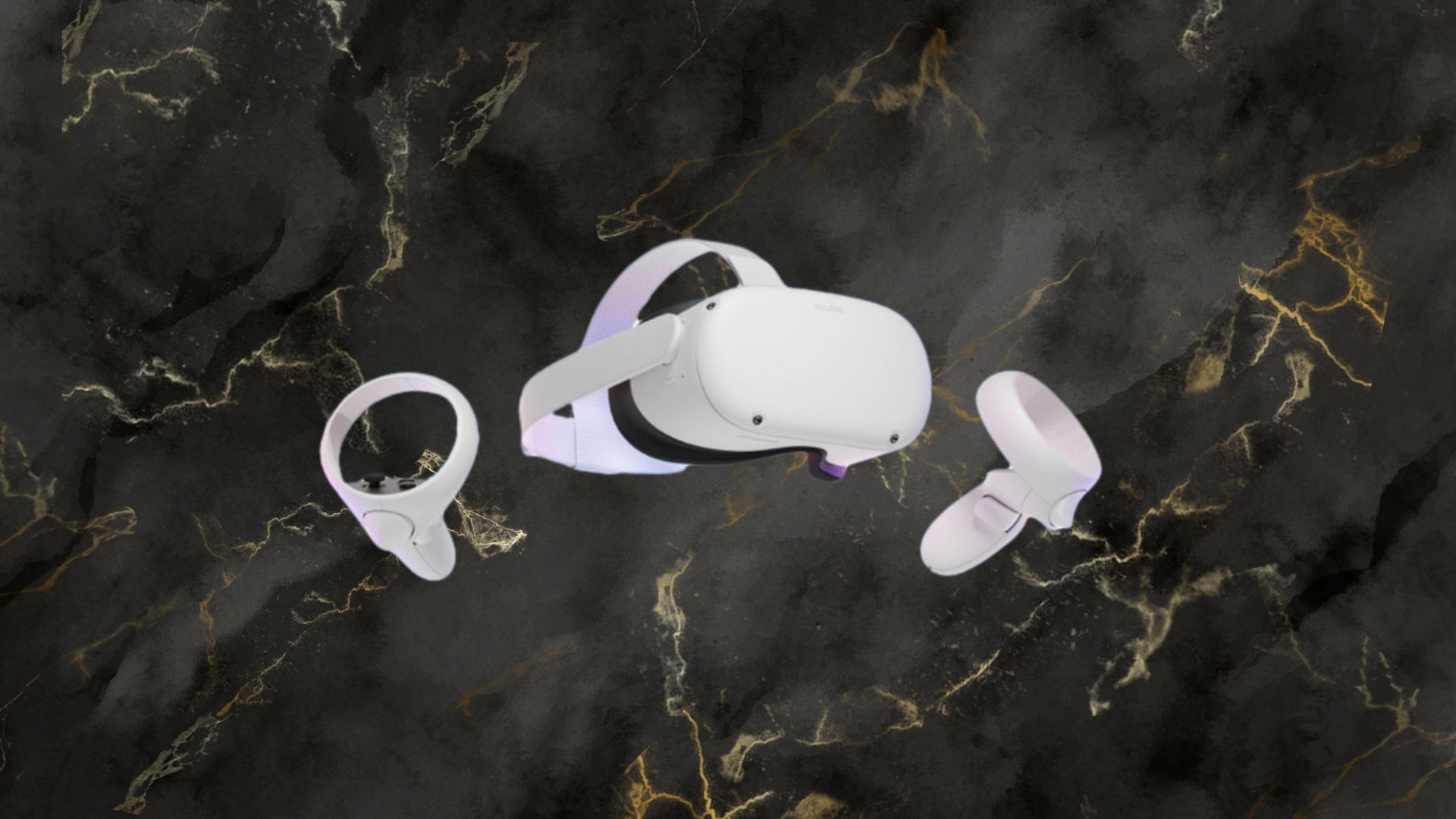
In recent years, VR has expanded beyond gaming and entertainment into various sectors, including education, healthcare, and business. The COVID-19 pandemic accelerated the adoption of VR for remote work, virtual events, and online education. Standalone VR headsets, such as the Oculus Quest series, have made VR more accessible and convenient by eliminating the need for a powerful PC or external sensors. These headsets feature inside-out tracking, built-in processors, and wireless capabilities, allowing users to enjoy VR experiences without being tethered to a computer.
Healthcare professionals use VR for surgical training, pain management, and therapy. VR simulations provide a safe and controlled environment for surgeons to practice complex procedures, improving their skills and reducing the risk of errors. In pain management, VR has been shown to distract patients during painful procedures and reduce the perception of pain. Therapeutic applications of VR include exposure therapy for phobias, PTSD treatment, and rehabilitation for stroke patients. VR's ability to create controlled and repeatable environments makes it an invaluable tool for medical training and patient care.
In education, VR provides immersive learning experiences, allowing students to explore historical sites, conduct virtual science experiments, and interact with complex 3D models. Virtual field trips can transport students to distant locations, historical events, or even inside the human body, making learning more engaging and interactive. Businesses leverage VR for virtual meetings, collaborative design, and training simulations. Virtual meetings allow remote teams to collaborate in a shared virtual space, enhancing communication and teamwork. VR design tools enable architects, engineers, and designers to create and visualize their projects in a 3D environment, improving accuracy and efficiency.
The rise of the metaverse concept in the 2020s has pushed VR into the mainstream consciousness. The metaverse is envisioned as a collective virtual shared space, created by the convergence of virtually enhanced physical reality and physically persistent virtual reality. This expansive virtual world aims to facilitate a range of human activities including social interactions, work, play, and commerce. Companies like Meta (formerly Facebook), Google, and Microsoft are heavily investing in metaverse technologies, indicating a future where VR and AR play a central role in our digital lives.
The advancements in VR hardware have been matched by improvements in software and content creation tools. High-resolution displays, increased field of view, and enhanced ergonomics have made VR experiences more comfortable and visually stunning. Realistic avatars, haptic feedback, and spatial audio contribute to the sense of presence and immersion. Development platforms like Unity and Unreal Engine have simplified the process of creating VR content, enabling more developers to explore the medium.
The entertainment industry continues to explore innovative VR applications, from immersive cinema and virtual concerts to interactive experiences that blend gaming with narrative storytelling. Theme parks and attractions are incorporating VR to enhance rides and exhibits, creating unique and memorable experiences for visitors.
Looking ahead, the integration of artificial intelligence (AI) and machine learning with VR promises to unlock new possibilities. AI can create more responsive and adaptive virtual environments, personalize user experiences, and enhance the realism of virtual characters. Machine learning algorithms can improve motion tracking, gesture recognition, and predictive modeling, making VR interactions more intuitive and seamless.
As VR technology continues to evolve, its potential applications will expand, touching every aspect of our lives. The 2020s are set to be a transformative decade for VR, as it moves from a niche technology to a present tool for communication, education, healthcare, business, and entertainment. The ongoing advancements and increasing accessibility of VR will shape the way we interact with the digital and physical worlds, offering new opportunities for innovation and connection.
The Future of VR
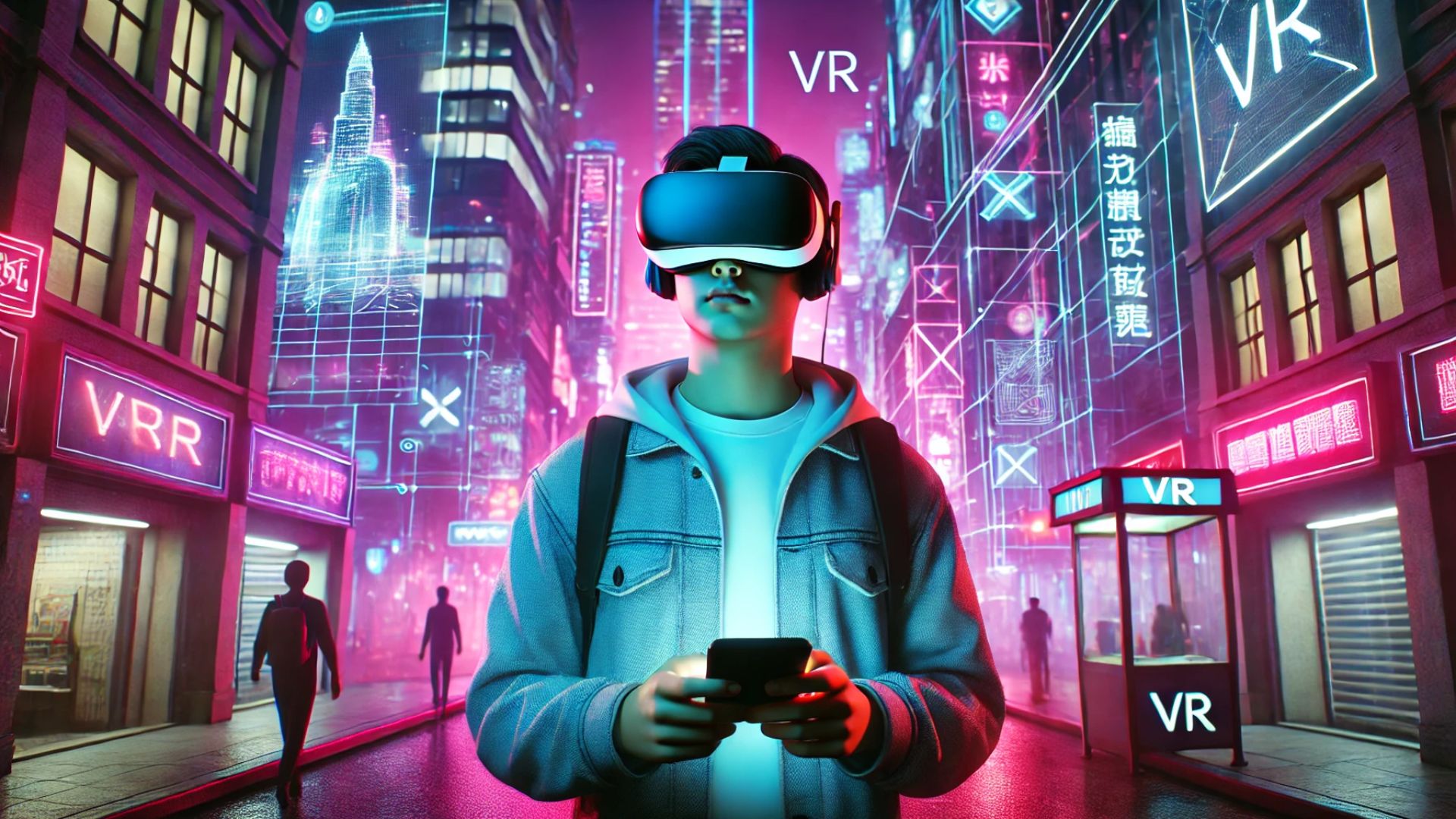
The future of VR looks promising, with continuous advancements in technology and growing applications across various industries. Improvements in display technology, haptic feedback, and artificial intelligence will enhance the realism and interactivity of virtual experiences. Next-generation displays, such as micro-LED and light field displays, will offer higher resolutions and better color accuracy, making virtual environments more lifelike. Advanced haptic feedback systems will provide more realistic sensations of touch, further immersing users in the virtual world. AI-powered virtual assistants and avatars will enhance user interactions, making VR experiences more intuitive and personalized.
As VR becomes more integrated into everyday life, it has the potential to revolutionize how we work, learn, and play. Mixed reality (MR) and augmented reality (AR) technologies will likely converge with VR, creating seamless experiences that blend the physical and virtual worlds. This convergence will enable new applications in areas such as telemedicine, remote collaboration, and interactive entertainment.
The modern history of virtual reality is a fascinating journey of innovation and discovery. From early prototypes to sophisticated systems, VR has evolved into a powerful tool with limitless possibilities. As technology continues to advance, the impact of VR on our lives will undoubtedly grow, opening up new realms of experience and opportunity.
The Future of Virtual Reality
Author: Elisha Roodt
Virtual Realities shares practical guidance on 360° virtual tours, VR walkthroughs, and PropTech trends shaping South Africa's property market.